
+98 21 77334133
Contact Us

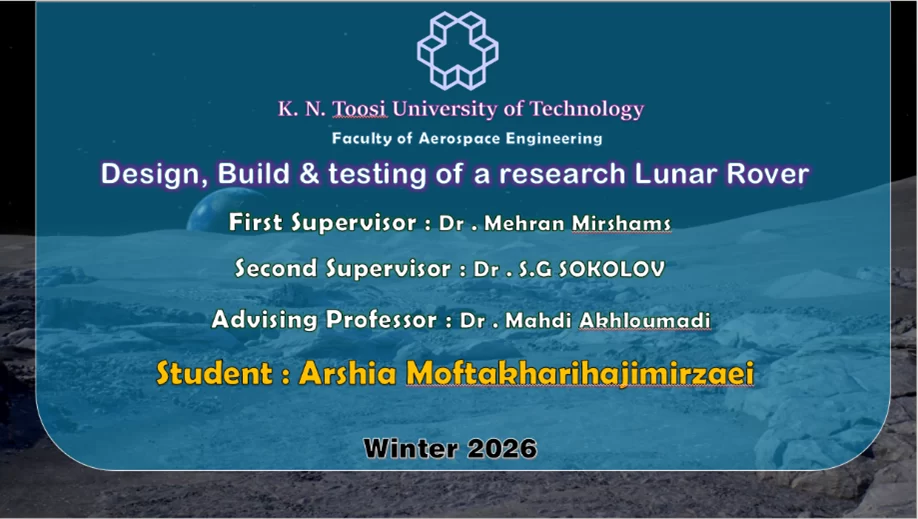
Master’s Thesis Defense on the Design, build, and Testing of a Research Lunar Rover

The master’s thesis defense of Arshia Moftakhari, entitled “Design, build, and Test of a Research Lunar Rover,” was successfully held at the Space Research Laboratory on Wednesday, February 18.

This thesis was conducted under the supervision of Dr. Mirshams and Dr. Sokolov, with advisory support from Dr. Akhloumadi. The research examines the engineering design process, the construction of a laboratory prototype, and the execution of field tests for a research lunar rover. It aims to practically evaluate key challenges of robotic lunar surface missions, including mobility, stability, control system performance, and the capability to carry out scientific experiments.

The thesis was Evaluated by Dr. Nikkhah and Dr. Jafari, who, in addition to their scientific and technical evaluation, emphasized the practical aspects and the potential for further development of the research outcomes.

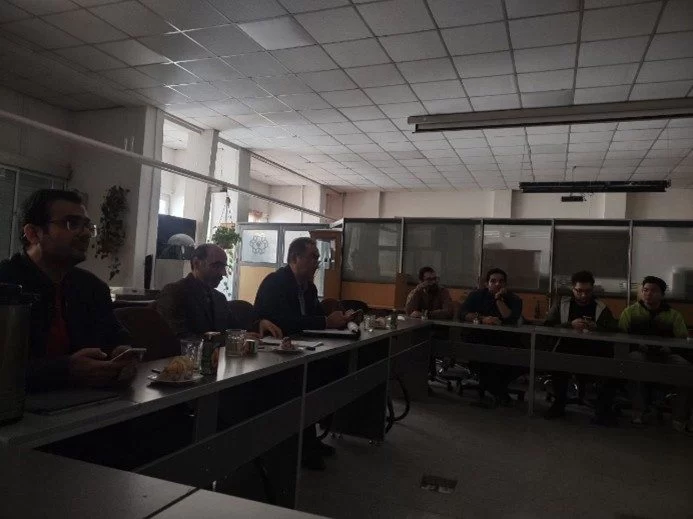
At the conclusion of the session, the thesis defense was successfully completed, and the designed tests for the research lunar rover were carried out successfully as well. The session was held in the presence of the supervisors, advisor, and examiners, and the presentation, review, and practical testing processes were completed according to the planned schedule.
 

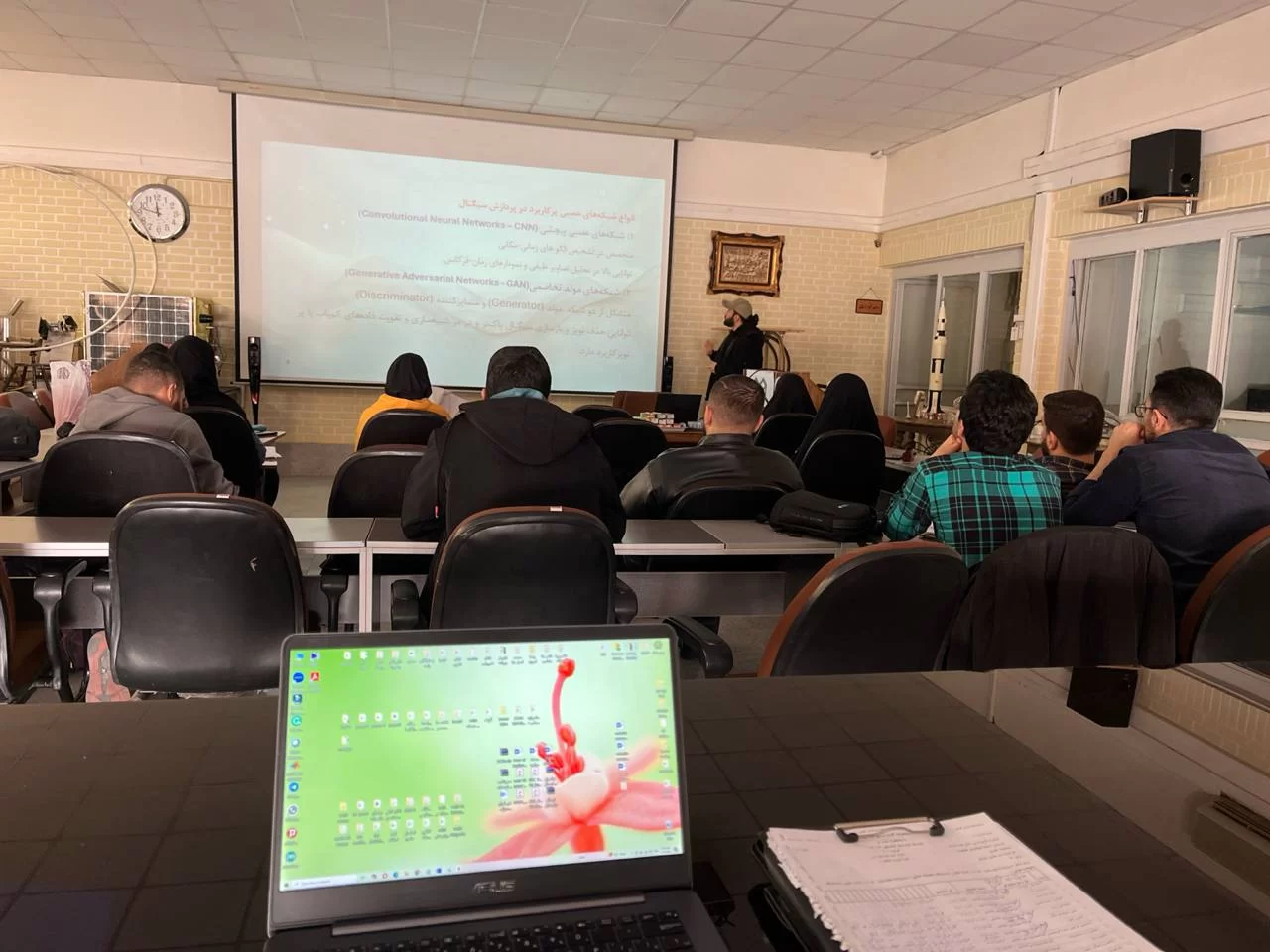
Students have a great time at Space Research Laboratory!

Within the framework of the System Design II course, a series of hands-on activities were successfully carried out with the aim of designing, building, and upgrading an educational CubeSat. These activities were developed with a fully engineering-oriented and system-level approach, addressing the analysis and implementation of key satellite subsystems.

In the power supply section, a light direction detection activity was designed and implemented to determine the optimal direction of incident light for charging the CubeSat through its solar panels. In this process, ambient light intensity was measured in multiple directions using light sensors, and an algorithm was developed to estimate the direction of maximum light intensity. This approach enables more efficient energy harvesting by optimally orienting the CubeSat toward the light source and improving the effectiveness of solar panel charging.

Overall, these activities represent a significant step toward providing students with practical experience in space system design, subsystem integration, and solving real-world engineering challenges related to CubeSats. Moreover, they establish a solid foundation for the development of more advanced CubeSat projects in the future.


SRL again has a NEW international contribution and APSCO supports It,

SRL again has a NEW international contribution and APSCO supports It,

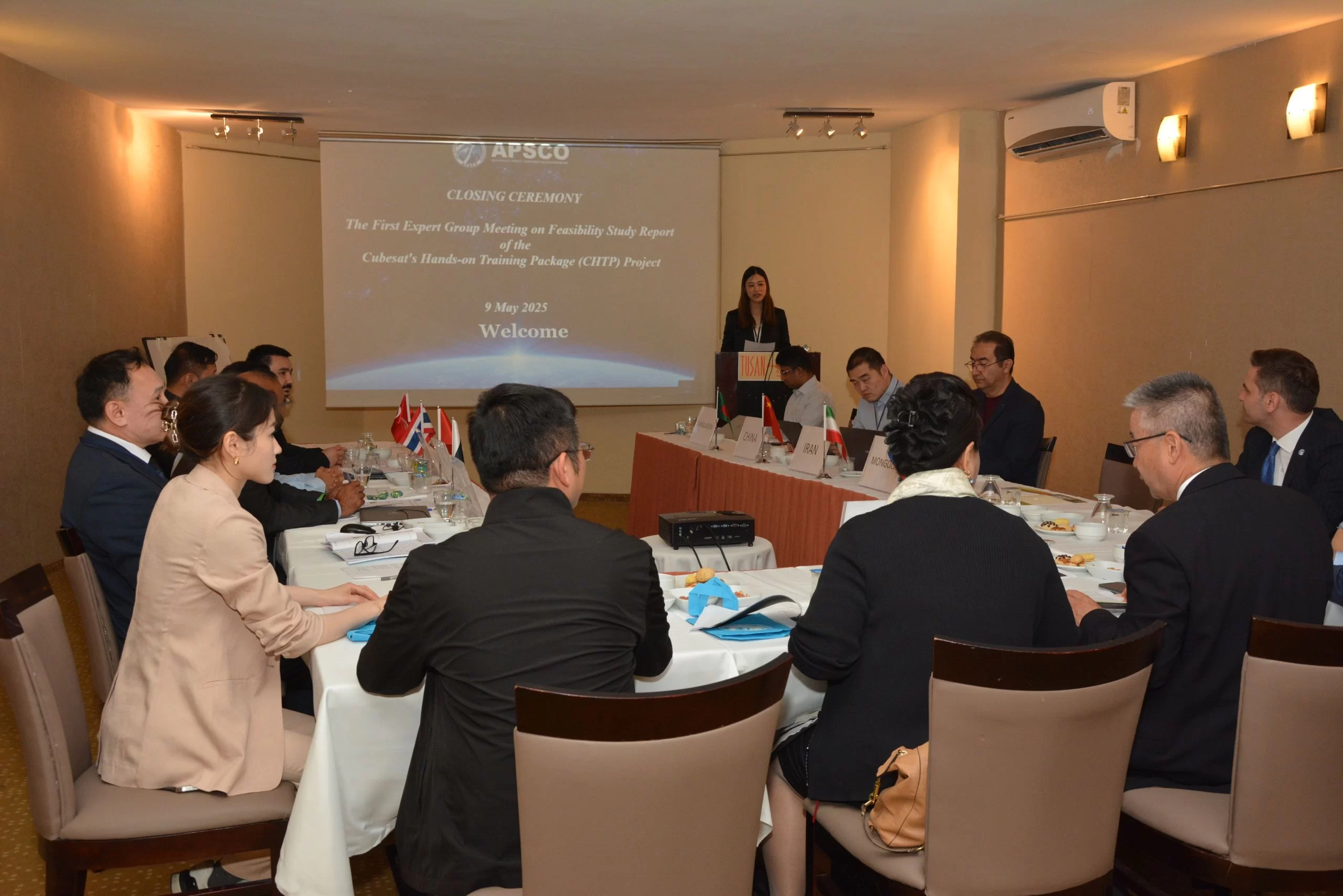
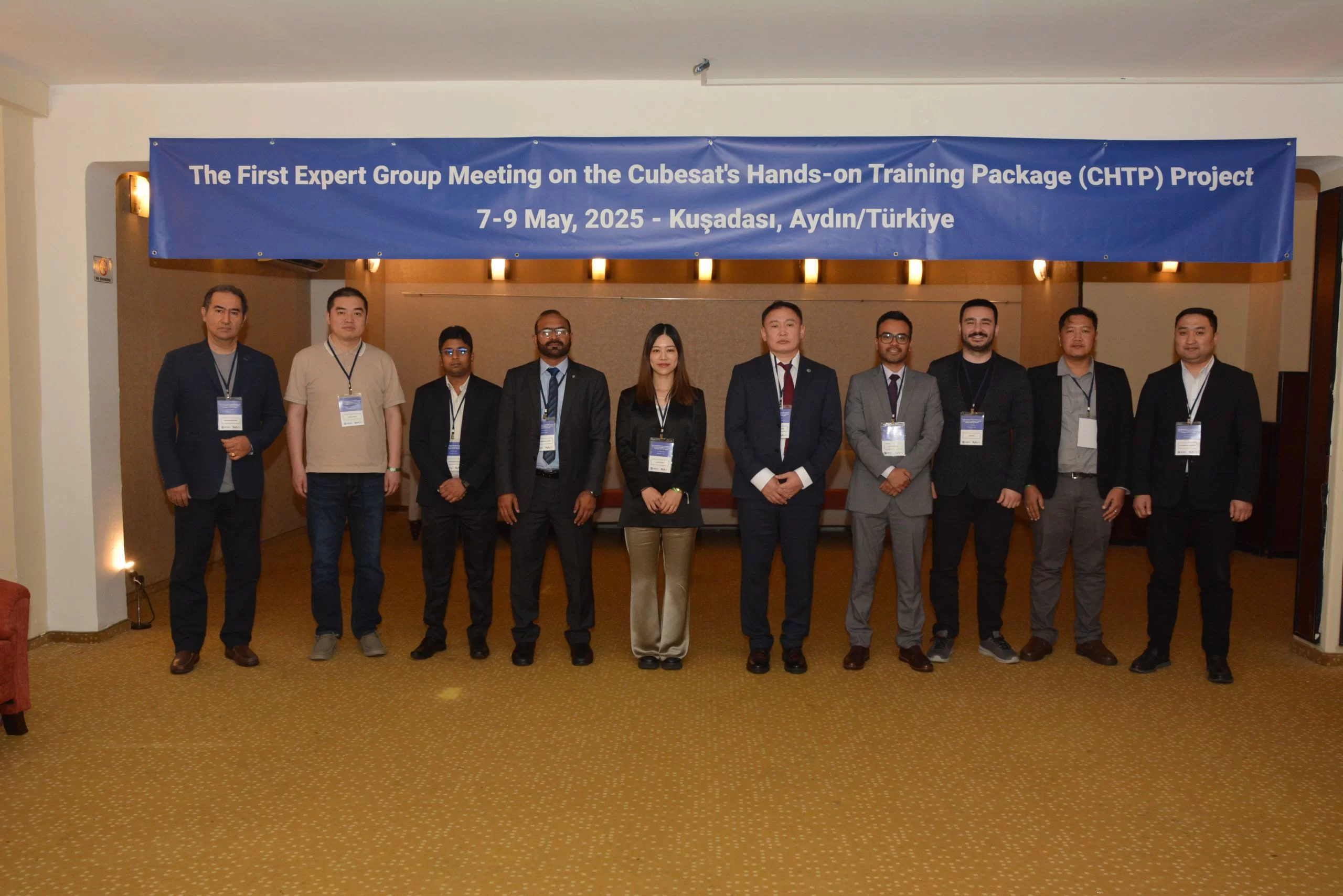
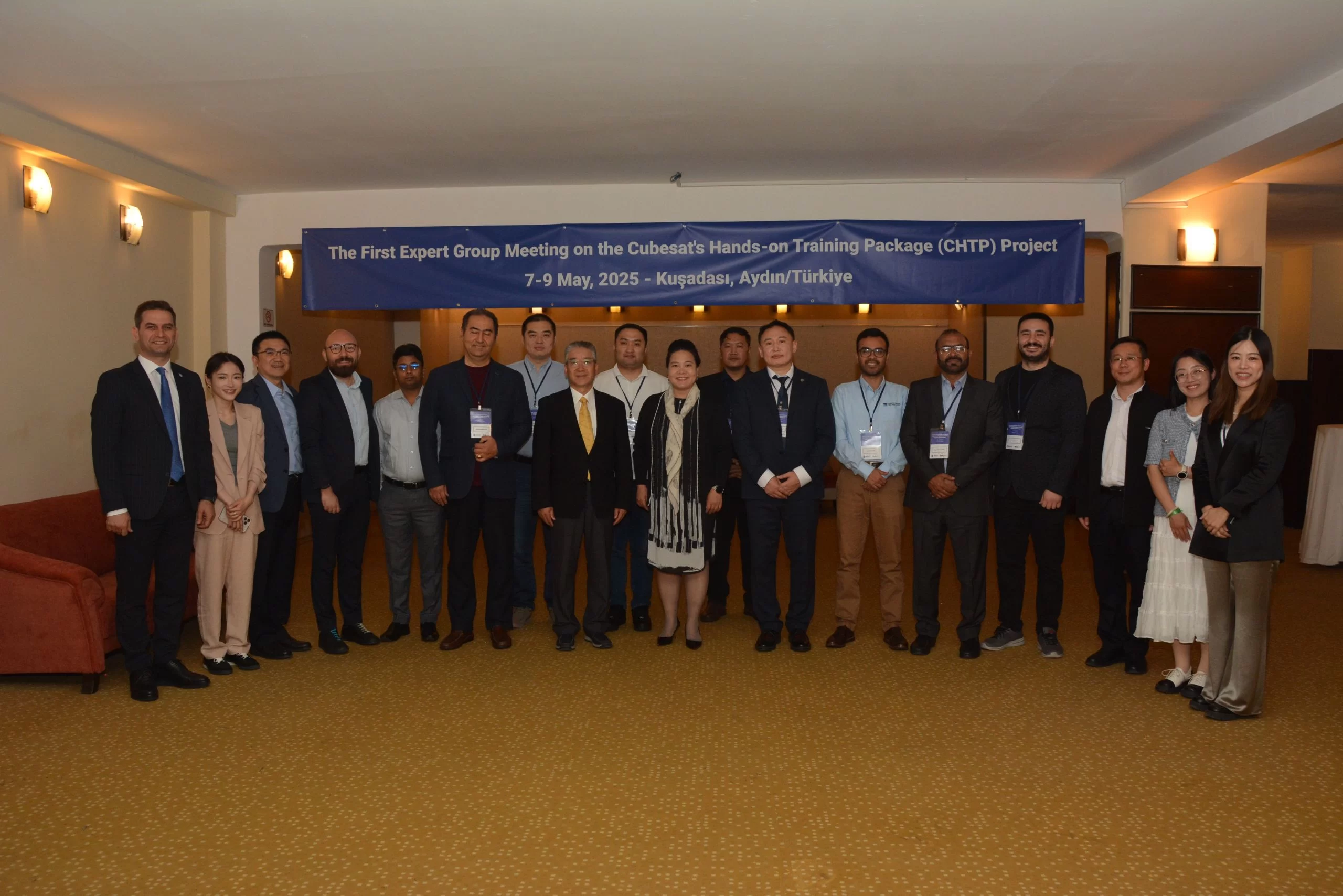
The first Expert Group Meeting on the feasibility study report of the CubeSat’s Hands-on Training Package (CHTP) project was held during 7-9 May,2025 in Türkiye. Delegates from all Member States (MS) of APSCO participated in the meeting.

APSCO CEO Dr. Jiang Hui expressed her strong emphasis, encouragement, and gratitude toward this CHTP project. Her gratitude extended to Space Research Lab. of K.N.Toosi University of Technology and to all participants for their hard work on CHTP feasibility study report.

Visit academic team from Uzbekistan

Visit academic team from Uzbekistan 🇺🇿!!

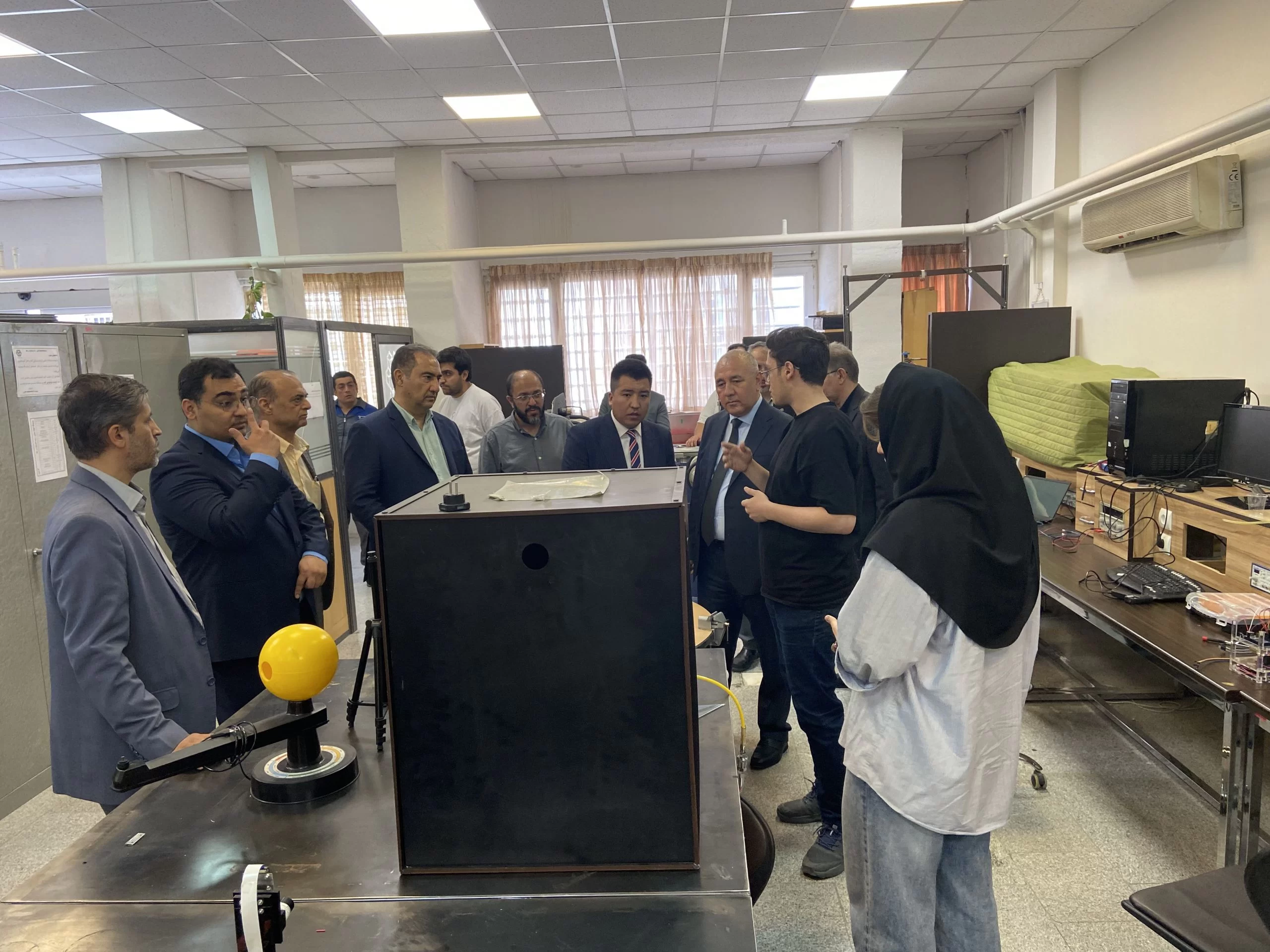
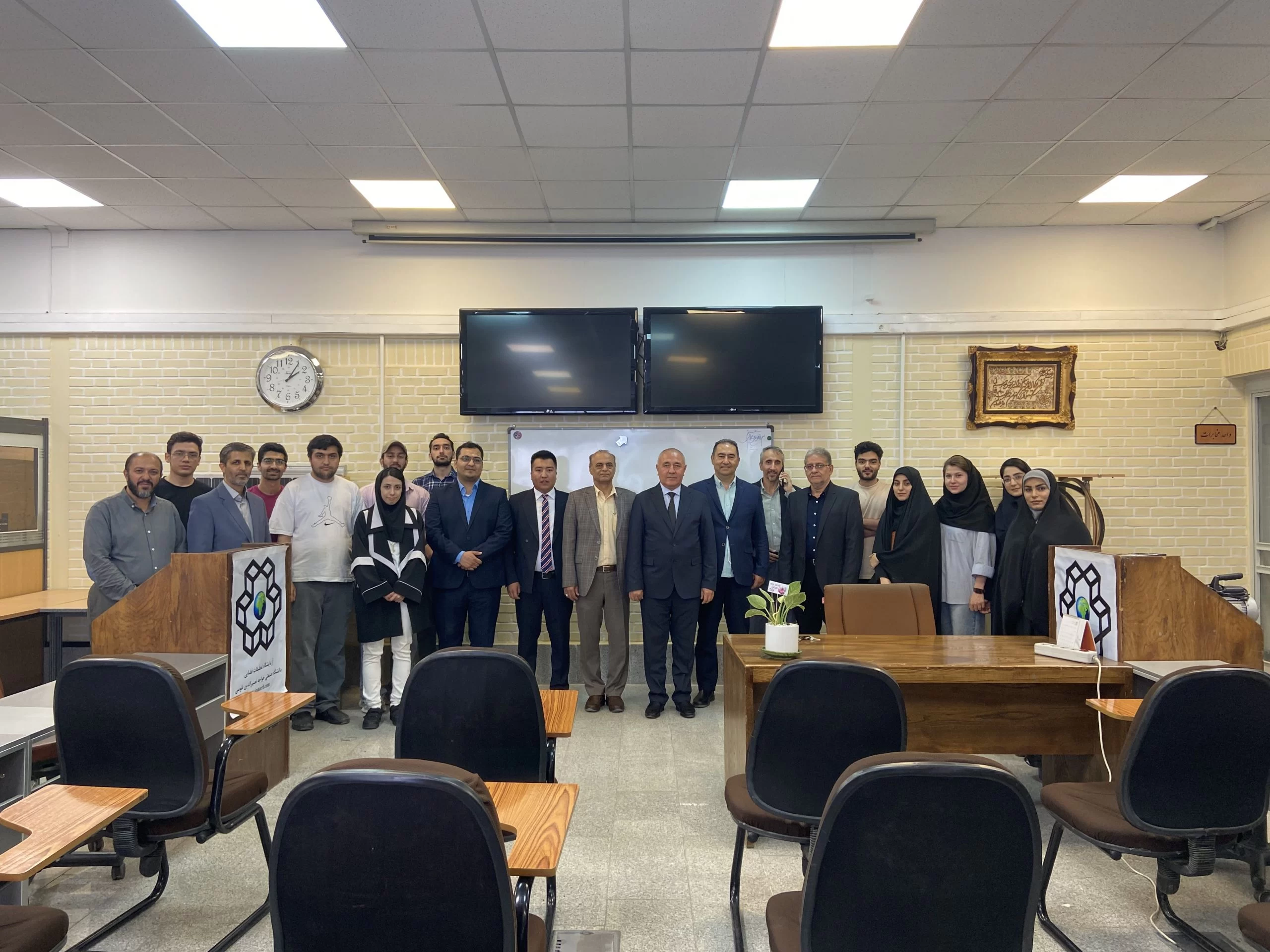
Space Research Lab, has been visited by the vice president of Jeezakh University and his team. On going research works have been presented and ways of doing joint research and educational collaborations between the two universities have been discussed. Looking forward to visiting our colleagues and students from Uzbekistan here in our lab.✌🏼

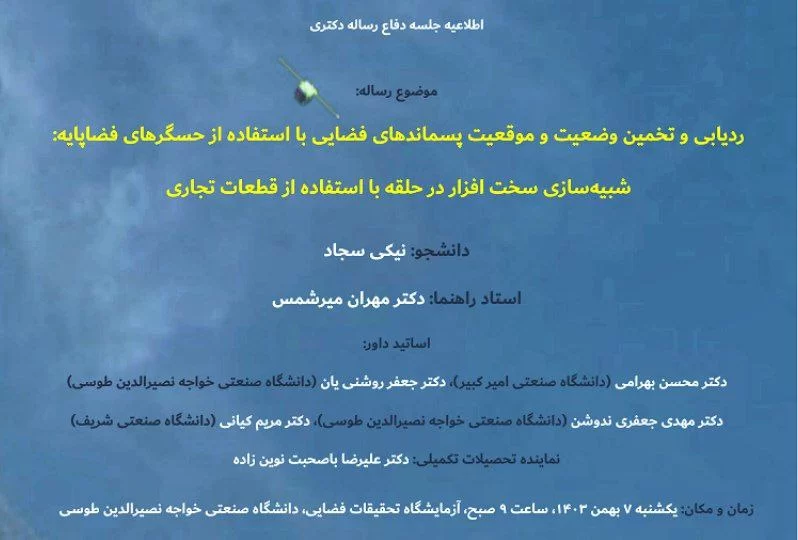
A Thesis Defense Session for PhD/Niki Sajjad

Title: Space Debris Tracking and Pose Estimation using Spaceborne Sensors: HIL Simulation with COTS

By Niki Sajjad
Supervisor: Dr. Mehran Mirshams
Chairmen: Dr. Mohsen Bahrami (Amirkabir University of Technology), Dr. Jafar Roshanian (K. N. Toosi University of Technology)
January 26, 2025

Final meeting with the Students for first term of 2024-2025 educational year

Final meeting with the Students for first term of 2024-2025 educational year.

In this meeting students present their own thoughts on their research findings in different space environments topics.

Jupiter’s moons and subsequent intellectual evolution of human civilization

The article about “Jupiter’s moons and subsequent intellectual evolution of human civilization” posted on the “Selected Notes” section of website.

Jupiter’s moons and subsequent intellectual evolution in human civilization

Nuclear engines in space launchers

The article about “Nuclear engines in space launchers” posted on the “Selected Notes” section of website.

Nuclear engines in space launchers

Solar Telescope

The article about “Solar Telescope” posted on the “Selected Notes” section of website.

Solar Telescope

Standard Model of Fundamental Particles in Physics

The article about “Standard model of fundamental particles in physics” posted on the “Selected Notes” section of website.