

The article about “The theory of everything and four fundamental forces of nature” posted on the “Selected Notes” section of website.
the theory of everything and four fundamental forces of nature
The article about “The theory of everything and four fundamental forces of nature” posted on the “Selected Notes” section of website.
the theory of everything and four fundamental forces of nature
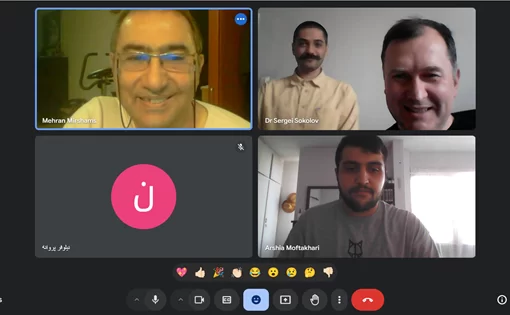
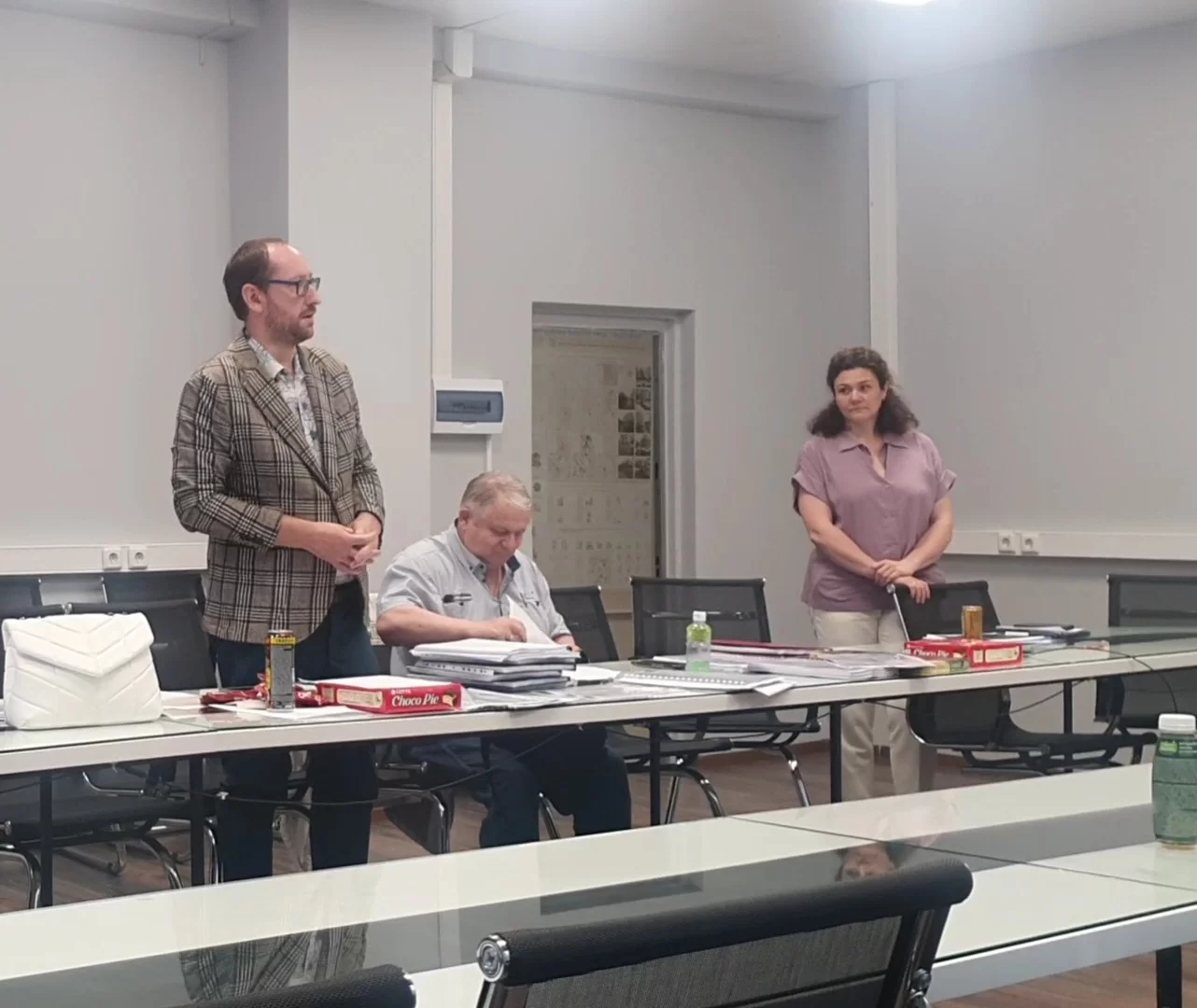
An online coordination meeting was recently held via Google Meet to discuss the progress of Arshia Moftakhari’s master’s thesis on the conceptual design of a lunar rover at Khajeh Nasir Toosi University of Technology. The meeting included Dr. Mehran Mirshams, the thesis supervisor, as well as Dr. Akhlumadi, Dr. Sokolov, and Mrs. Parvaneh. The primary goal of the session was to foster collaboration and ensure alignment with Dr. Akhlumadi and Dr. Sokolov, who were newly introduced to the project.
Arshia presented the rover’s conceptual design, focusing on the control system based on image processing techniques. The participants engaged in an open discussion about several challenges, highlighting areas where improvements are needed. Specific flaws in the design and control system were pointed out, including issues with precision and integration, which will be addressed in future revisions.
The group also discussed how to improve coordination moving forward to streamline the design process. Dr. Akhlumadi and Dr. Sokolov offered insights into how specific aspects of the design could be enhanced, and their input will be incorporated in the next phase of development.
While the presentation acknowledged the project’s current limitations, the meeting was productive in setting a clear path for addressing the challenges. The feedback and collaboration initiated during this session are expected to strengthen the thesis, contributing to the ongoing development of the lunar rover’s conceptual design.
This project, titled “One-Axis Attitude Control of a Satellite with a Two-Degree-of-Freedom Solar Tracker,” was conducted by Issa Sepahvand, a PhD student in Aerospace Engineering, as part of the “Spacecraft System Design” course in 2021. In this project, assuming a hypothetical Earth and Sun, the satellite’s solar panels are initially oriented towards the Sun using two servo motors, thereby determining the satellite’s attitude relative to Earth. Then the reaction wheel provides the necessary torque to rotate the satellite body towards the Earth, according to the determined position relative to the Earth. Furthermore, after the satellite is oriented towards the Earth, the solar panels must still be oriented towards the Sun. Once the reaction wheel is activated, the system becomes resistant to a specified level of external disturbances.
The main purpose is providing IoT service for users to connect any devices and objects to some sensors and actuators to make them smart by Internet or frequencies, allowing them to collect and share information, and to be remotely monitored and controlled. With this service companies can provide some useful services like 1. Connected Roadways 2. Connected Factory 3. Smart Connected Buildings 4. Smart Creatures.
In the other word, the task should be simulating and modeling of a set of satellites named CubeSat constellation to help companies, firms, business, industries to providing a set of applications in manufacturing, oil and gas, utilities, smart and connected cities, transportation, mining, public safety by IoT services.
•CubeSat is a cubic small satellite with 10cm width, height, length as a one unit
•CubeSat constellation is a set of CubeSats that constellation includes 2 or more CubeSats working with each other around the Earth.
•Simulation is an imitative representation of a process or system that could exist in the real world in the other word, a process to modeling a digital presentation
•IoT is Internet of Things it means that connect to unconnected things to make an object or a device smart.
It is included 6 chapters in 3 sections, Conclusion and Appendices. The basic of work is designing orbits according to the main mission then designing CubeSat constellation due to the boundary and primary conditions.
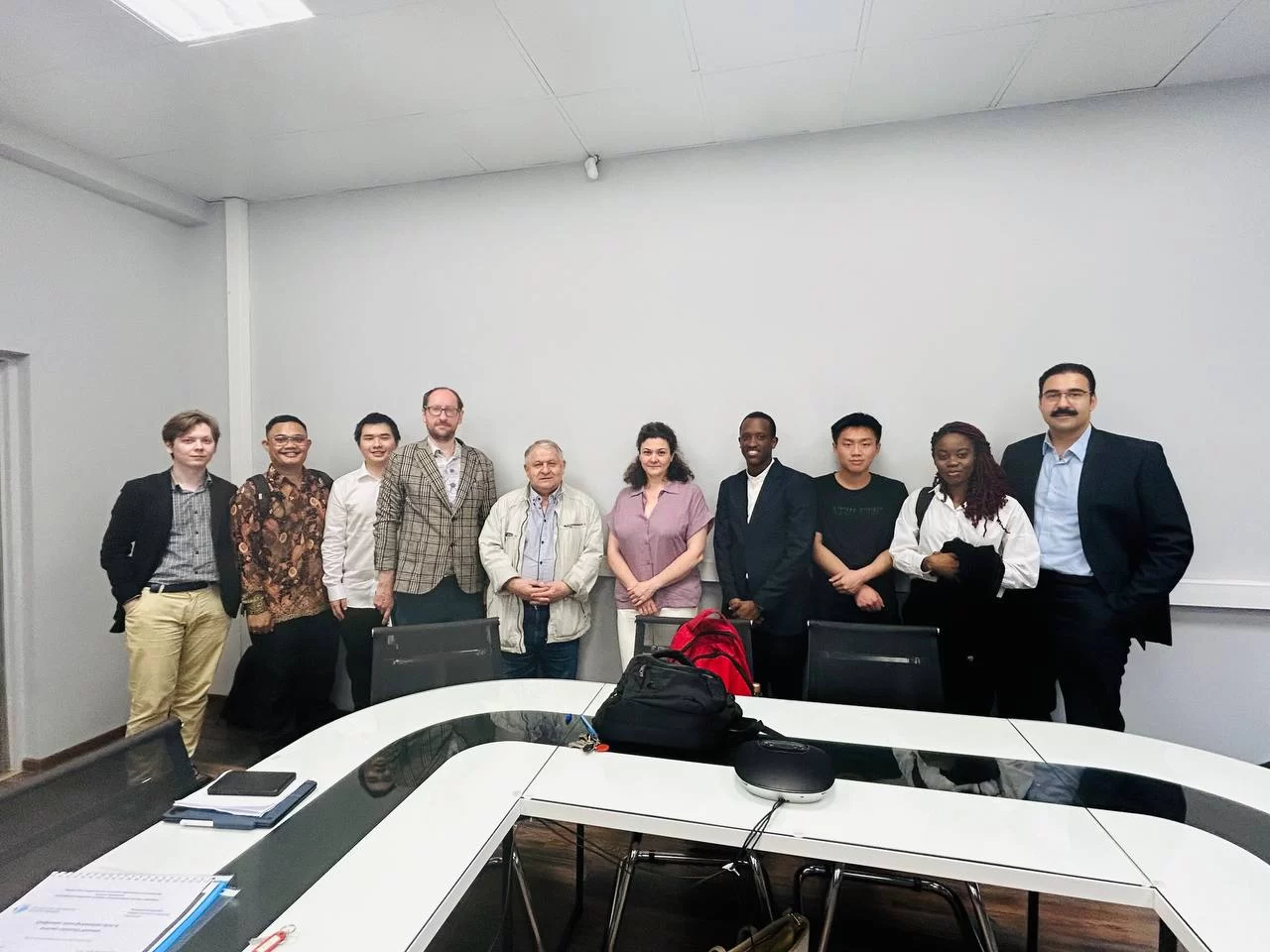
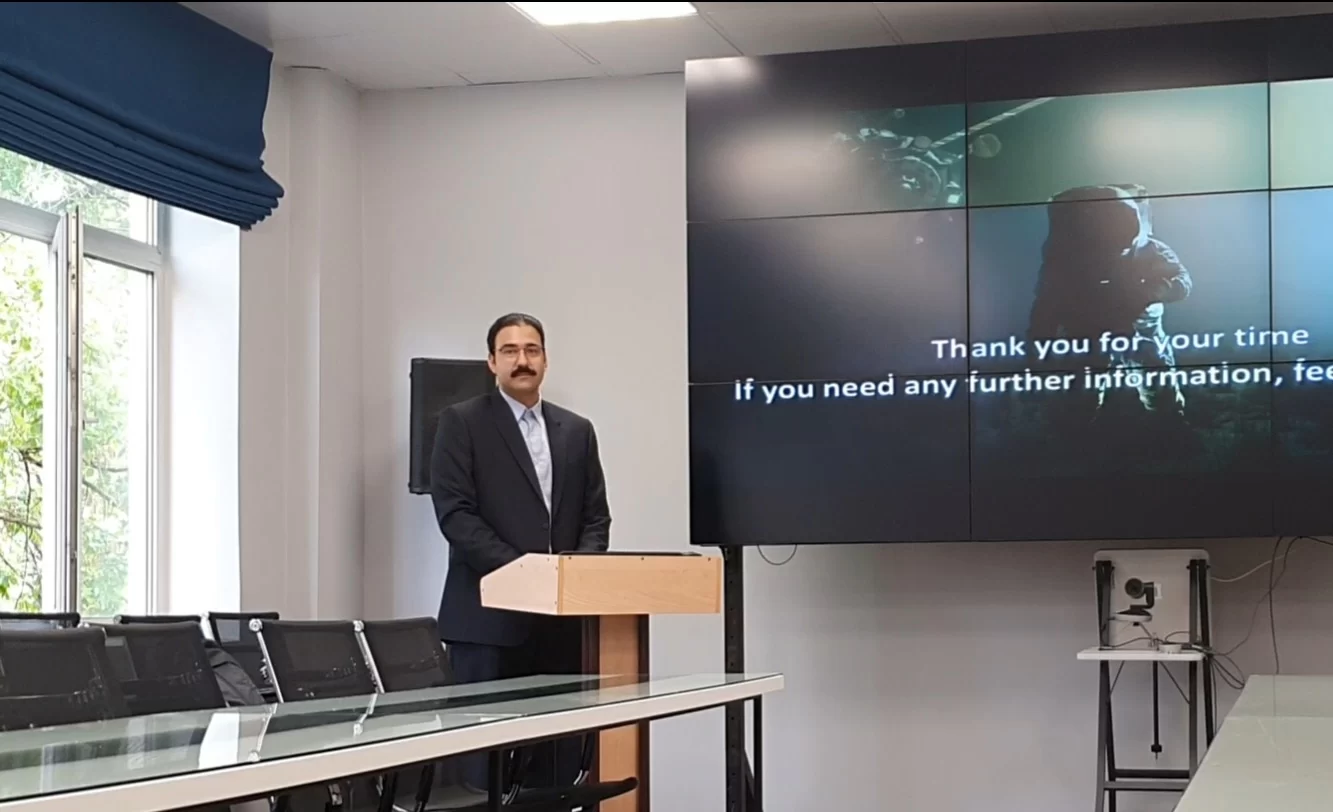
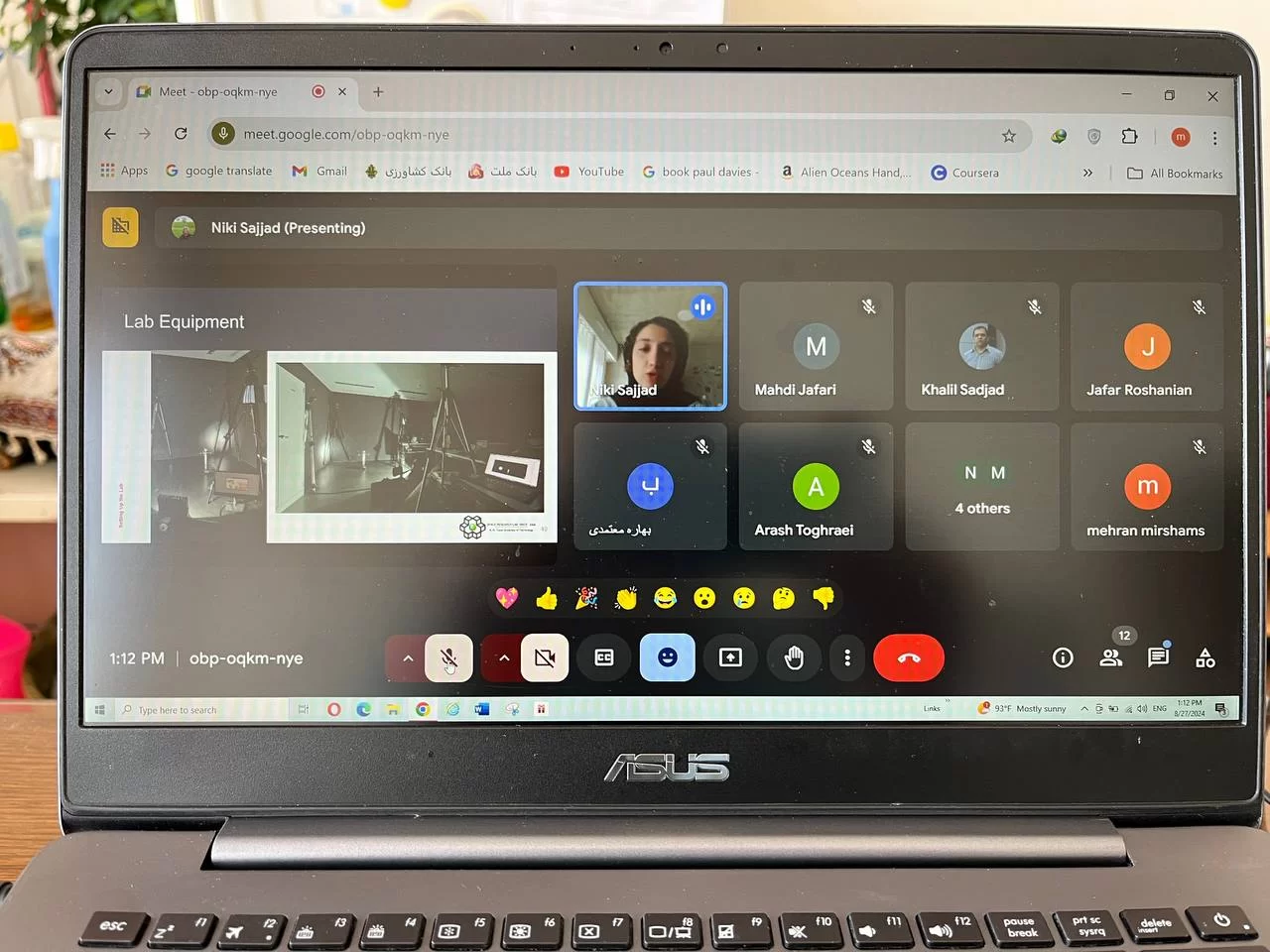
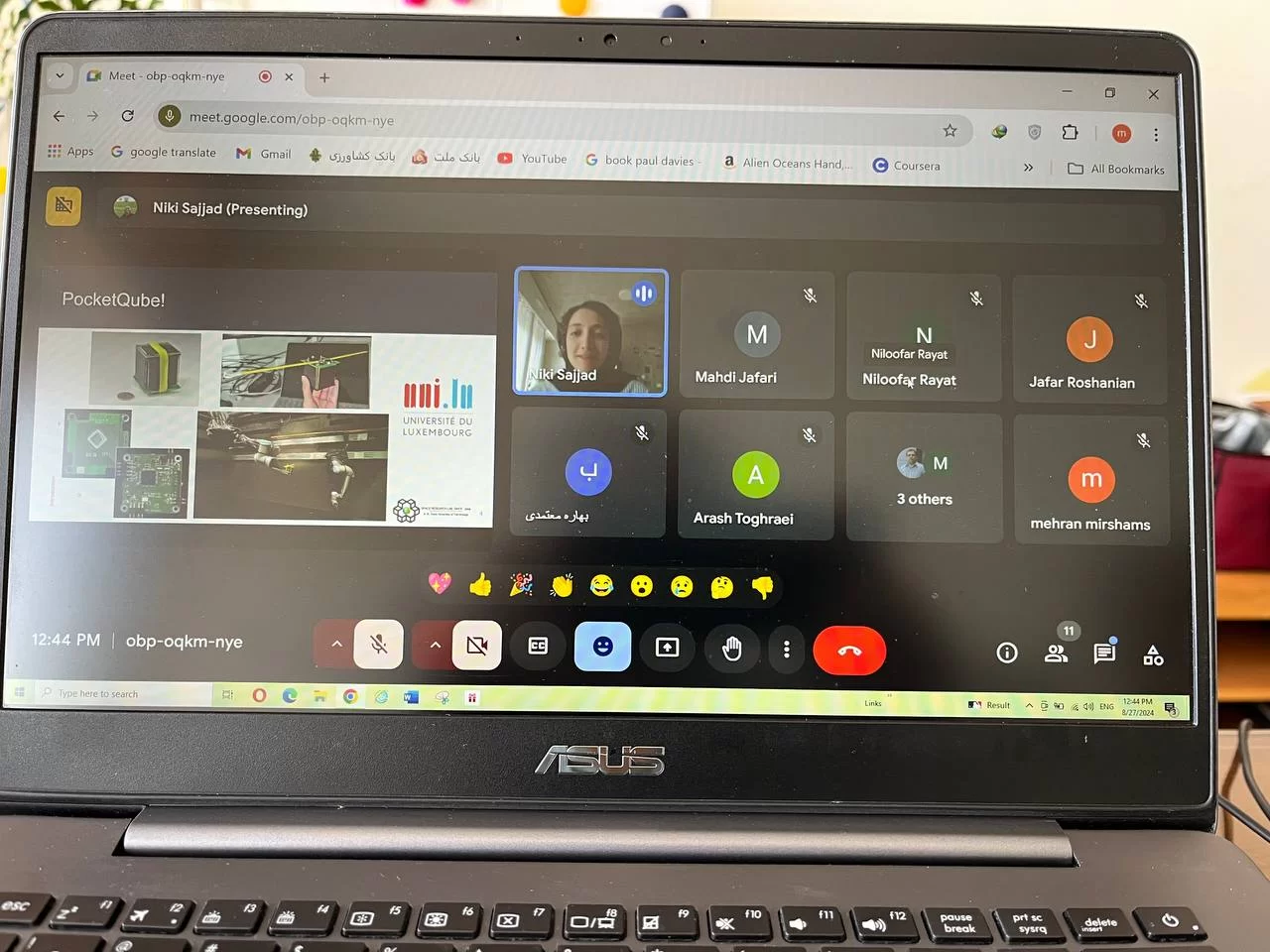
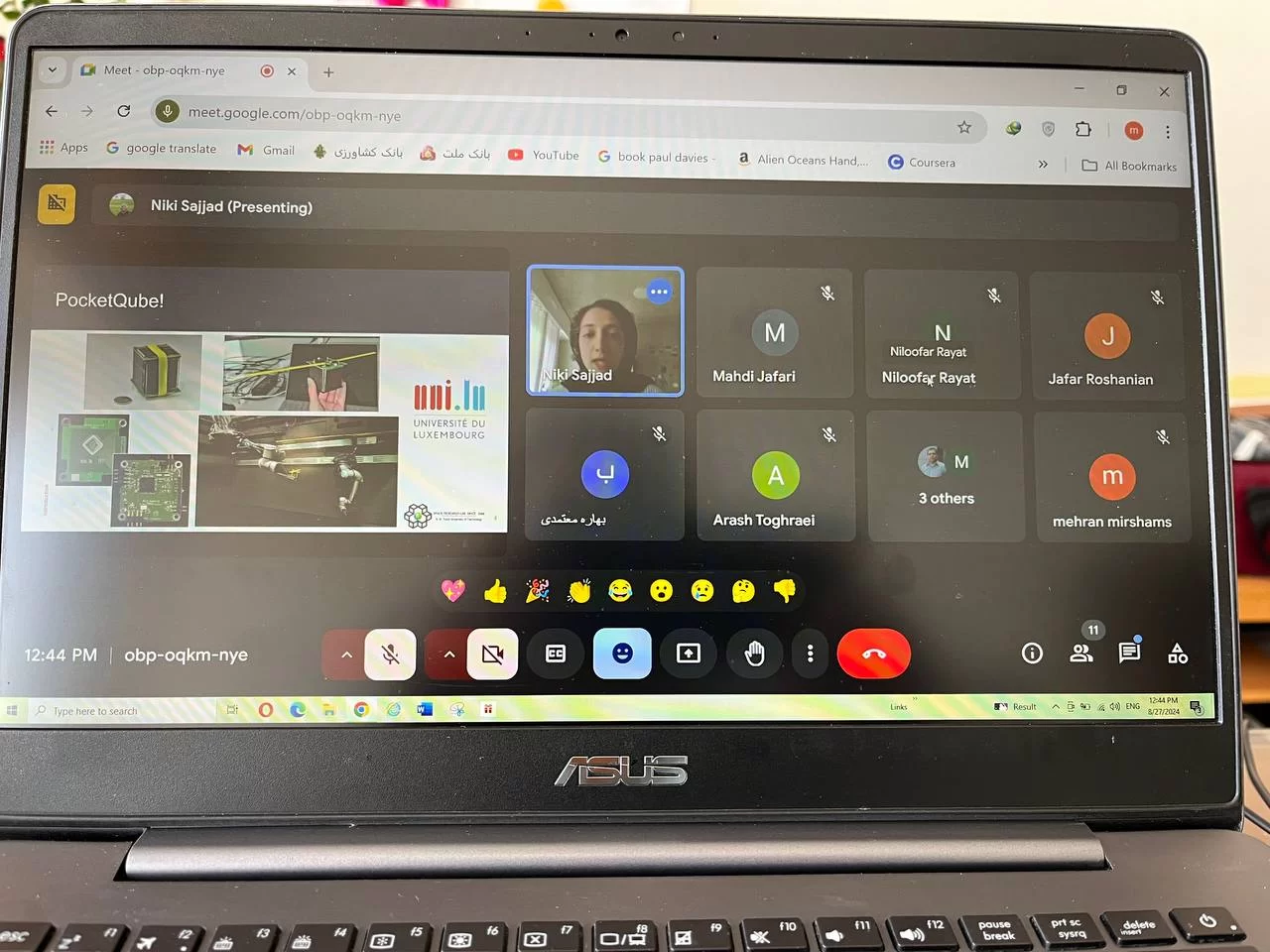
On Tuesday, 27 August, Niki delivered the second seminar of her PhD, presenting the results of a feasibility study on 6D pose estimation of PocketQubes using computer vision algorithms. Her research tackles the challenges posed by current satellite cameras and control systems, with the goal of integrating computer vision technologies into real-world satellite operations and mission design.
Throughout her PhD, Niki has focused on space sustainability, particularly on estimating the pose (attitude and position) of very small satellites. Accurate pose estimation is crucial for enabling future Active Debris Removal (ADR) and On-Orbit Servicing (OOS) missions for debris of any size. Following her seminar, Niki received valuable feedback from the committee, which has helped her prepare for her upcoming PhD defense.
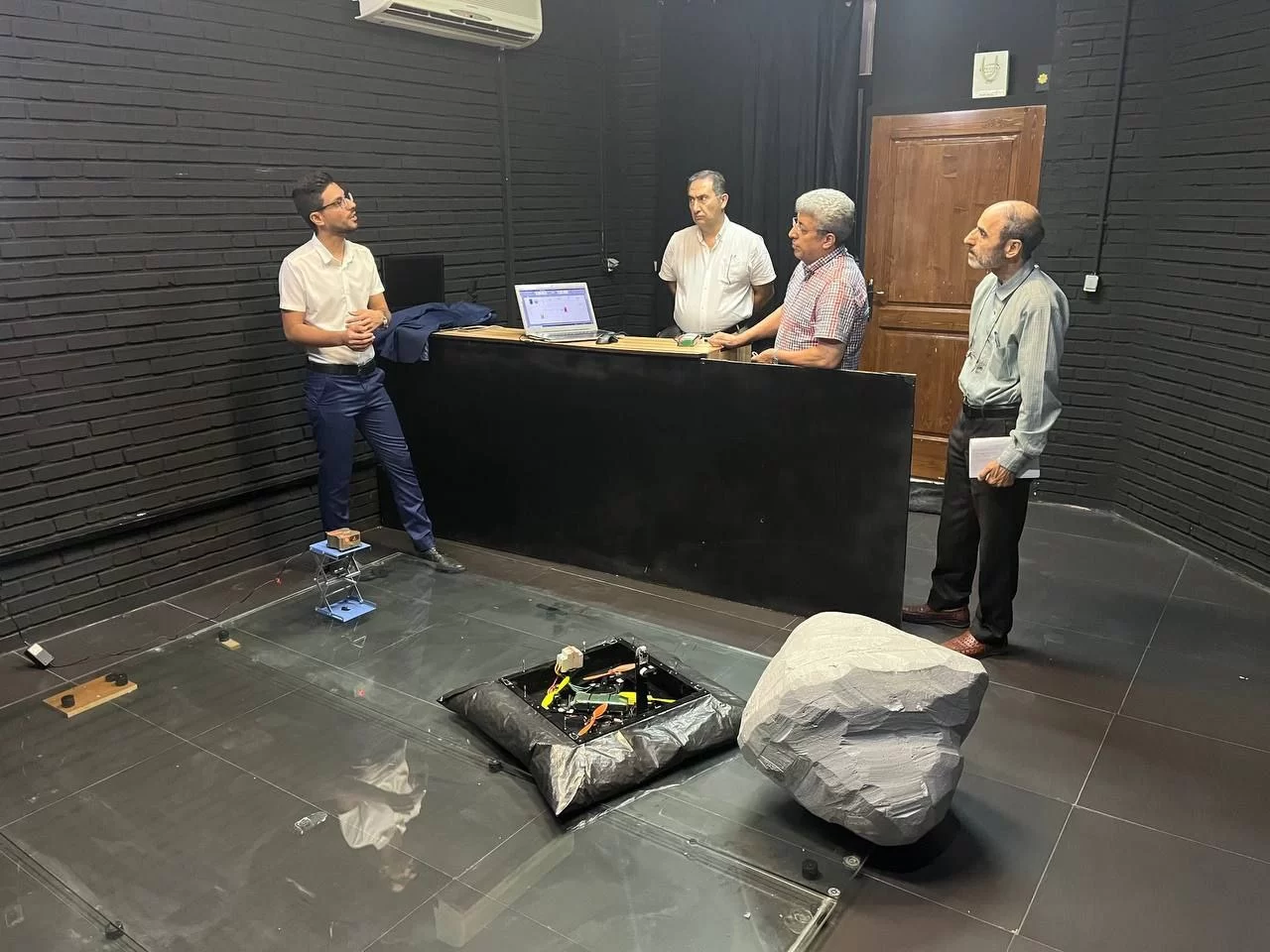
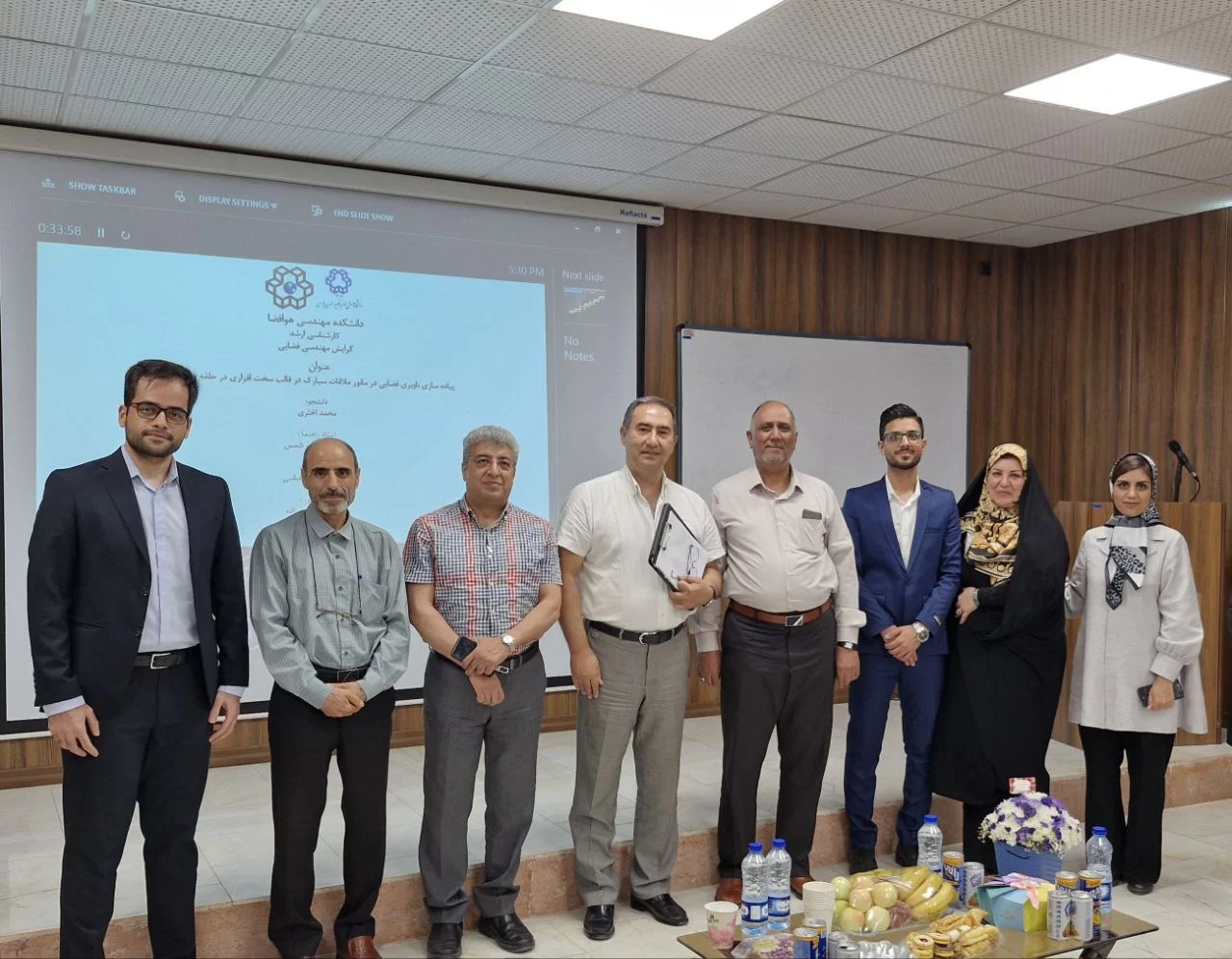
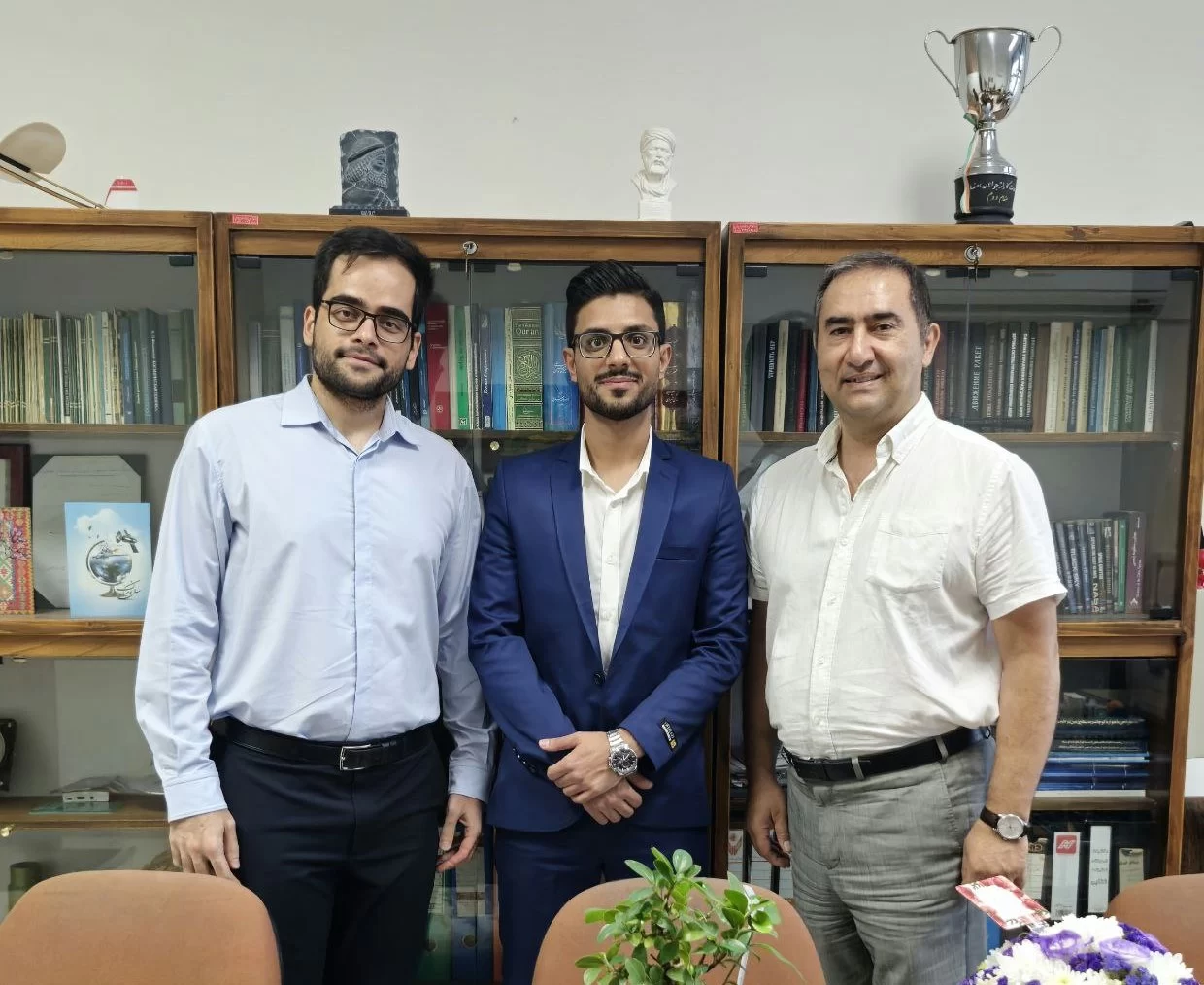
Implementation of Asteroid Rendezvous Maneuver in a Hardware-in-the-Loop Platform
With the increasing development of interplanetary missions and space explorations, the advancement of flight control, guidance, and navigation systems for space vehicles has gained significant importance. A project was undertaken to design, develop, and test a simulation platform for space maneuvers and proximity operations with an asteroid. Initially, a three-degree- of-freedom air-bearing testbed, including two translational and one rotational degrees of freedom, was constructed to simulate the operational environment of a spacecraft. Additionally, a “dark room” was equipped and set up to conduct the tests and operations, creating conditions that closely resemble the space environment.
The project began with the construction of the Space Maneuvering System (SMS) by Engineer Morteza Abbasi, but after a while, the project was restarted by Mohammad Akhtari. The tasks of this project included upgrading the hardware and software systems of SMS, as well as constructing, equipping, and setting up the dark room for testing the SMS system.
Mission: The system searches for the target asteroid in a completely dark environment, and upon identifying the target asteroid, it approaches it and maintains a specified distance.
This project was supervised by Dr. Mirshams and advised by Engineer Abbasi.
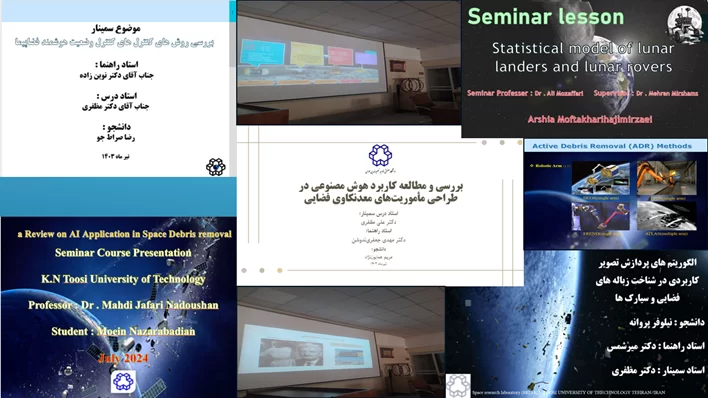
On July 21, 2024, the presentation of a seminar course for master’s degree students in space engineering took place at the Space Research Laboratory. Five students presented their research projects.
The students who presented were Moein Nazarabadian, Niloofar Parvaneh, Maryam HomayonNejad, Reza Seratjo, and Arshia Moftakharihajimirzaei. Each student shared their research topic with the audience.
In this course, one of the projects that grad. students work on during the semester, is the cubesat project.
The goal is to assemble a simple cubesat and be able to test the designed controller for this system. The controller is only programmed to perform around the z axis of the cubesat ( only the yaw angle is controlled ).
Here’s the package that the students need to assemble and test their cubesat:
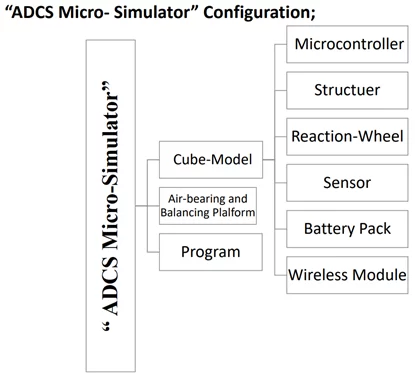
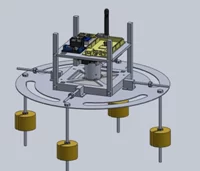
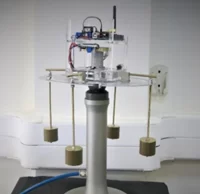
And here’s the package that has all the parts needed to achieve the required goal:
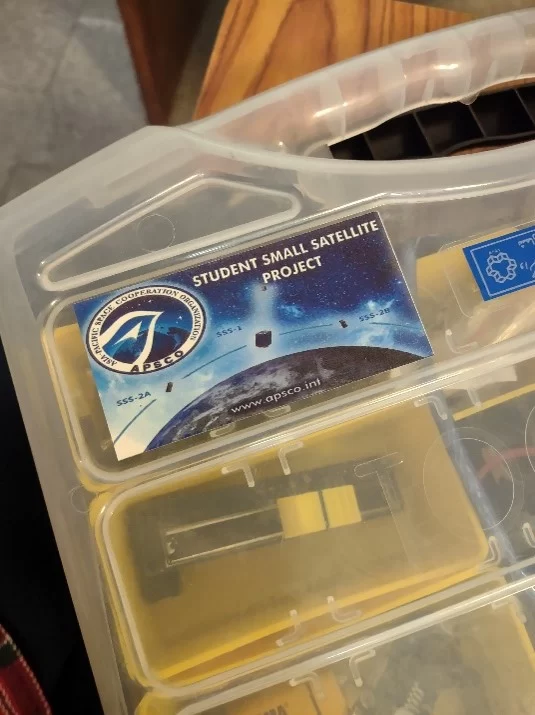
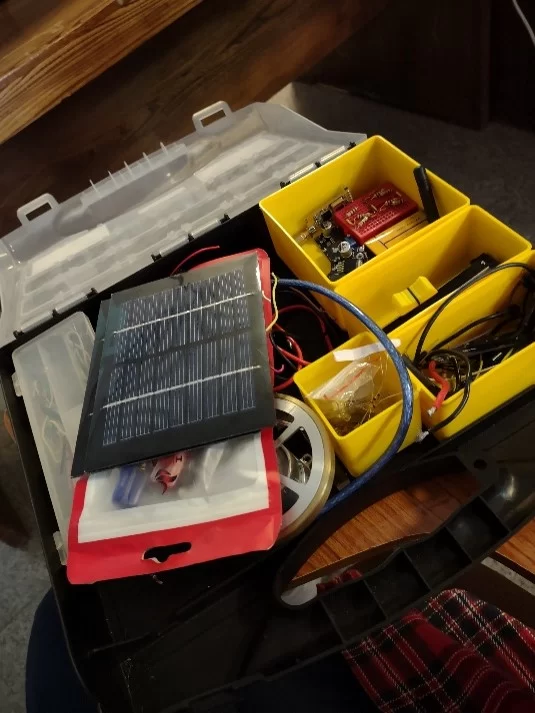
To reach this goal , the students must complete a series of activities in order to get familiar with each part’s Function and the way each part interacts with other parts of the cubesat.
These activities are:
1- Arduino:
in order to know Arduio’s function in the cubesat , the students must know how to use and program the Arduino. For this , there are 2 activities designed. First one is to teach the students how to simply program an Arduino in order to turn on a LED and then making the LED blink.
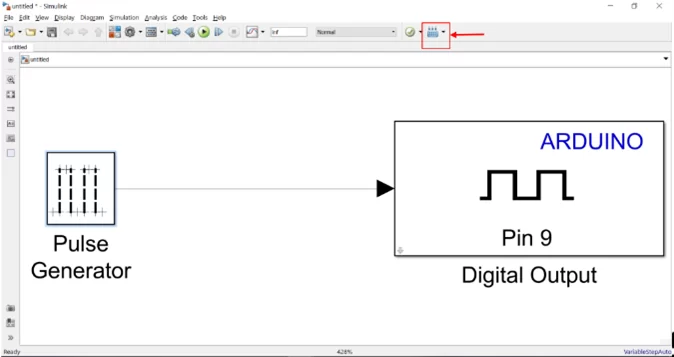
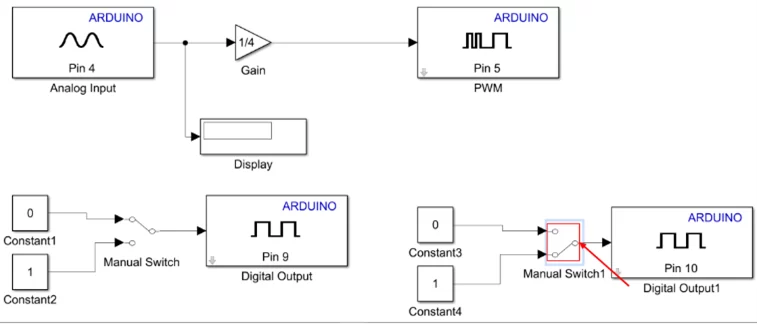
next activity is how to use an Arduino to increase or decrease an Arduino’s brightness.
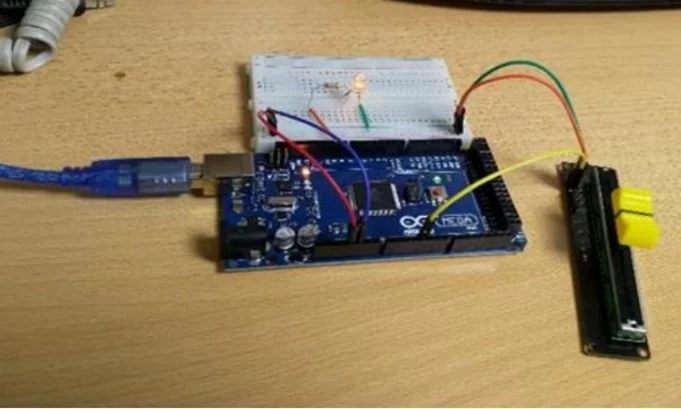
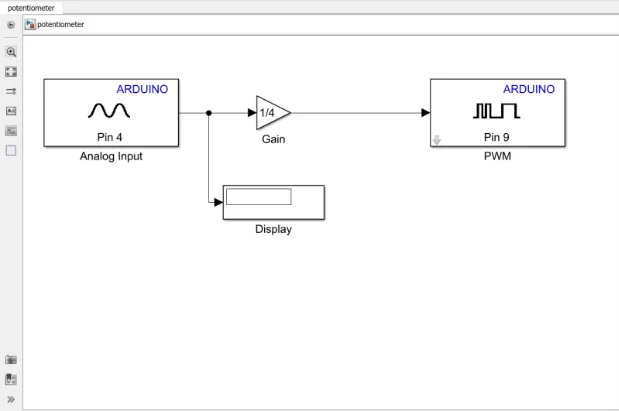
2- Motor & driver implementation:
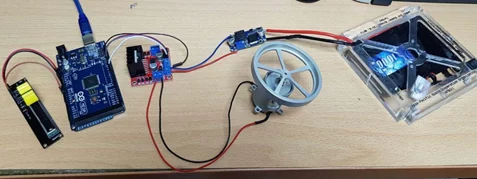
There are 2 activities designed to teach the students how to use the DC Motor and adjust the motor’s speed. First one is to simply turn on the DC motor and make the wheel start rotating both CW & CCW.
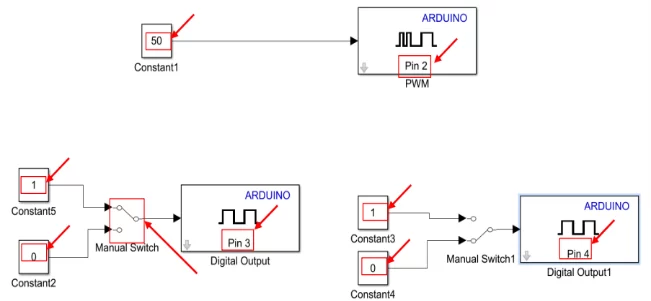
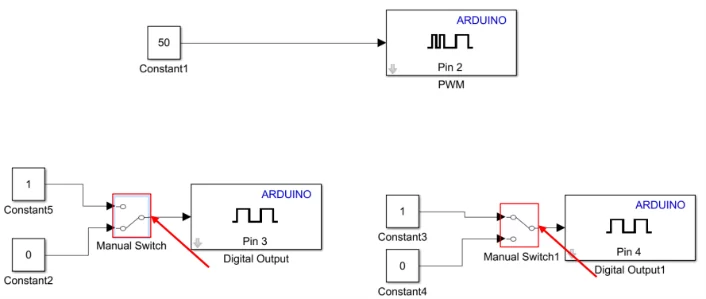
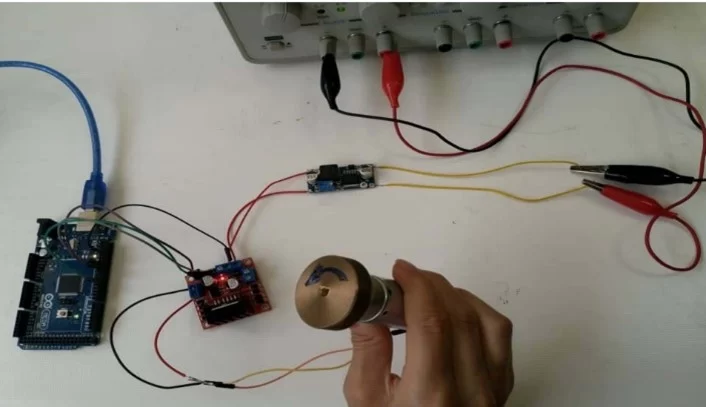
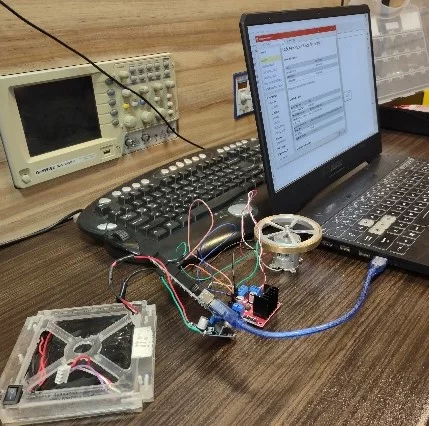
And in the next one the students learn how to control the speed of DC Motor.
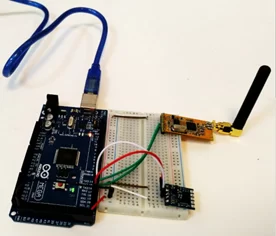
3- Sensor & communication module:
There are 2 activities designed to teach the students the function of a sensor in the cubesat. (here we are using a 9-axis gyroscope)
In the first one the students learn how to simply test a sensor to both make sure that it works properly and also see the changes in attitude as we move the sensor.
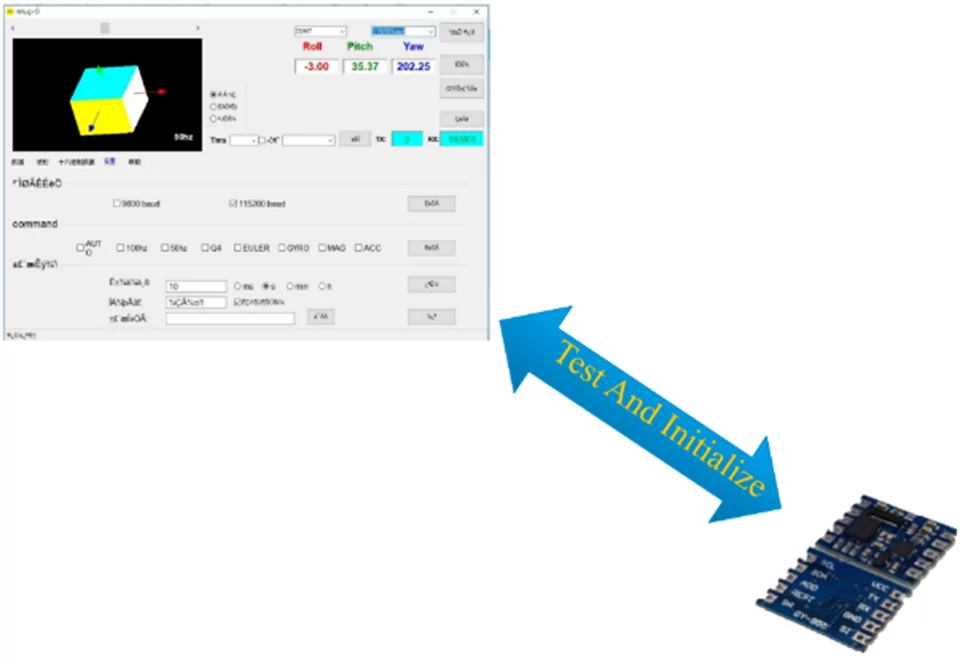
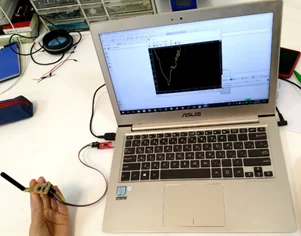
And in the next one they learn how to see test the sensor using the Wi-Fi module and the prepared Simulink simulation to see if the communication module works properly.
4- Micro ADCS simulator:
In this activity which is the last activity , the students assemble the cubesat and test the prepared controller on the cubesat.
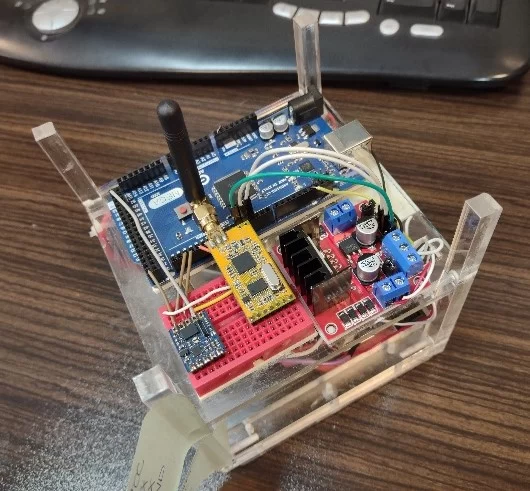
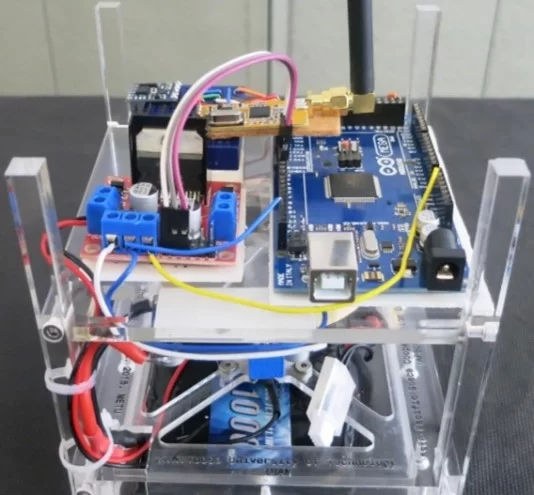
After that , the students program the Arduino using Simulink.
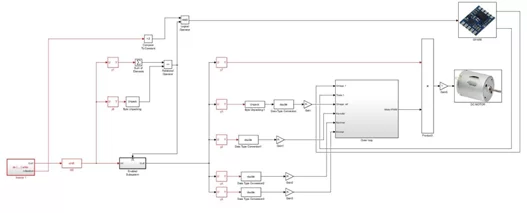
And finally they can run the main simulation to see if the cubesat is controlled properly over the airbearing.
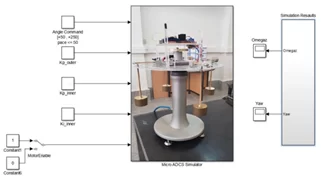
Here’s the results of a successful test:
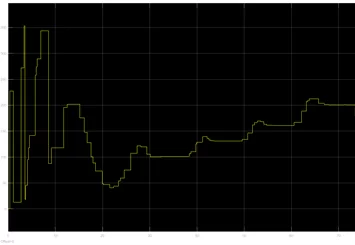
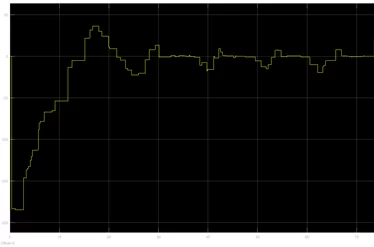
The first figure is for the yaw angle and the second one is for the wheel’s speed.
As you can see after maintaining stability around the z-axis , the controller successfully followed our desired yaw angles that were : 100 , 130 , 160 and 200 degrees.
Here’s a picture of the two teams that were involved to reach this goal:
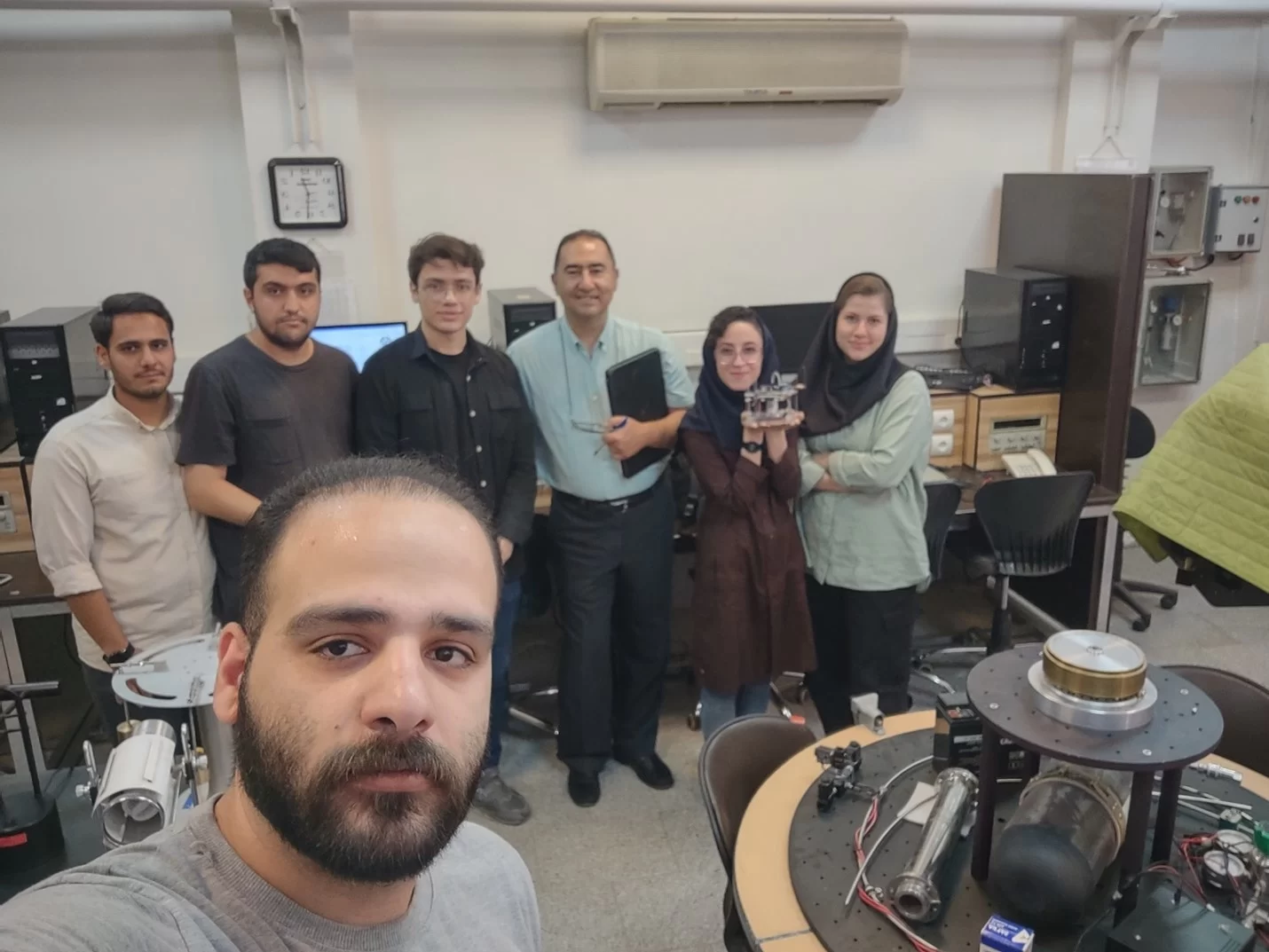
From left, in the front is Ali Moradi the TA in this course, then Reza SeratJoo, Arshia Moftakhari, Moein NazarAbadian, Dr. Mirshams (Professor of Spacecraft System Design course and the Head of Space Research Laboratory), Maryam HomayounNezhad and Niloofar Parvaneh.
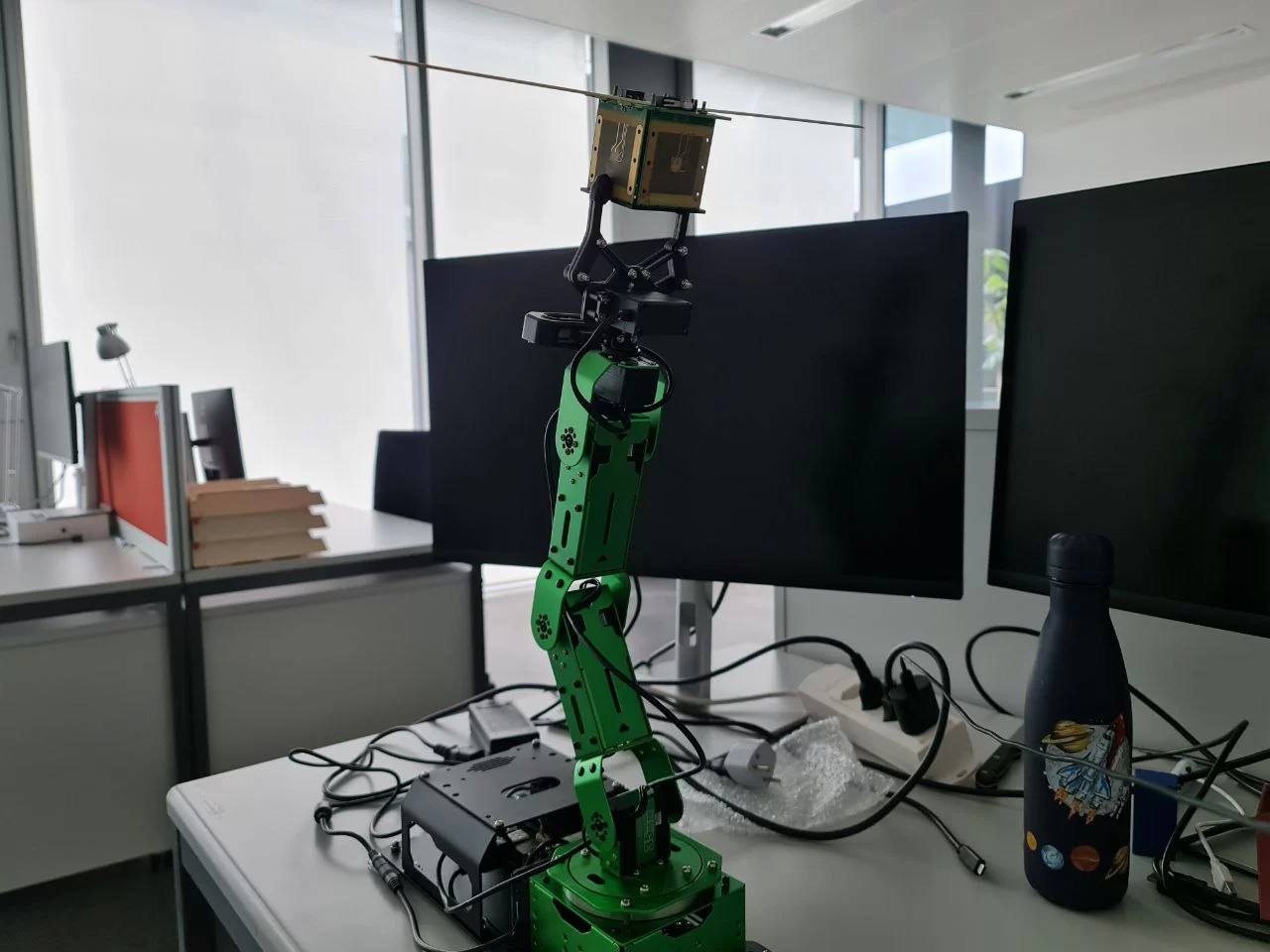
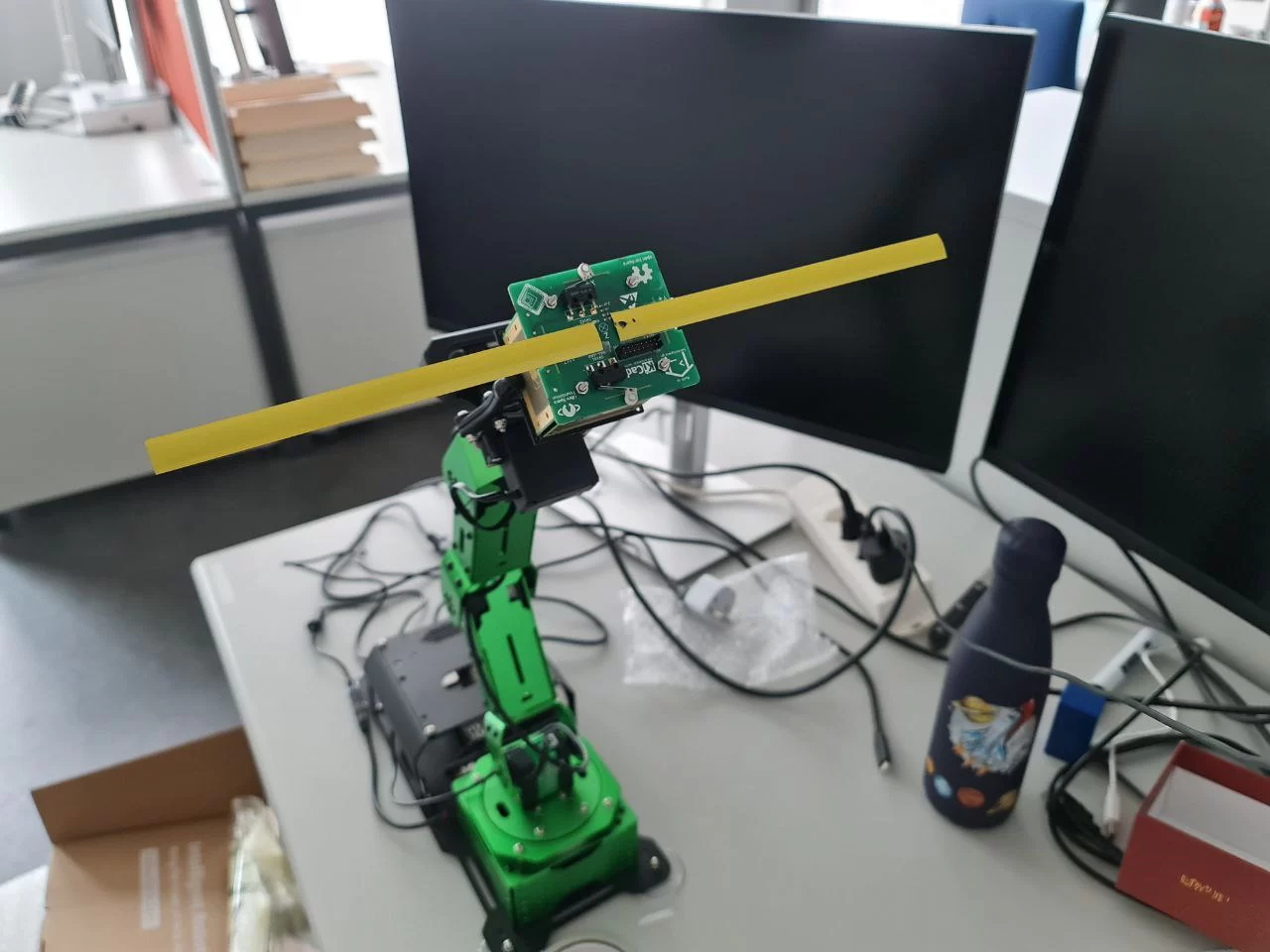
Niki, our PhD student, is currently a visiting researcher at École Polytechnique Fédérale de Lausanne (EPFL). She is testing a real-sized PocketQube from the University of Luxembourg, using a 6DoF robot. By attaching the PocketQube to the robot’s end-effector and planning trajectories, her work aims to enhance vision-based satellite pose estimation using existing cameras in orbit.
“Spacecraft Design 1” is one of the main courses for master’s students . The students of this course (Maryam – Niloufar – Arshia – Reza – Moein) managed to finish the practical project of the spacecraft system design 1 course on wednesday May 29, 2024.
The output of this project included 2 cubesats (one for each group) that successfully passed the control test steps.
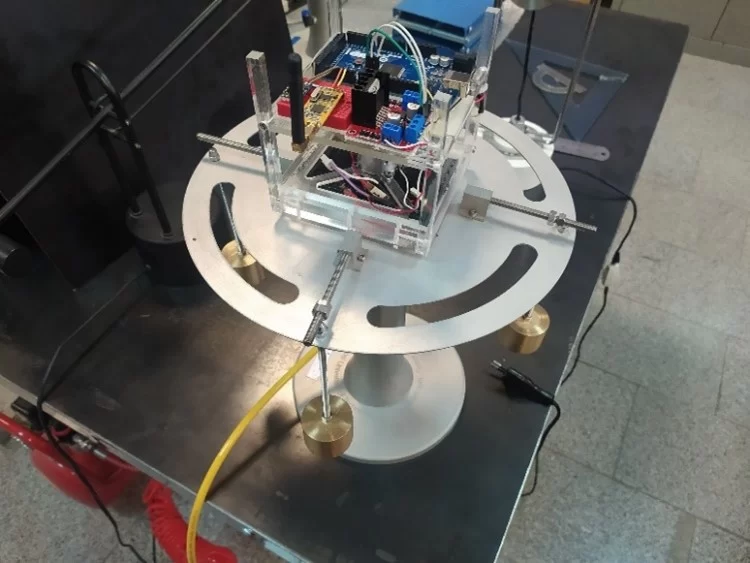
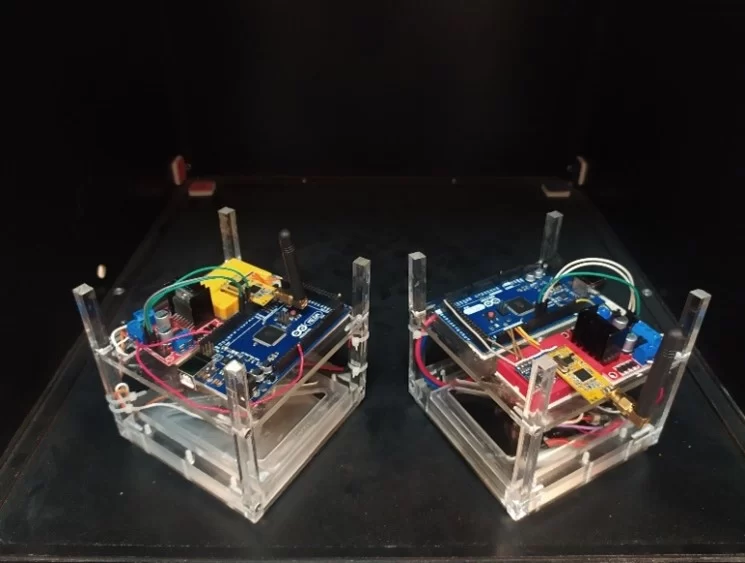
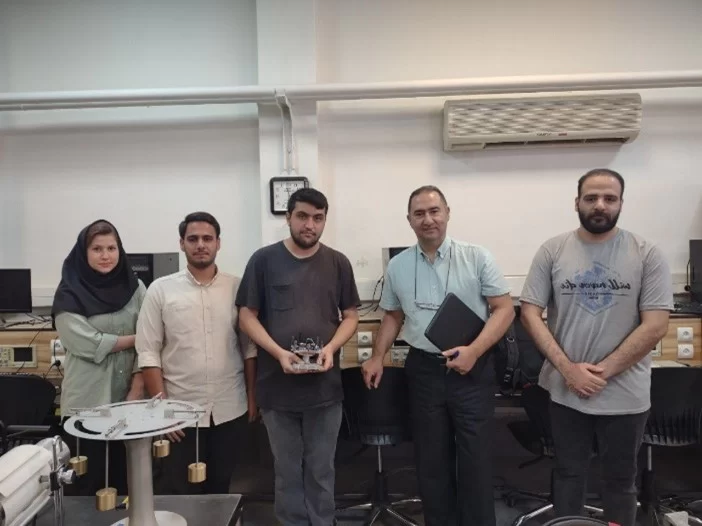
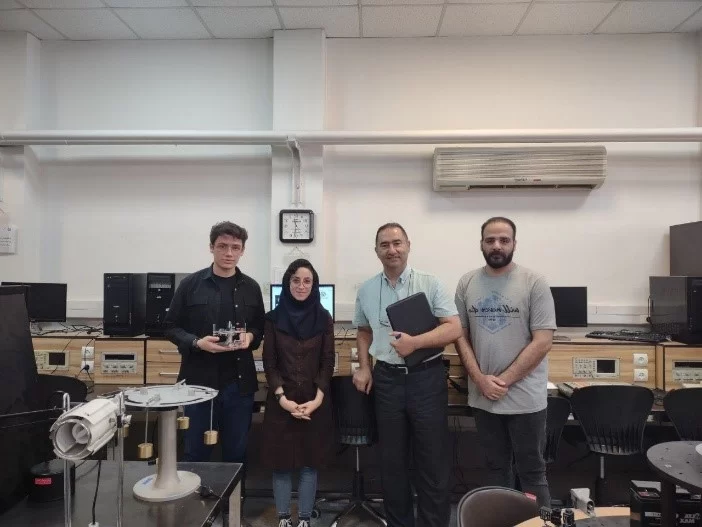
During this project, students were able to learn about the function of the parts used in cubesat by doing a series of activities. Also learn how to put them together to reach the desired cubesat. Finally, by programming the Arduino, apply the controller to the system and check and analyze the gyroscope outputs to evaluate the performance of the controller.
Prof : Dr . Mehran Mirshams
TA : Ali Moradi