+98 21 77334133
Contact Us

Global satellite tracking interview

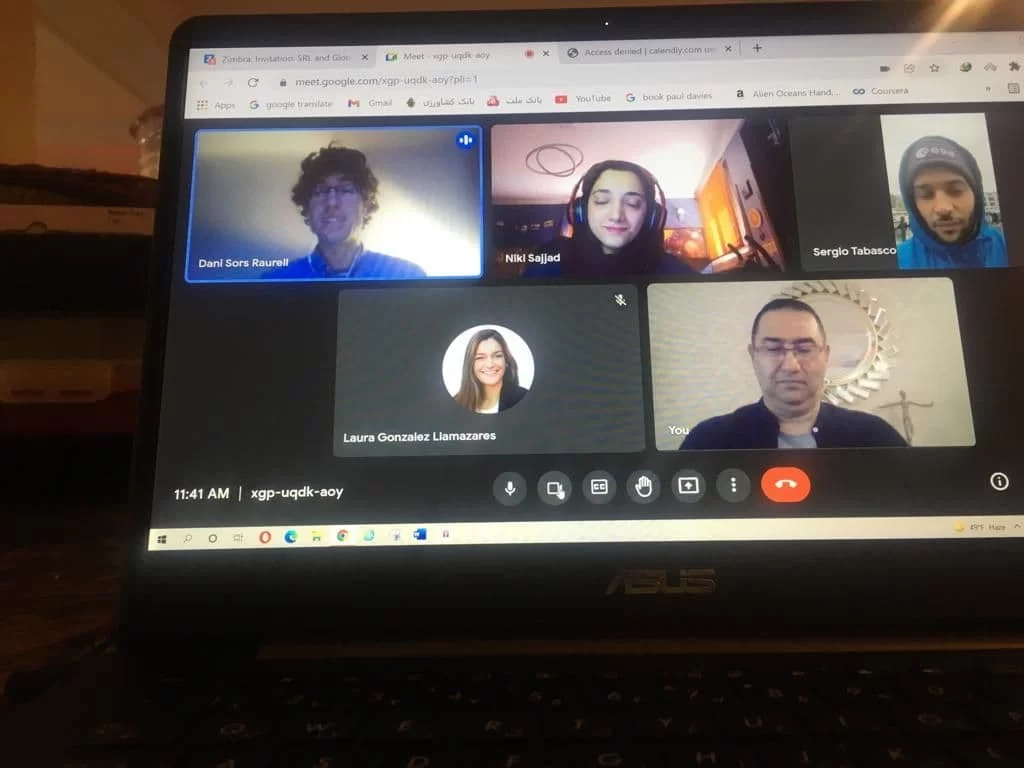
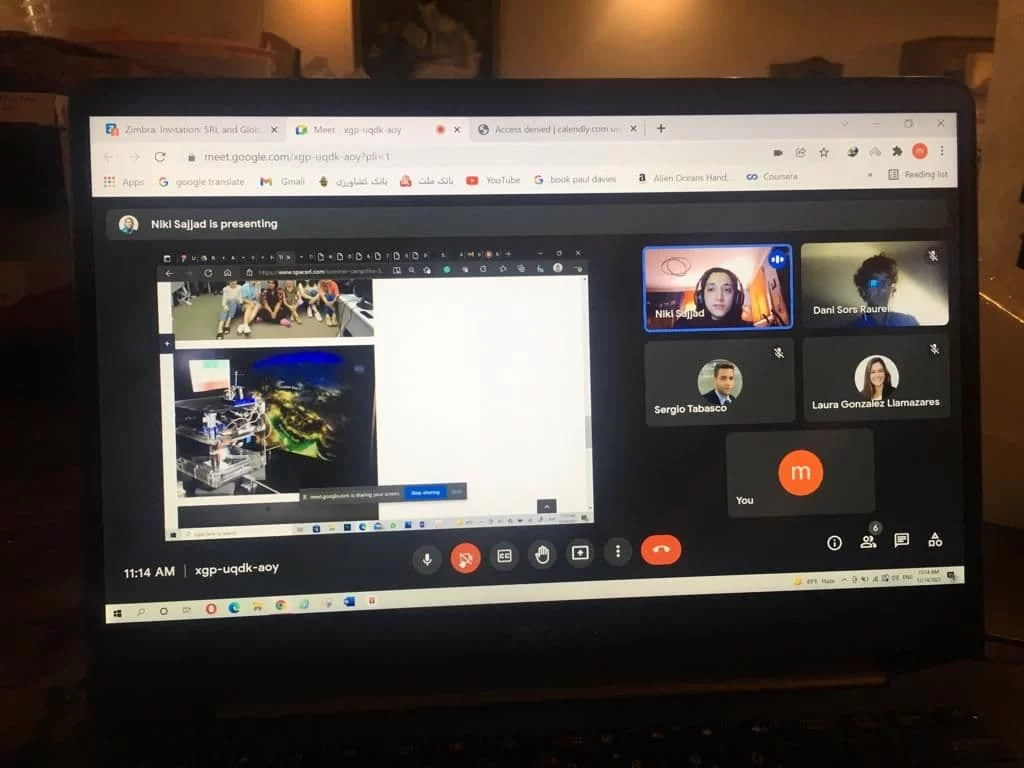
The Space Research Laboratory team has participated in the Global Satellite Tracking initiative, a competition launched by SGAC in collaboration with SatNOGS. Our team has made it to the interview phase!

The SatNOGS project aims to build a global network of satellite ground stations. It is designed as an open source participatory project based on the users operating a ground station that is accessed via a web page for all of the network users.

We hope to be selected as the first SatNOGS node in Iran!

SRLSAT MIL phase Presentation

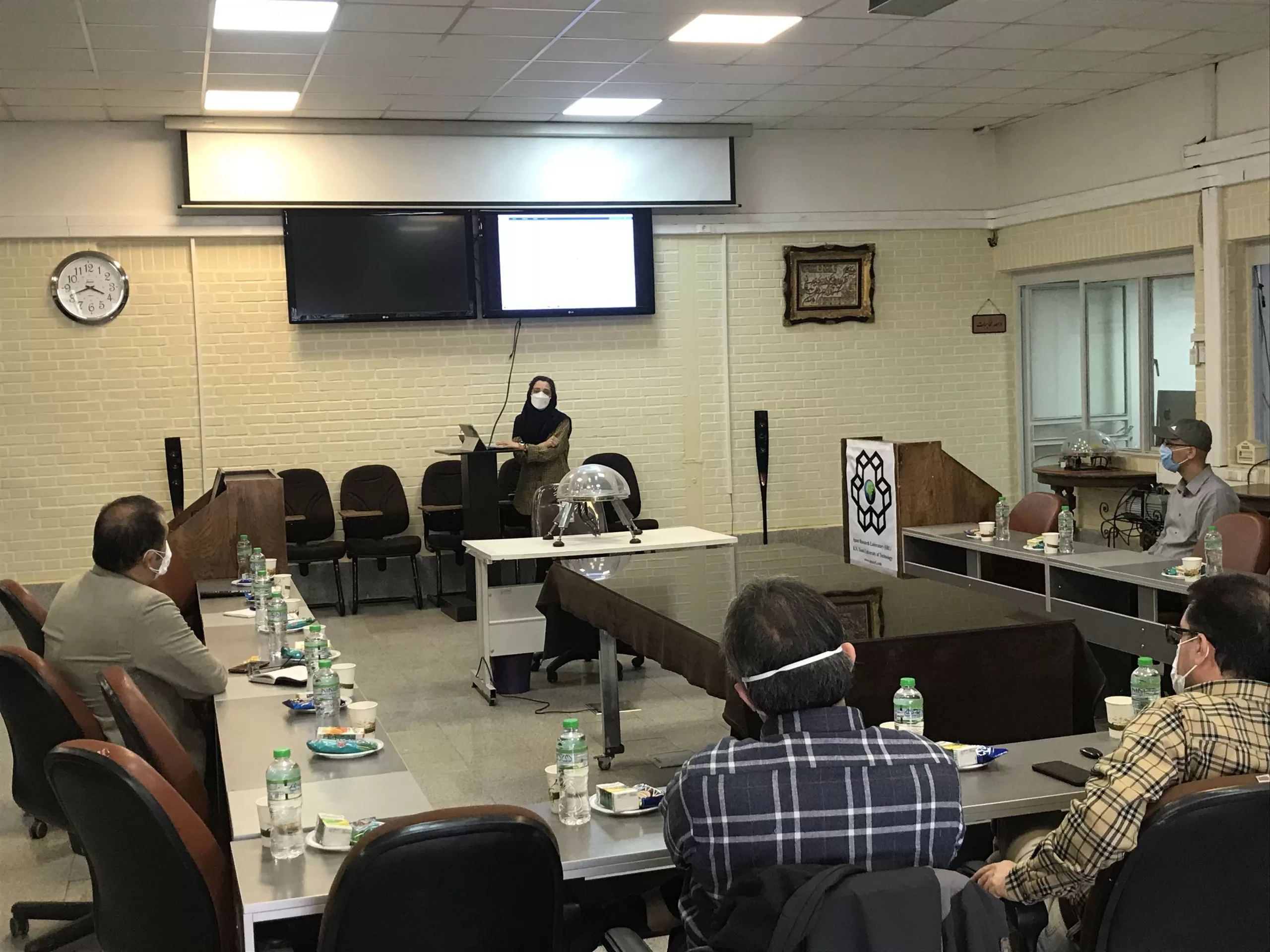
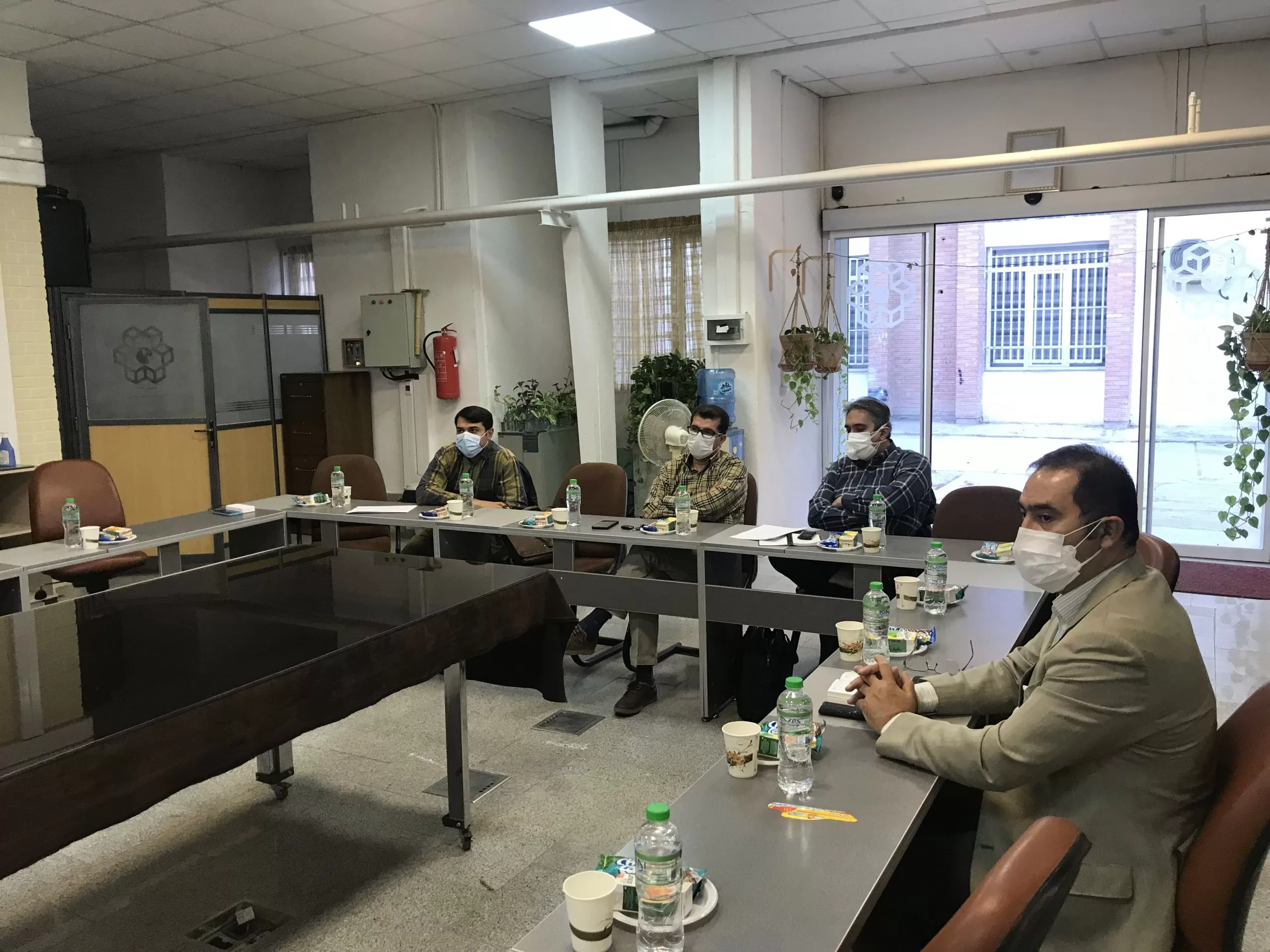
On Sunday, 1 Nov. 202, The SRLSAT team presented and tested the MIL Phase of The SRLSAT to CubeSat competition managers and jurors.

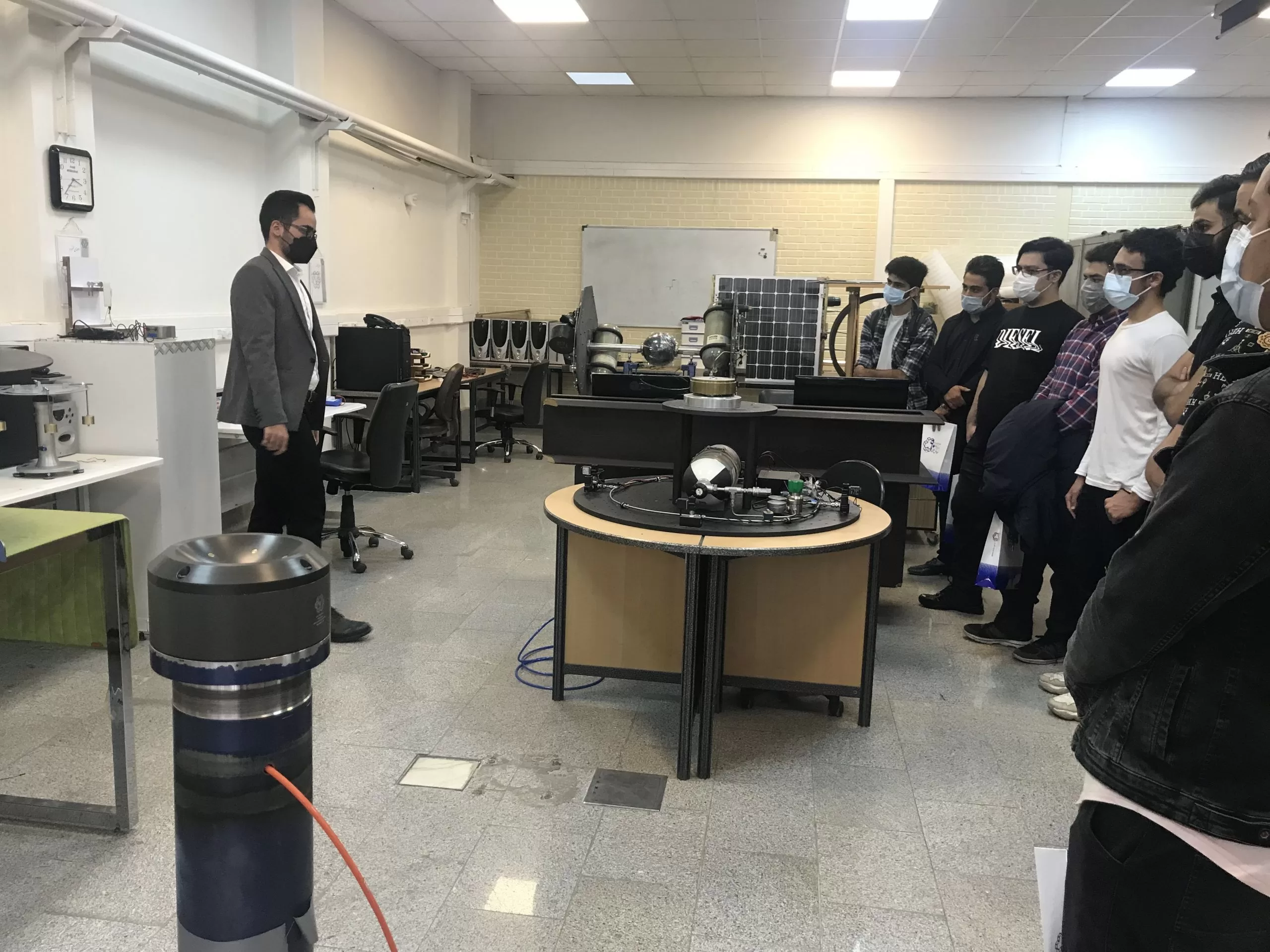
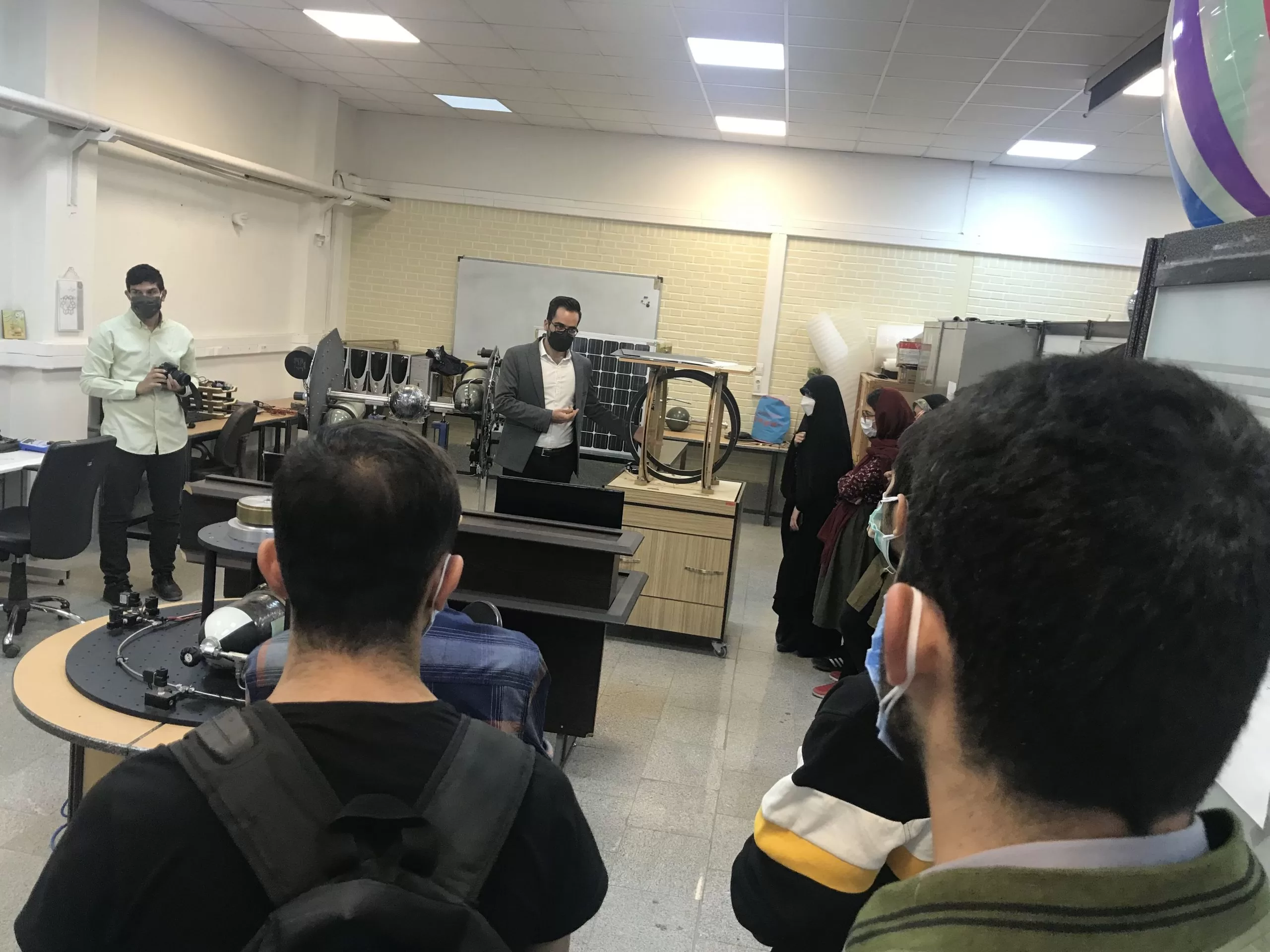
Freshman Visit from Space Research Lab

A group of freshmen had a short visit to Space Research Lab. SRL executive manager Mr. Morteza Abbasi introduced the current Lab’s research titles and showed them some of the student teams’ outcomes.

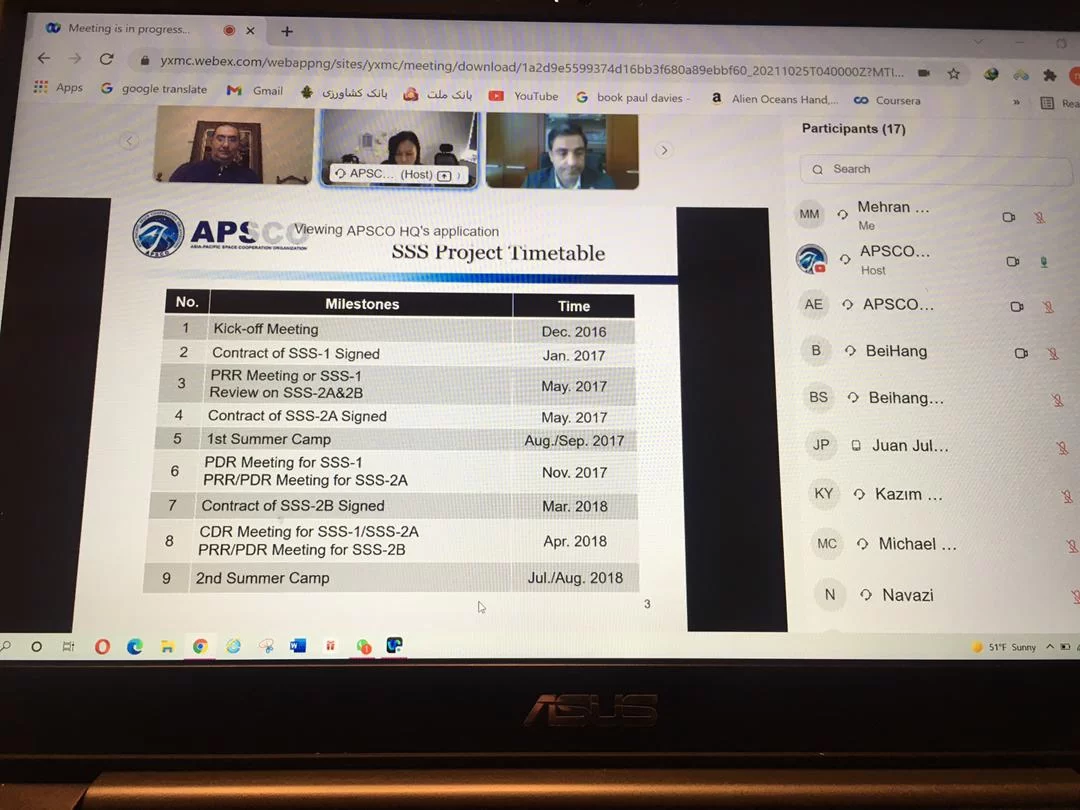
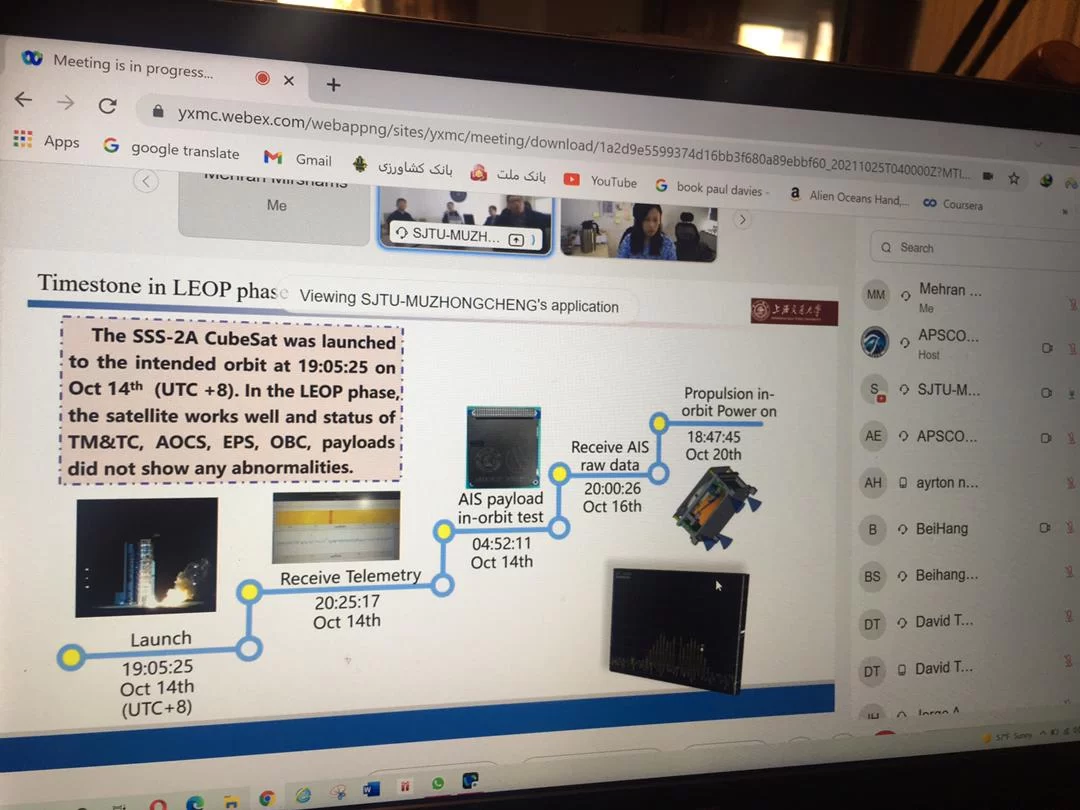
The first SSS after launch meeting

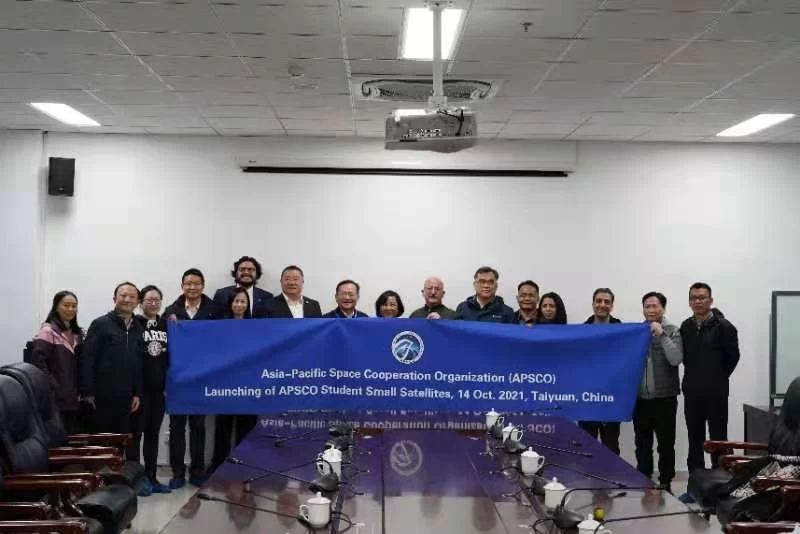
The APSCO SSS-1 and SSS-2A were successfully launched on 14 October, and the satellites are performing early operation procedures normally.

APSCO has organized an on-line technical meeting on 25th October (Monday) to report the launching and preliminary operation status of the 2 satellites as well as to discuss the technical details for the satellite and ground station interface, and operation plan.

The Project members and the technical experts have participated in the meeting.

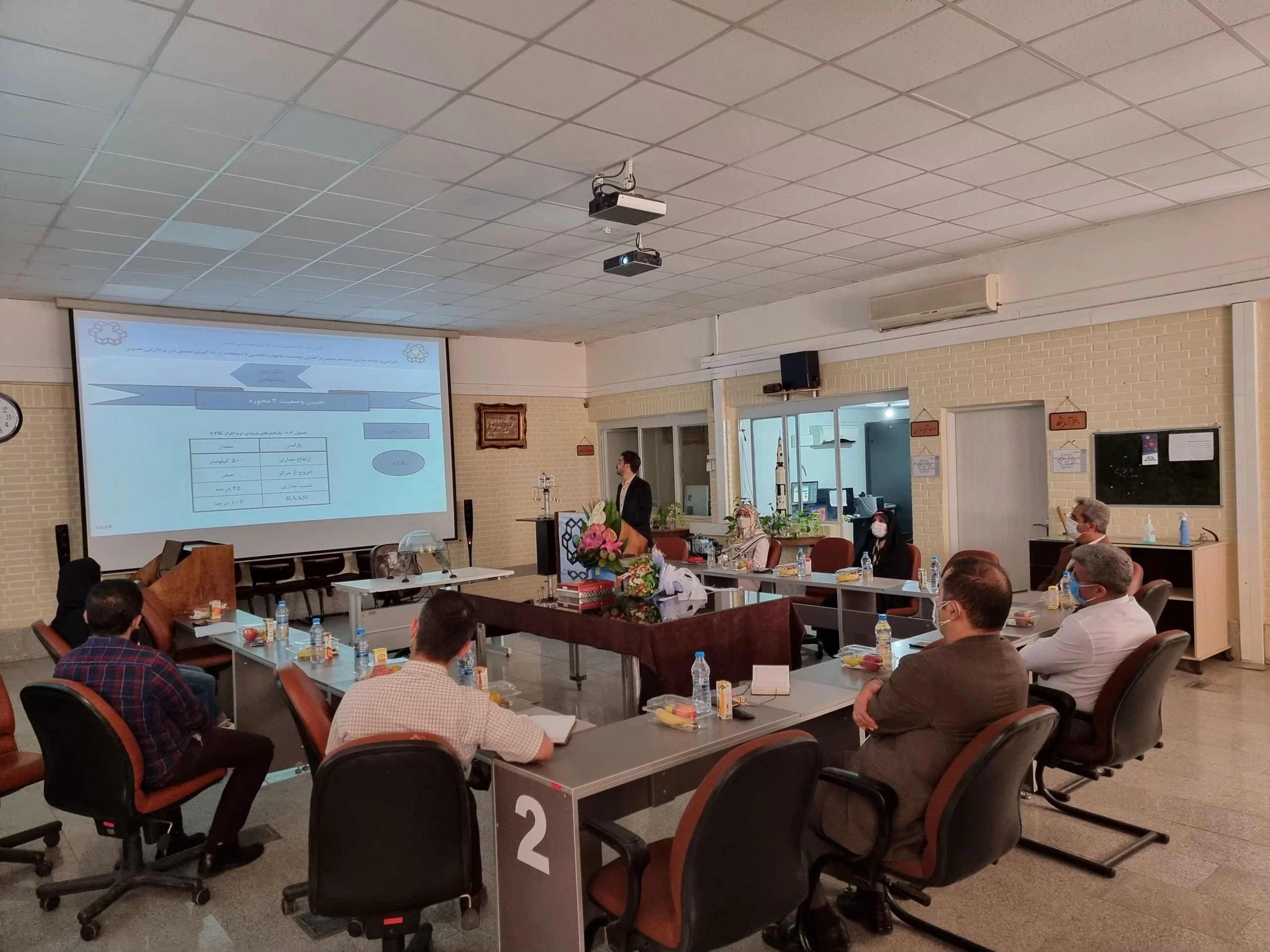
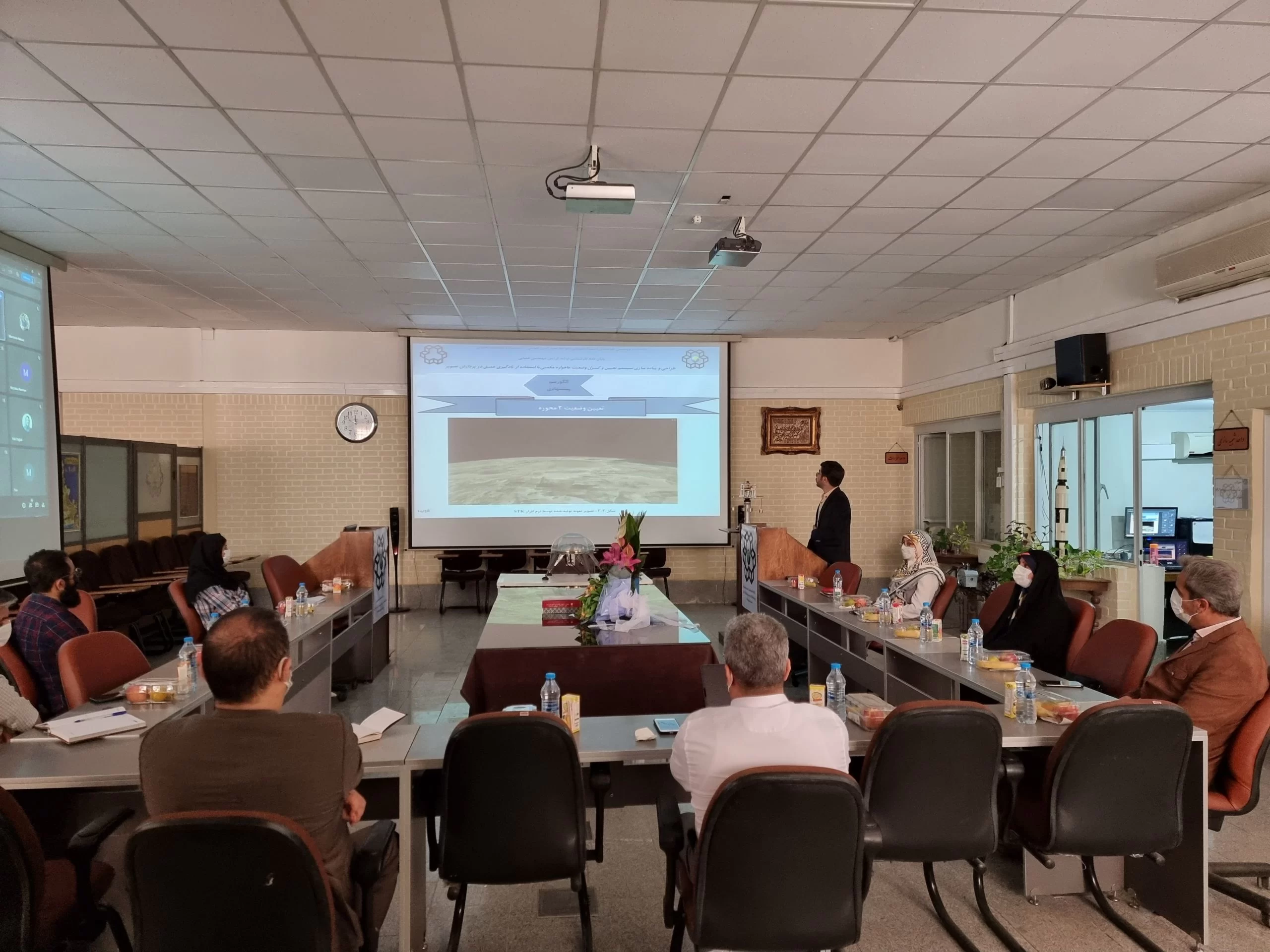
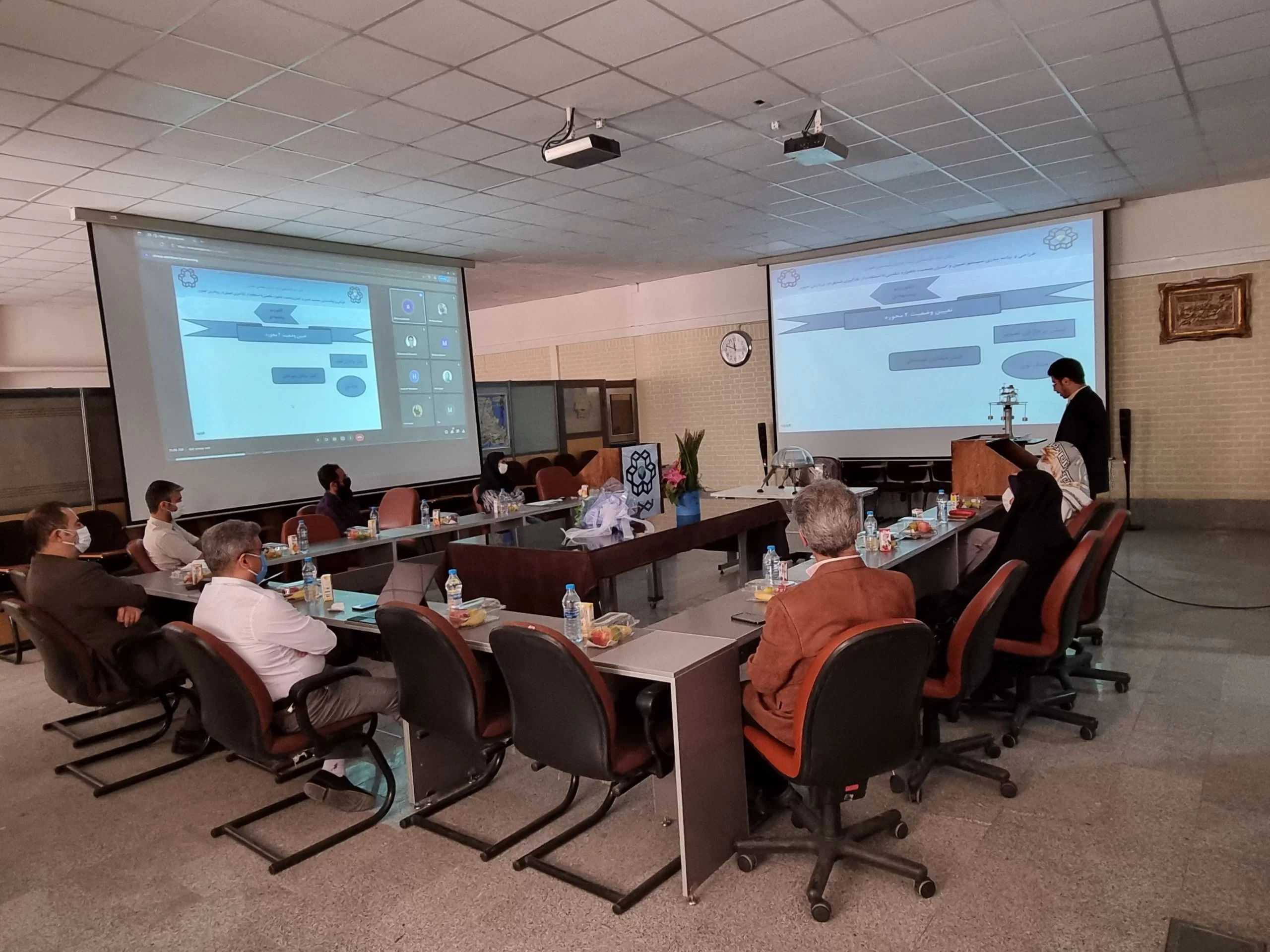
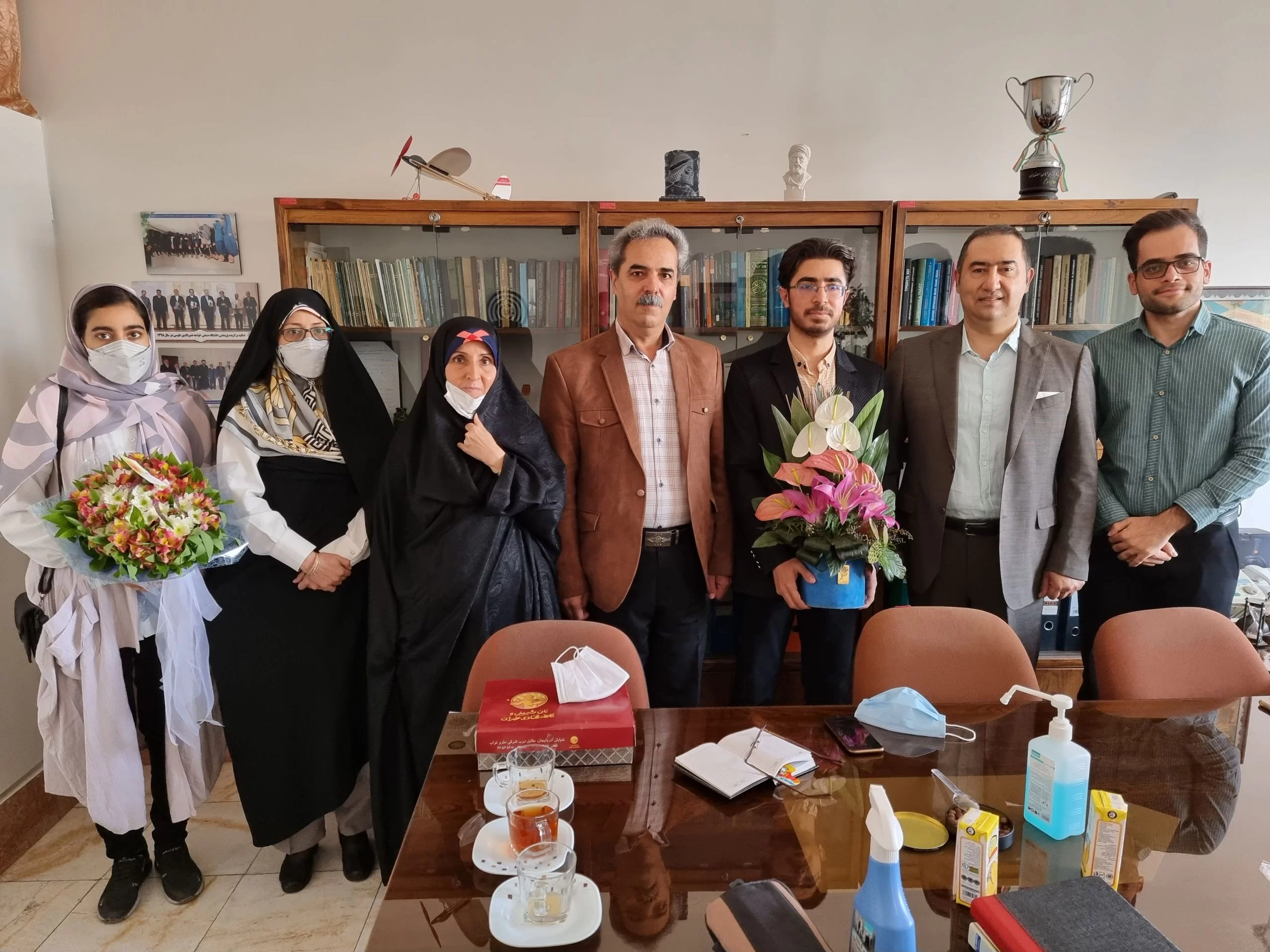
A Thesis Defense Session for MSc/Alireza Amirkhani

Title: Design and implementation of attitude determination system for Cubesat using image processing with deep learning

By Alireza Amirkhani
Supervisor: Dr. Mehran Mirshams
Advisors: Mr. Mohsen Shahmirzaei, Ms. Niki Sajjad
Chairmen: Dr. Alireza Basohbat Novinzadeh (K.N. Toosi University of Technology), Dr. Hamed Alisadeghi (K.N. Toosi University of Technology)
October 17, 2021.

Abstract: For many years, satellite attitude determination has been done using sensors such as sun sensors, earth horizon sensors, magnetometers, and star trackers, each of which has advantages and disadvantages in terms of accuracy and cost. As a new method to increase the accuracy and reduce the cost of the satellite sensor package, using artificial intelligence technology and in particular, the machine learning algorithms for satellite attitude determination have been proposed.

This research presents an algorithm based on deep learning for attitude determination, considering many applications of computer vision in improving the accuracy of imaging sensors. In fact, the proposed algorithm is extracted using a deep neural network and been tested on the images captured by the simulated camera sensor as a satellite payload. Earth images were also generated in this research using simulations in STK software. The algorithm is implemented in the laboratory and on the actual hardware. This method is effective in reducing the size, mass, and cost of the attitude sensor while increasing the accuracy of the attitude determination system.


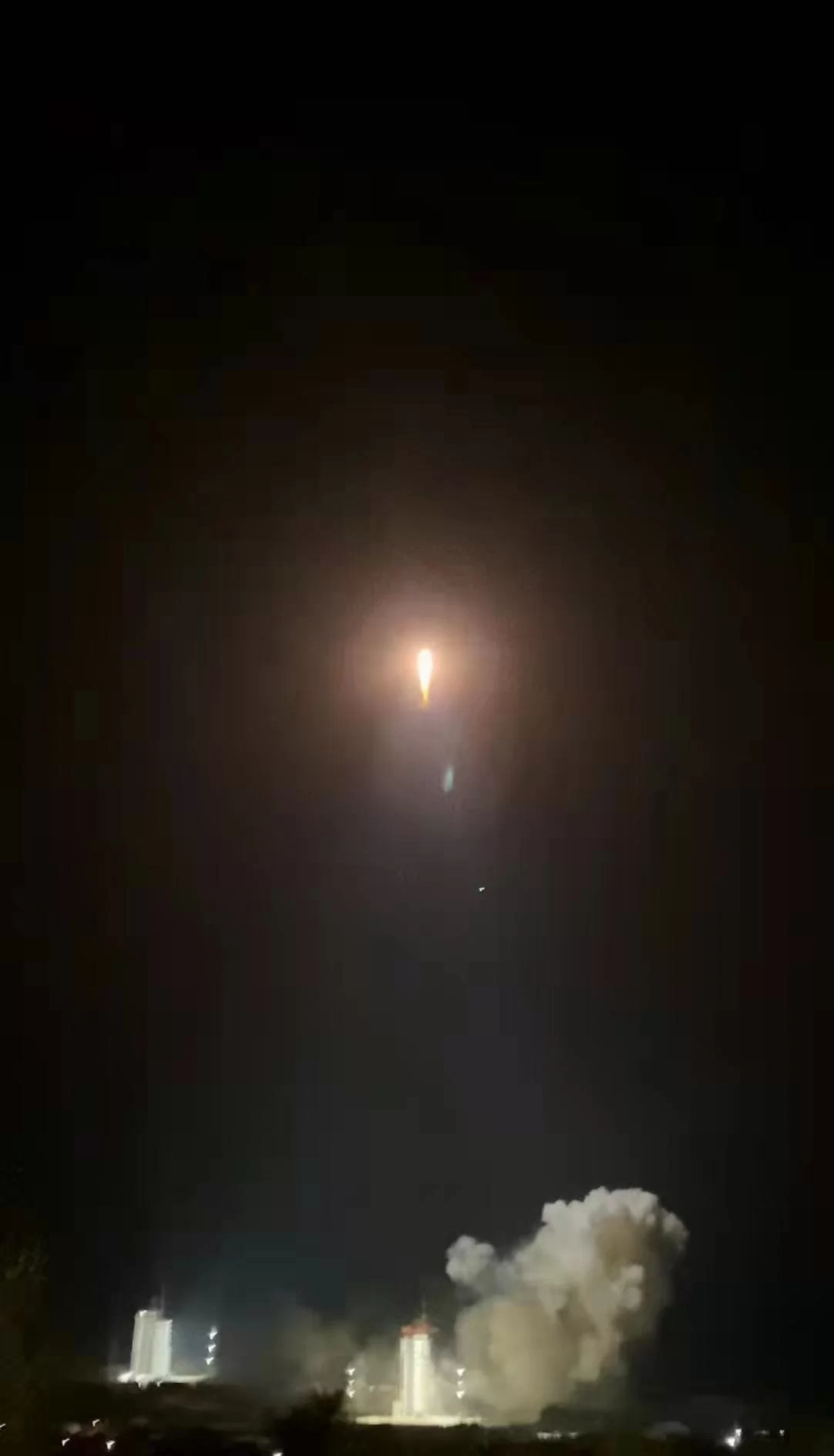
SSS1 and SSS2A Satellites launched successfully today

SSS1 and SSS2A Satellites launched successfully today 14th Oct 2021 at 1850 hrs Beijing time. Health status of satellites and launch snaps will be shared as soon as they are made available.

Launch movie

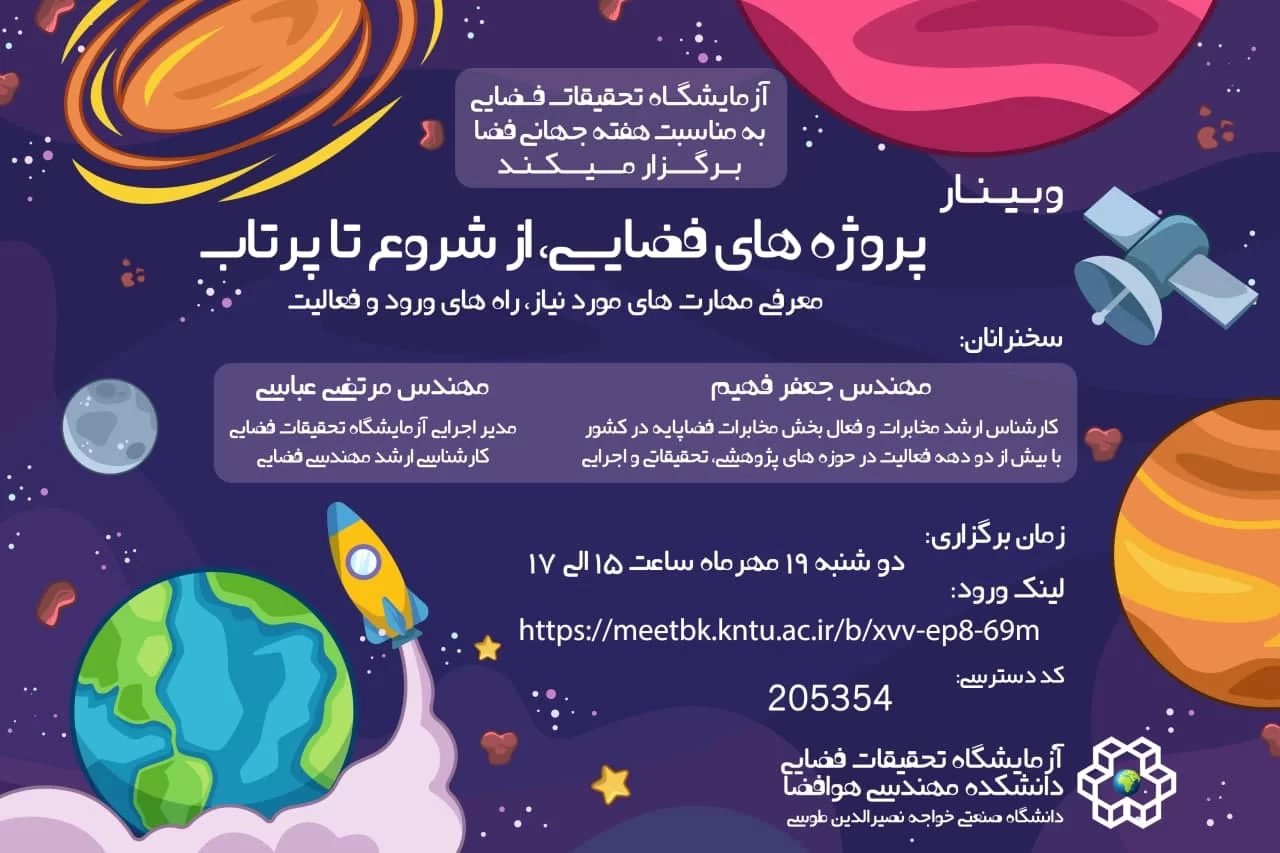
On the occasion of World Space Week, the Space Research Laboratory is holding a Webinar

On the occasion of World Space Week, the Space Research Laboratory is holding a Webinar:

“Space projects, from start to launch (introduction of required skills, entry and activity routes)”

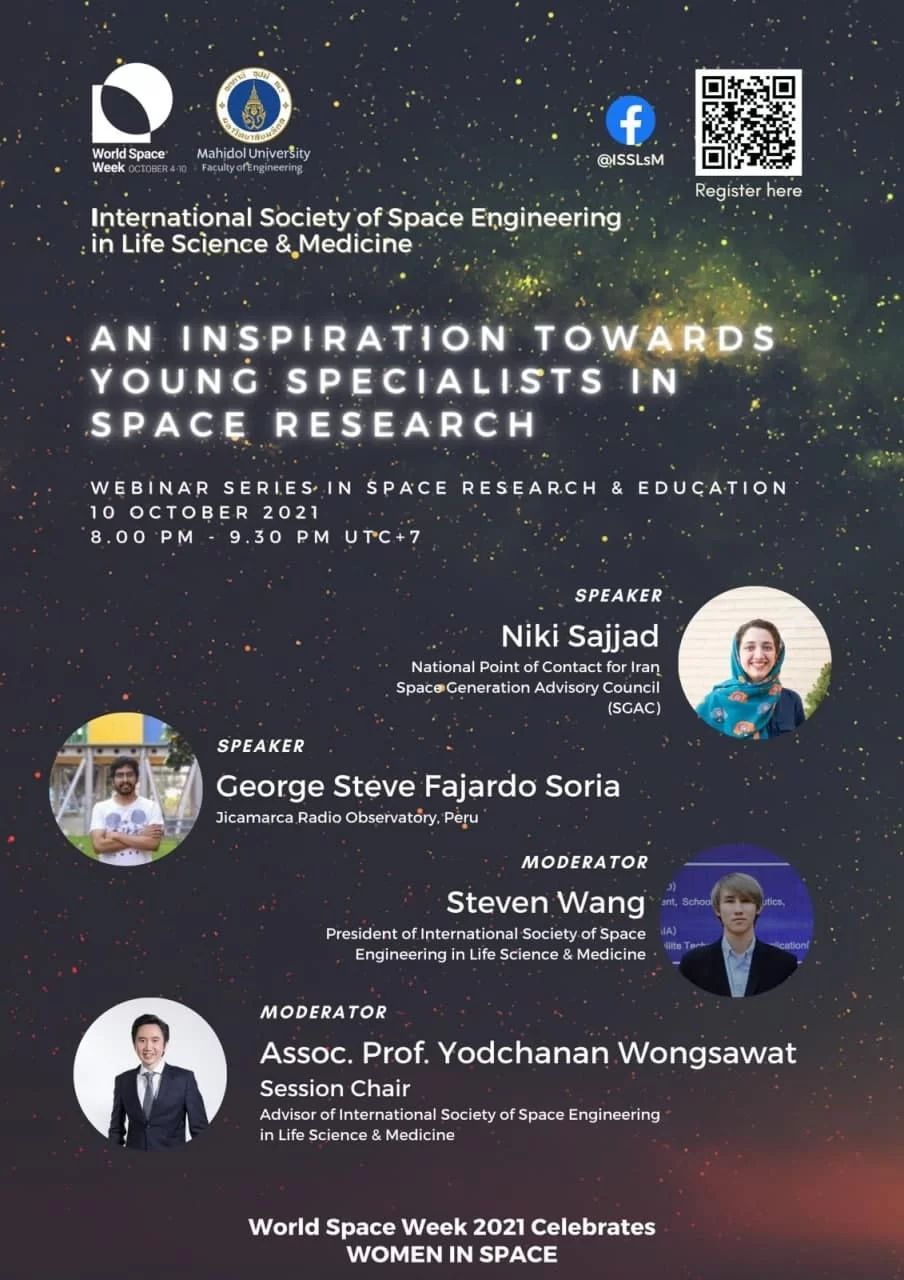
Webinar Series in Space Research & Education

Niki Sajjad, National Point of contact for Iran Space Generation Advisory Council (SGAC), will Speak in “An Inspiration Towards Young Specialists In Space Research” Webinar.

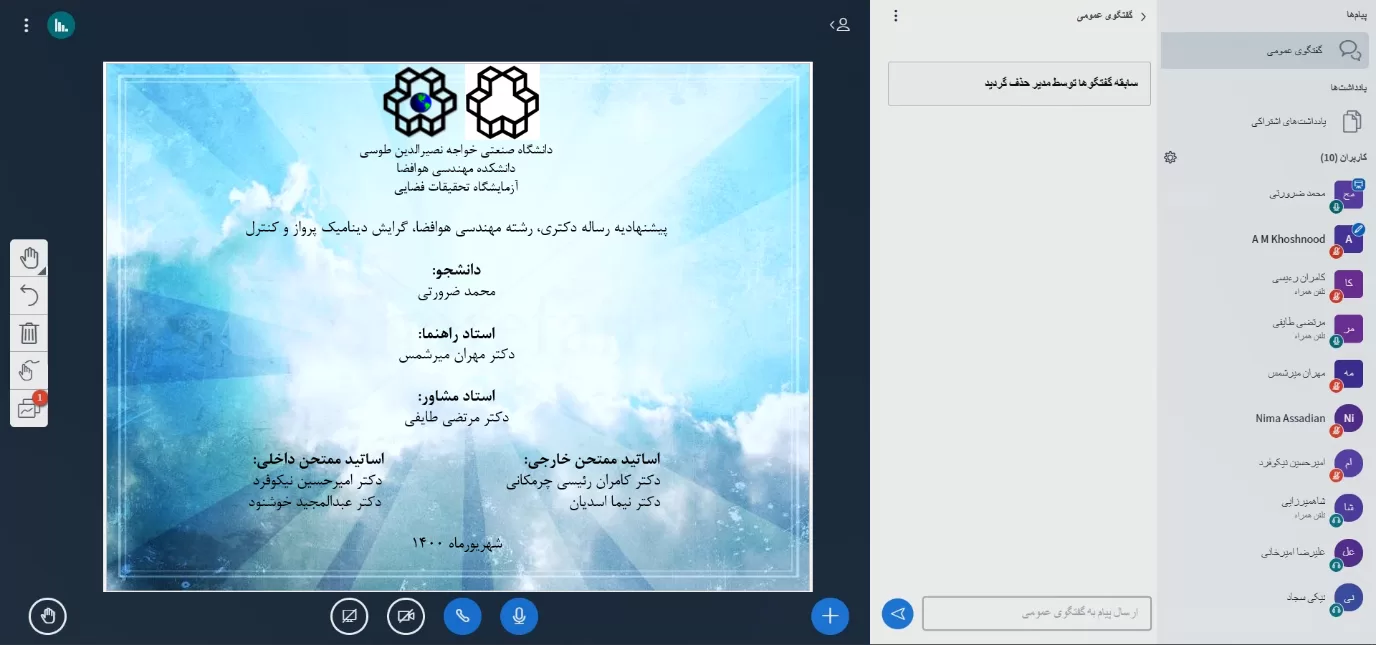
A PhD Thesis Proposal Defense Session for Mohammad Zarourati

Title: Design of attitude controller for a remote sensing satellite in various imaging modes, with actuator fault tolerant and under-actuated conditions.

By Mohammad Zarourati

Supervisor: Dr. Mehran Mirshams

Advisor: Dr. Morteza Tayefi

Chairmen: Dr. Kamran Raissi Charmcani (Amirkabir University of Technology), Dr. Nima Assadian (Sharif University of Technology), Dr. Amirhossein Nikoofard (K. N. Toosi University of Technology), Dr. Abdolmajied Khoshnood (K. N. Toosi University of Technology)

September 15, 2021

“Cold Gas Nozzle measurement stand” operational tests.

Mr. Nojoomi, an intern in the Space Research Laboratory, completed his internship project “Cold Gas Nozzle measurement stand” and passed its operational tests.