



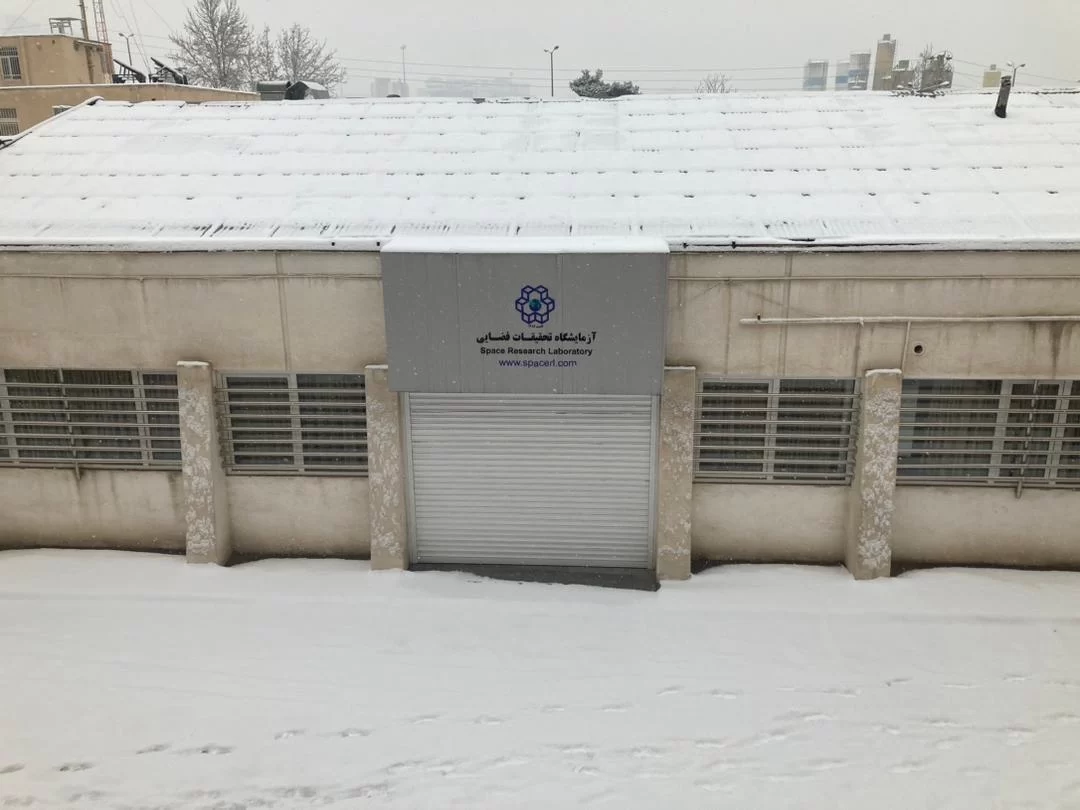
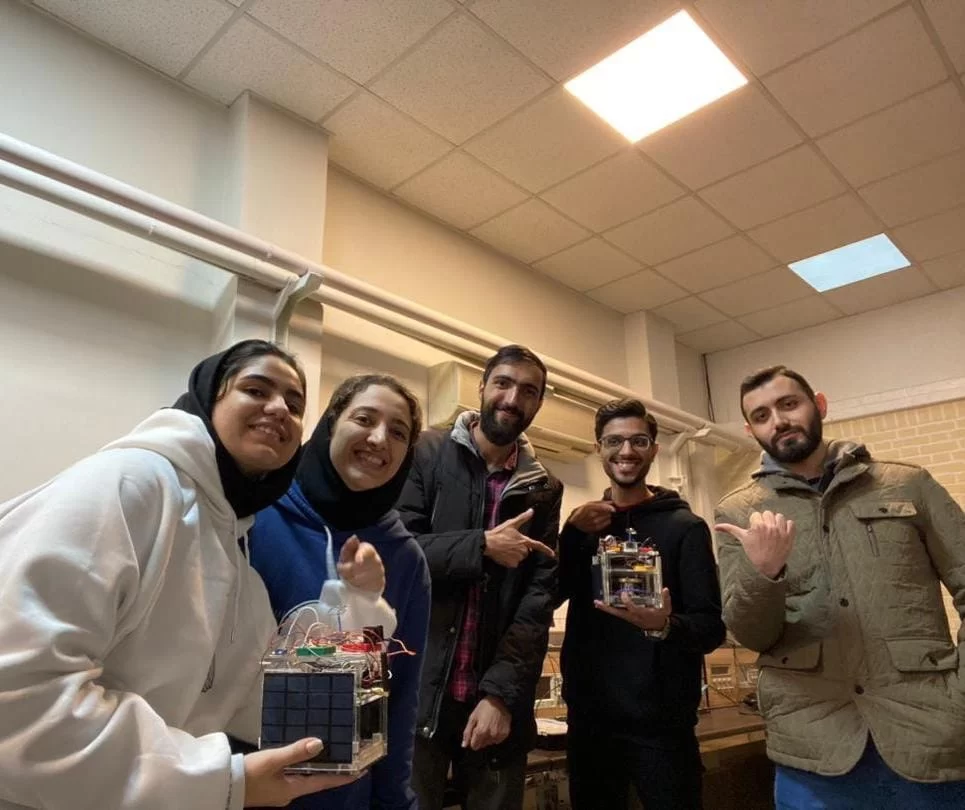
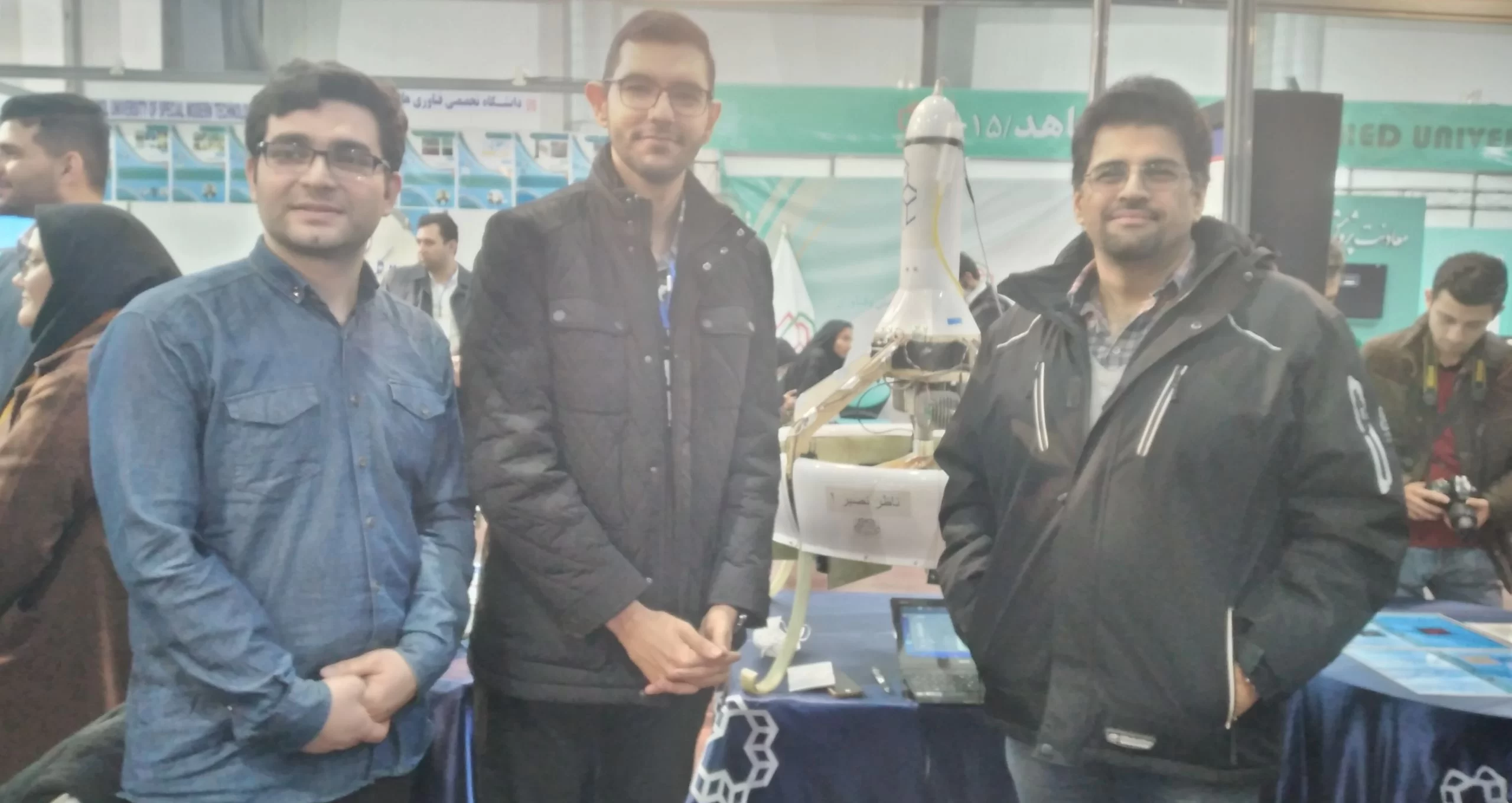
Students of Satellites System Engineering course have finished and presented successfully their hands on training Projects, under Niki Sajad advisory( second from the left).
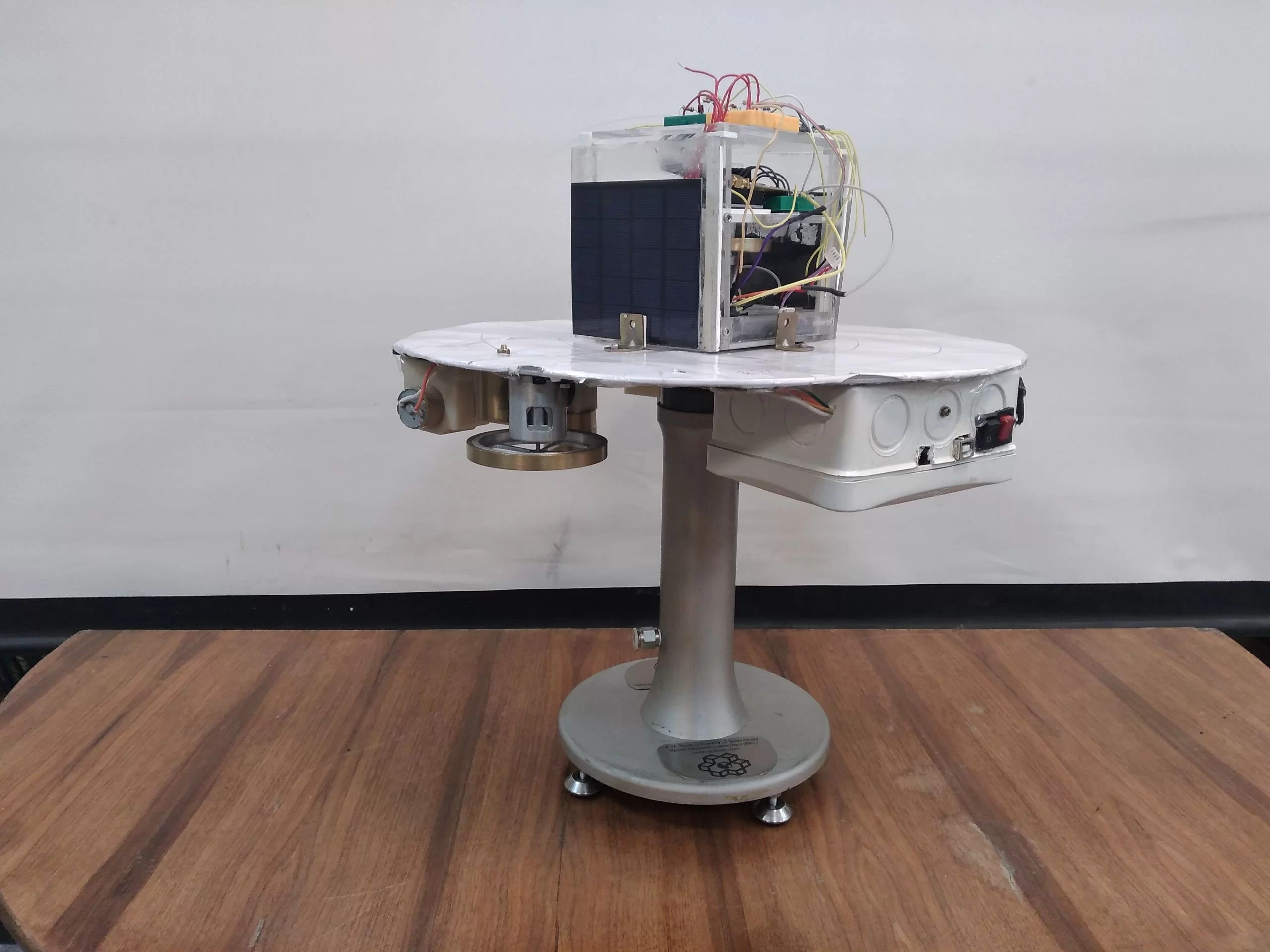
They have built ADCS, PG, Remote Sensing Sensor, and TC subsystems integrated them in a CubeSat model and tested it on a Air-bearing basement!
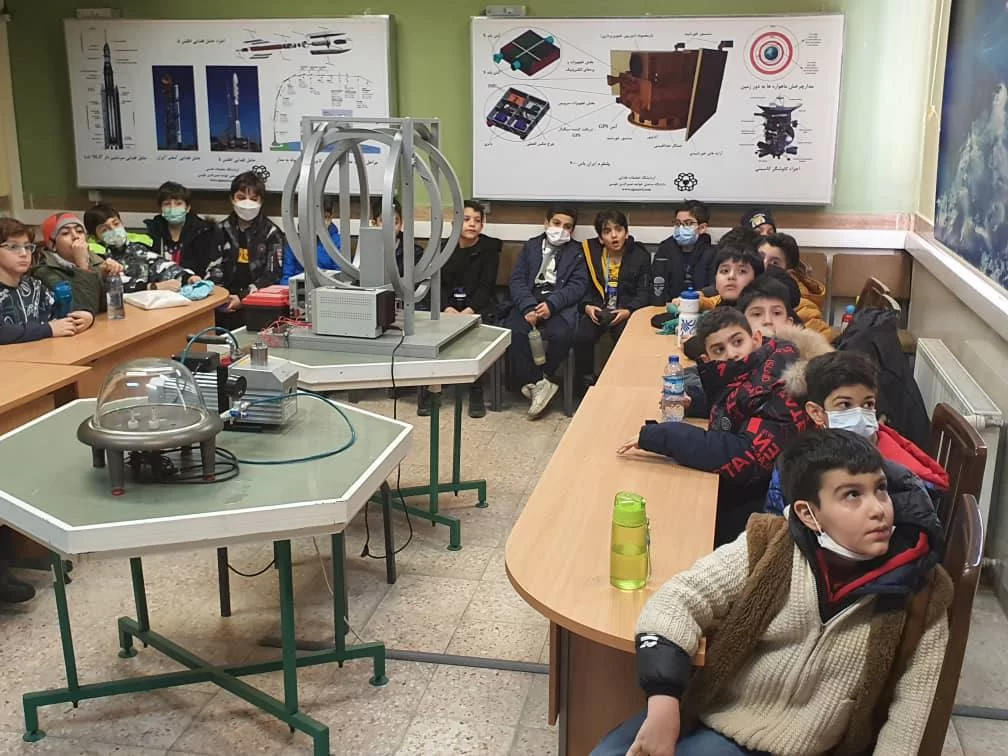
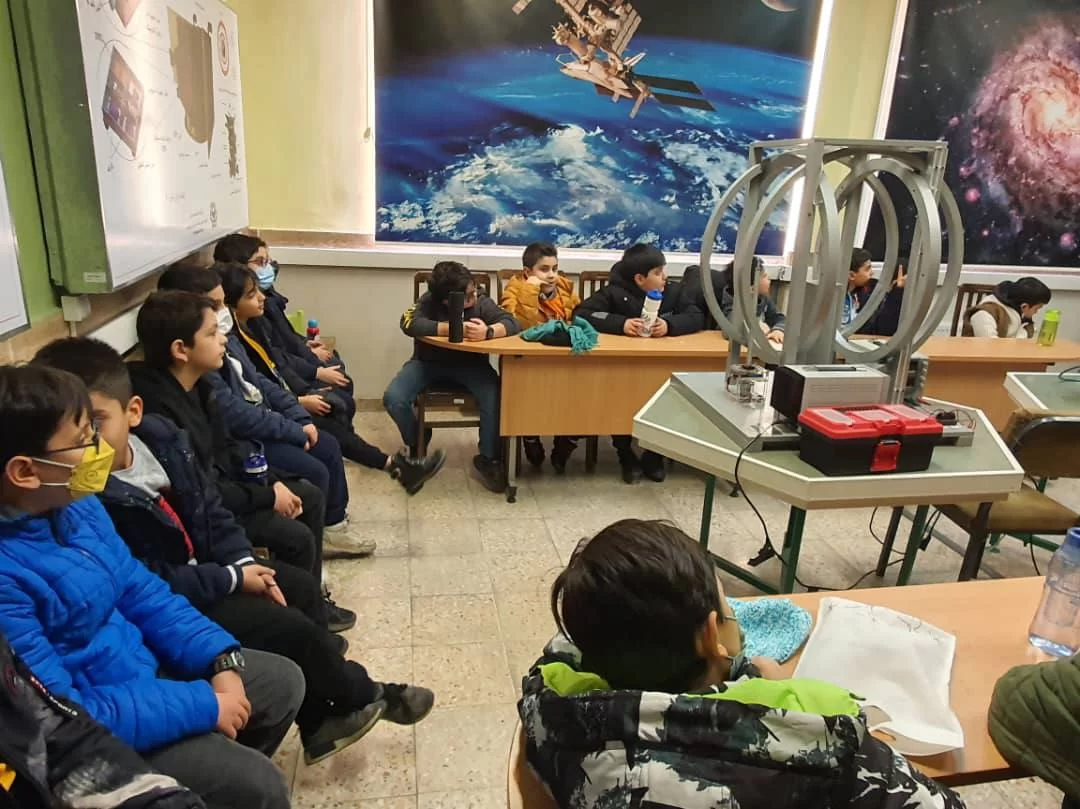
Soroush students visited The Space School Laboratory at Amirkabir Research Institute 11, January 2023




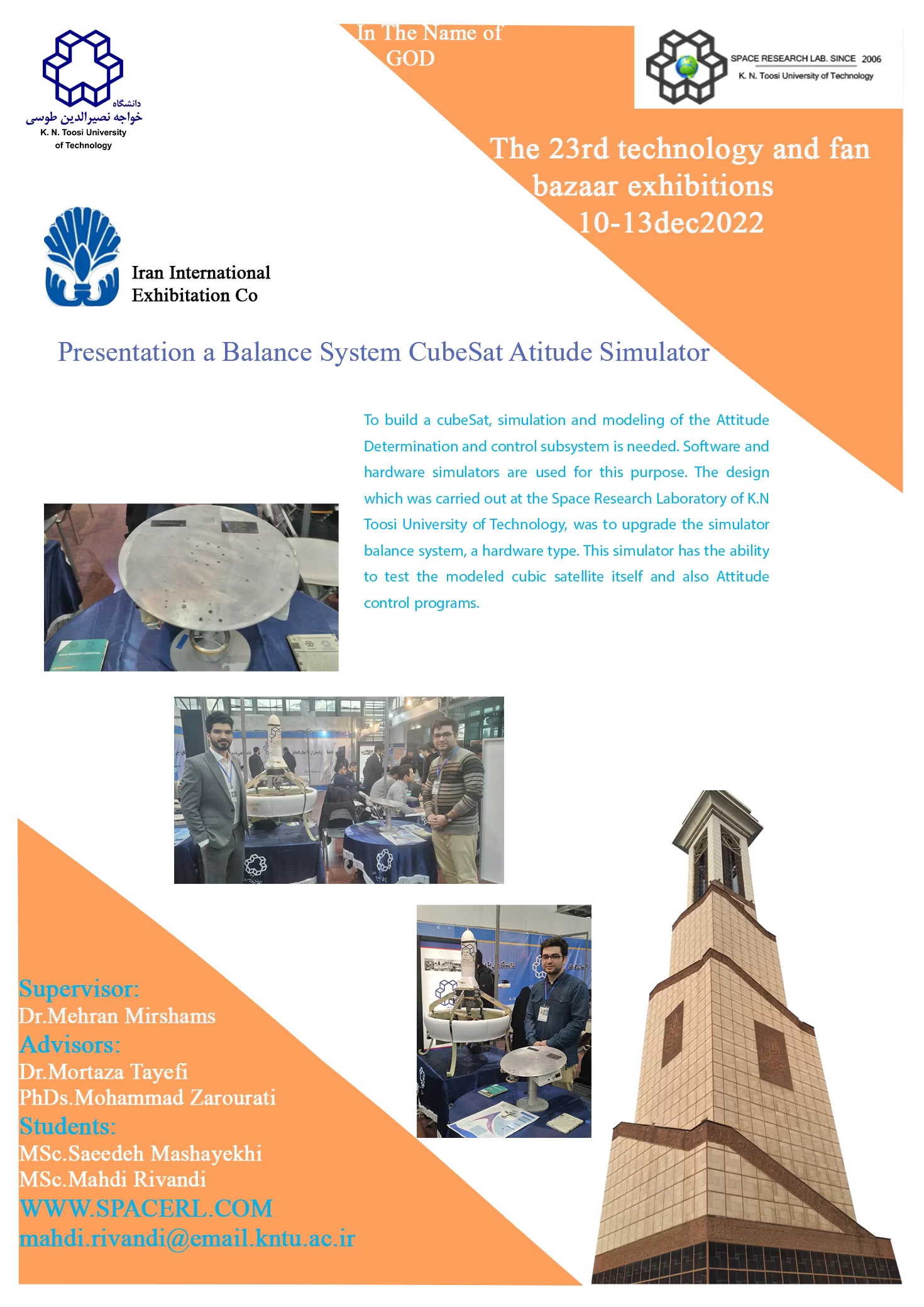
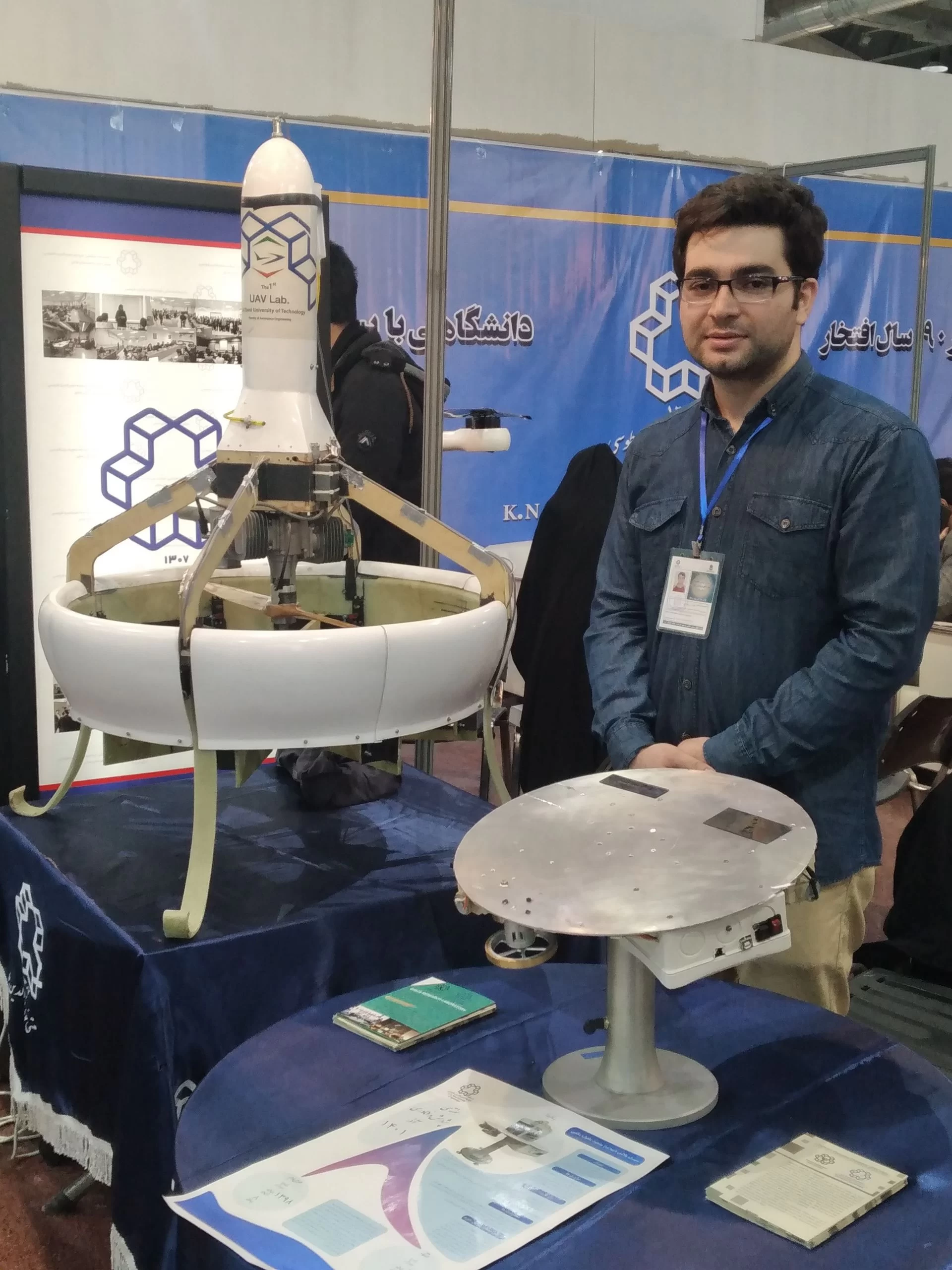
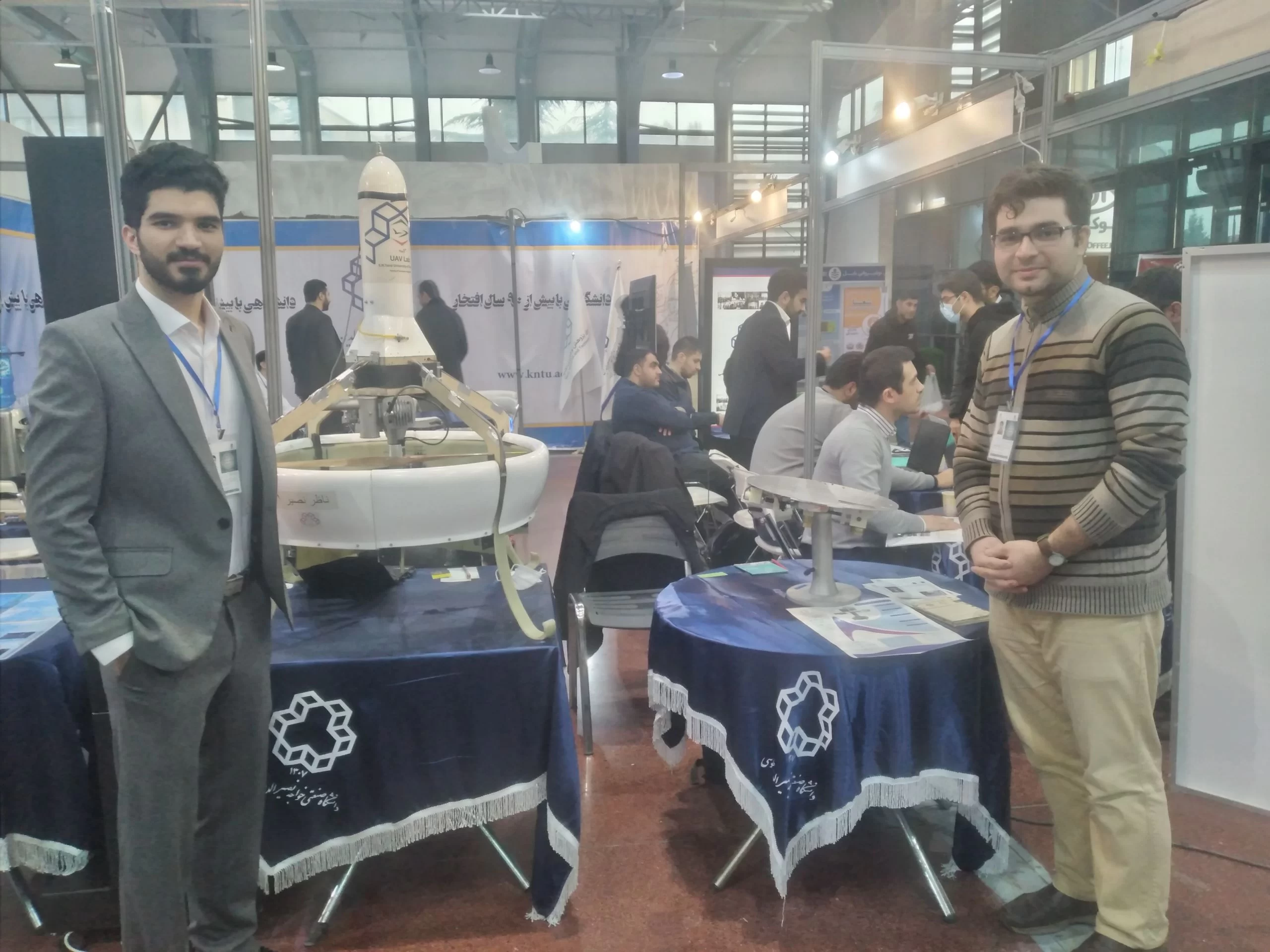
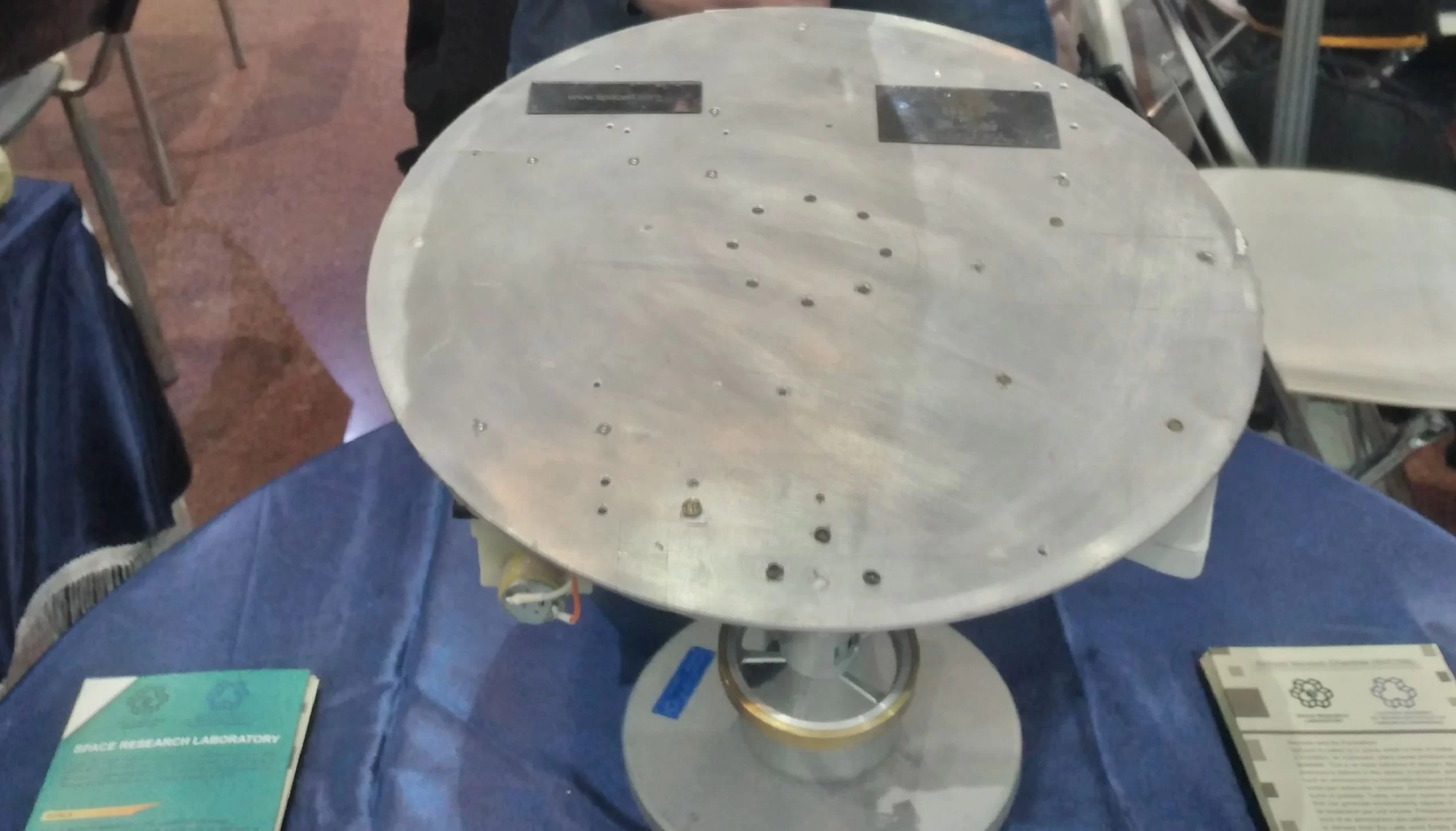
Purposes
1. Provides a balancing attitude for the CubeSat model.
2. Provided balanced status for attitude control programs.
Innovations
1. Satellite attitude control programs can be tested on it.
2. Reactive wheel is used as orientation and reduction of disturbances resulting from the movement of two horizontal actuators.
Usage
1. If used for attitude control programs of CubeSat without placing a CubeSat, the weight of the simulator is less than 3.5 kg, which reaches to a precision of 0.2 and 0.5 degrees for Euler roll and pitch angles, respectively.
2. If you use the hardware model of the CubeSat on the simulator and the maximum overload of 1.3 kg is suitable that its accuracy is lower.
Limitations
1. Due to lack of funding for supplying suitable parts, we had to use the existing parts in the laboratory, which we had problems in designing and implementing, and ultimately reduced the quality of this plan.
2. Providing basic conditions for this system is very important.
Industry needs in this field
With the increasing development and use in the world’s universities, Iran and the planning of the space organization to enter the design of constellation satellites , providing and upgrading this type of equipment for testing CubeSat in laboratories and companies operating in this field, can be very effective and efficient.
Title: Designing an adaptive robust observer for underactuation fault diagnosis of SSS-1 satellite.
By Mohammad Zarourati
Supervisor: Dr. Mehran Mirshams
Advisor: Dr. Morteza Tayefi
Chairmen: Dr. Abdolmajied Khoshnood (K. N. Toosi University of Technology)
December 11, 2022

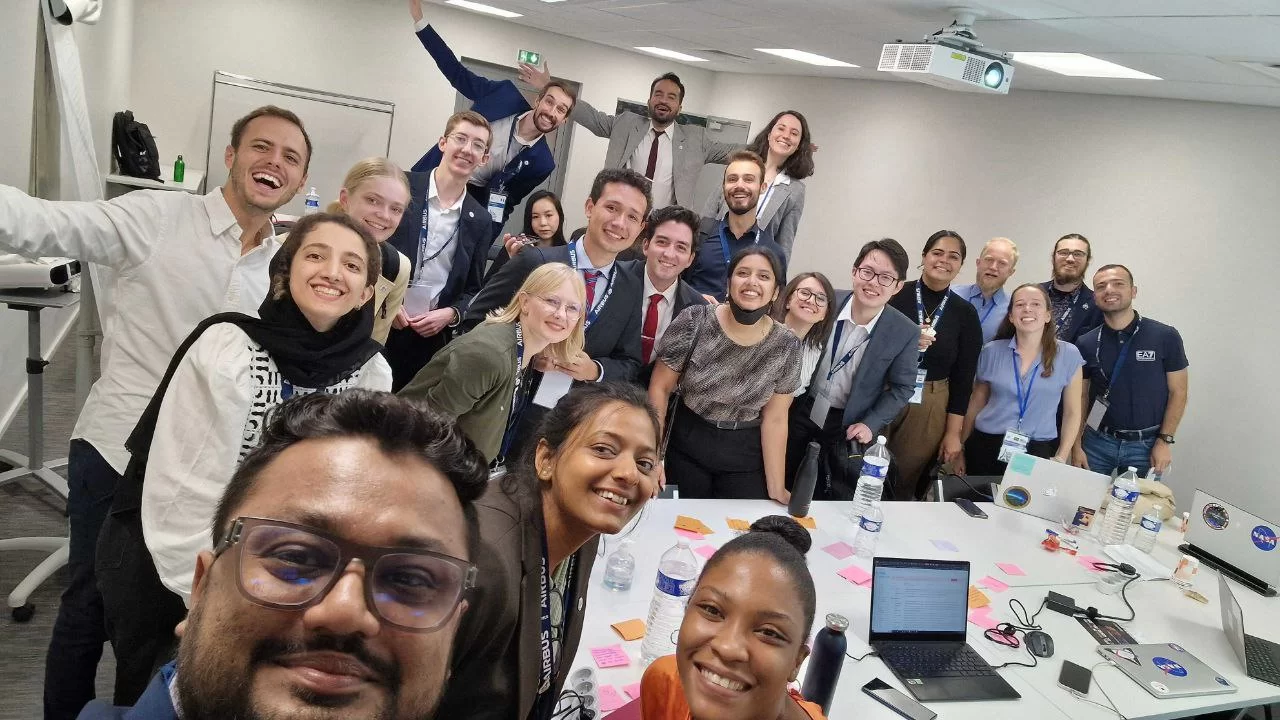
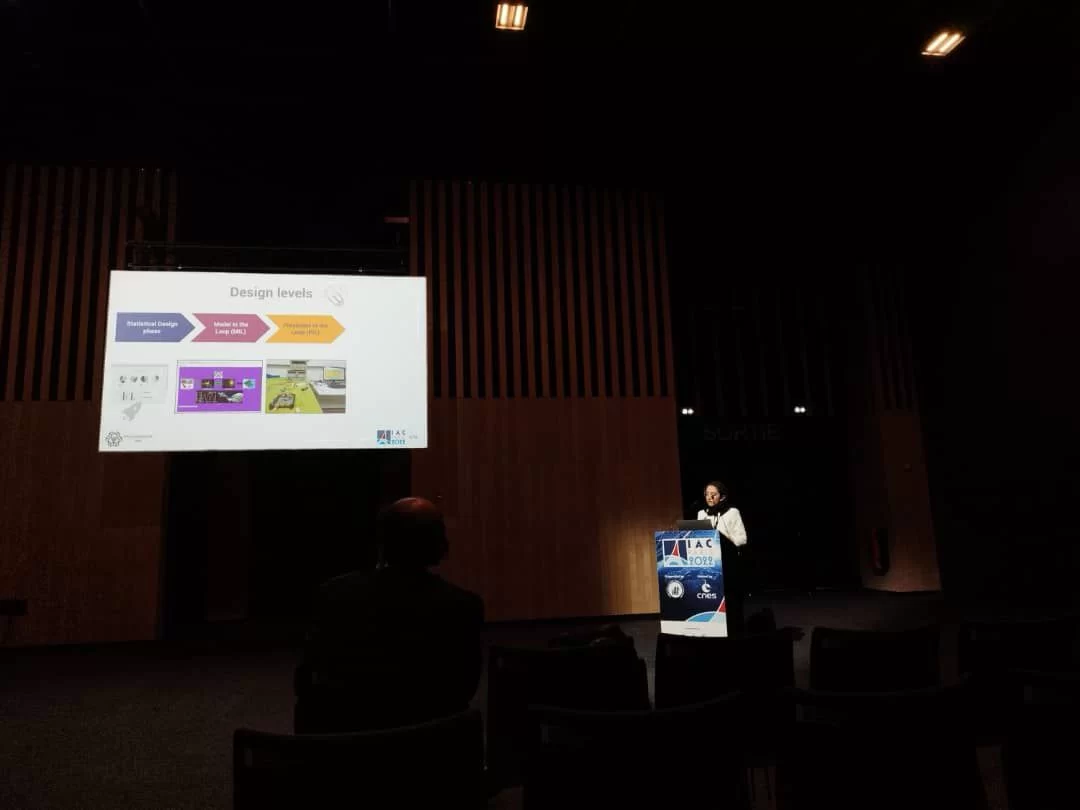
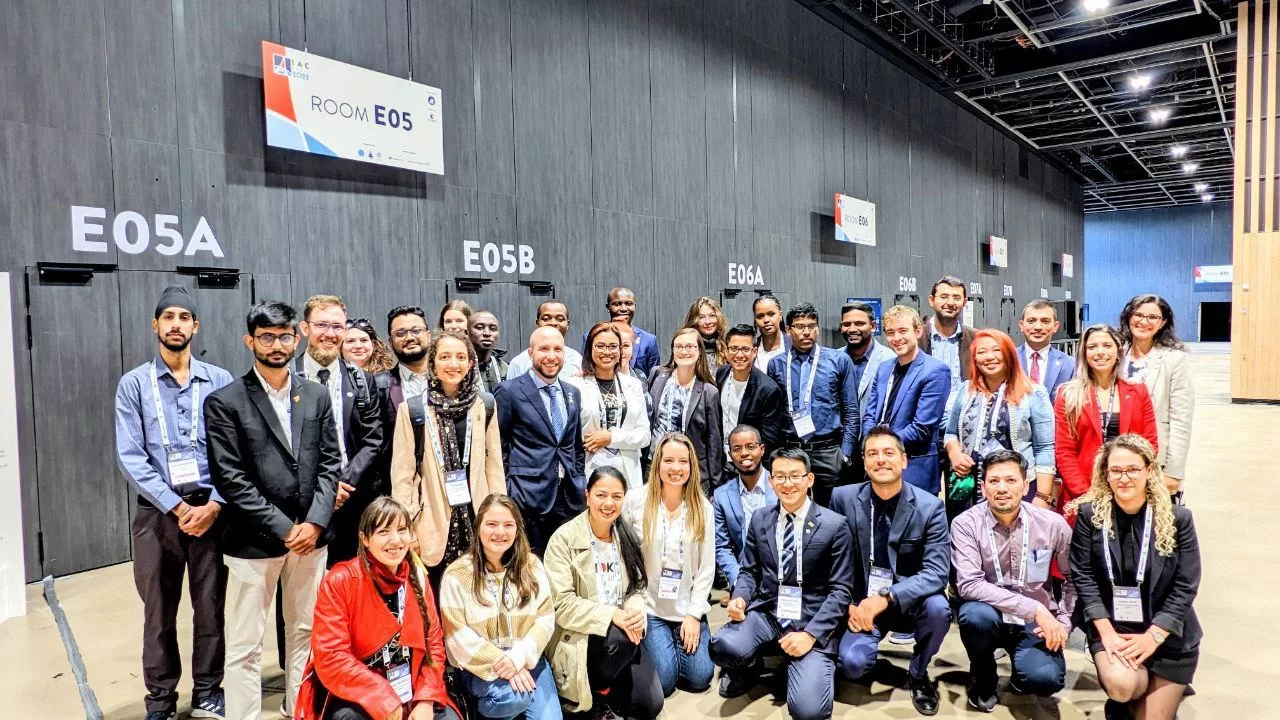
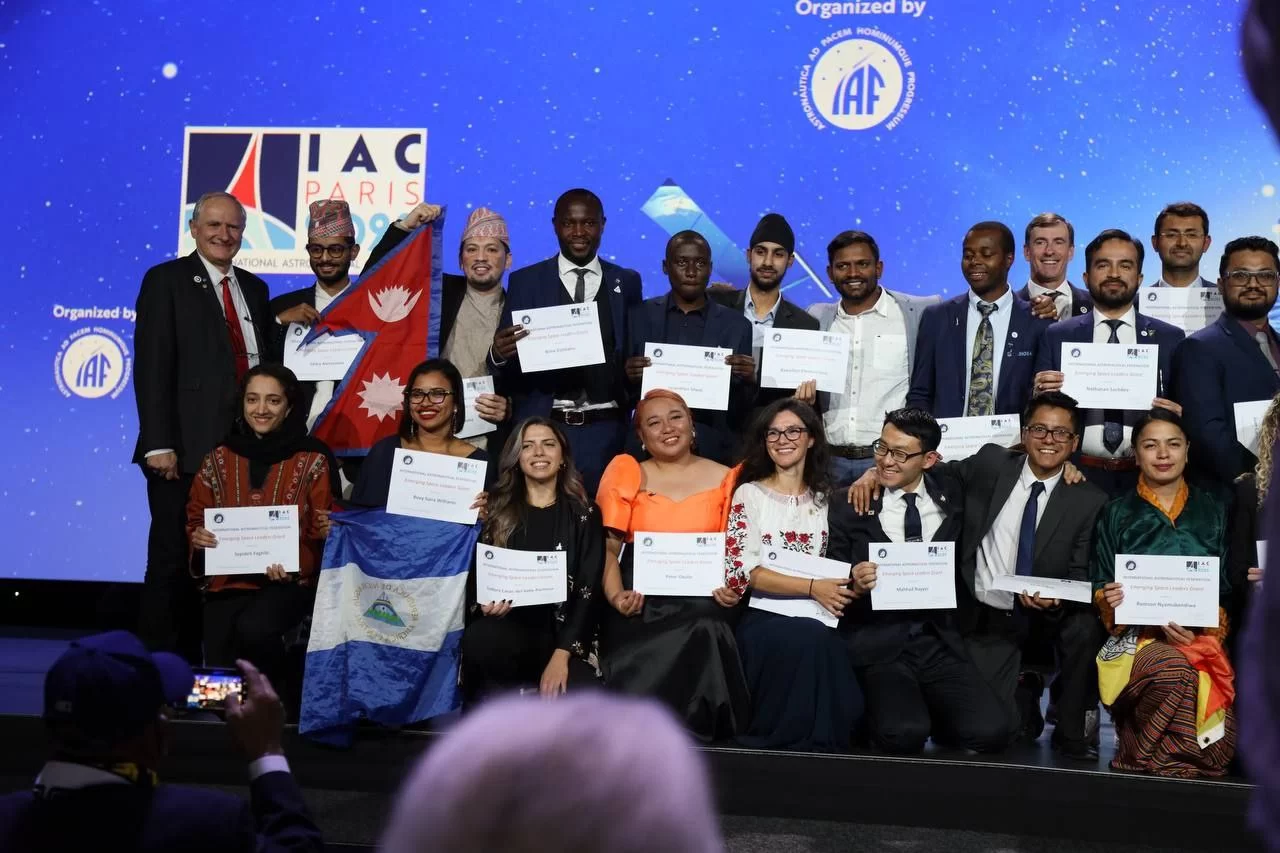
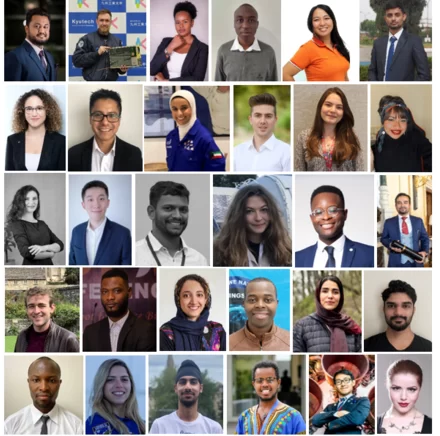
Niki Sajjad participated in the 20th Space Generation Congress (SGC) and the 73rd International Astronautical Congress (IAC) in Paris from 13 to 22 September. Niki was one of the 30 students and young professionals from across the globe to be selected as the 2022 IAF Emerging Space Leaders grantee and got an invaluable opportunity to network with experts and present her work in front of the key players in the space sector. She also won the SGC logo competition and could participate in this congress for the second consecutive year.
During the SGC, Niki participated in the Planet’s working group to address the importance of satellite data in achieving food security and UN SDGs. She also presented a paper at the Astrodynamics symposium and was a panelist in the Space and the Arts panel at the IAC.



In order to test the attitude control of a satellite, it is necessary to have attitude control simulator, and this simulator must also be placed in the condition of balance, including weight. This thesis was carried out in the form of simulation and implementation, to simulate the deviations caused by the difference between the center of mass and the center of rotation, And also the movement of two horizontal operators, which causes rotational and vortex movement in the balance system, is entered as a disturbance in the balance system. For simulation, PID closed loop controller was chosen for three axes. Implementation based on the same observational models, time settings and experimental coefficients, without using control coefficients with an accuracy of 0.2 and 0.5 under Euler angles; the roll and twist became stable in 25 seconds, the presence of the third axis did not have a positive effect on the balance system. Moving masses were used for the horizontal axis, in which we see the roll and pitch changes, and for the third axis, in which we see the yaw changes, a reaction wheel was used.
Congratulations, Niki Sajad, PhD student and the head of SRL ‘s simulation office has been awarded by IAC2022 ,
Read more
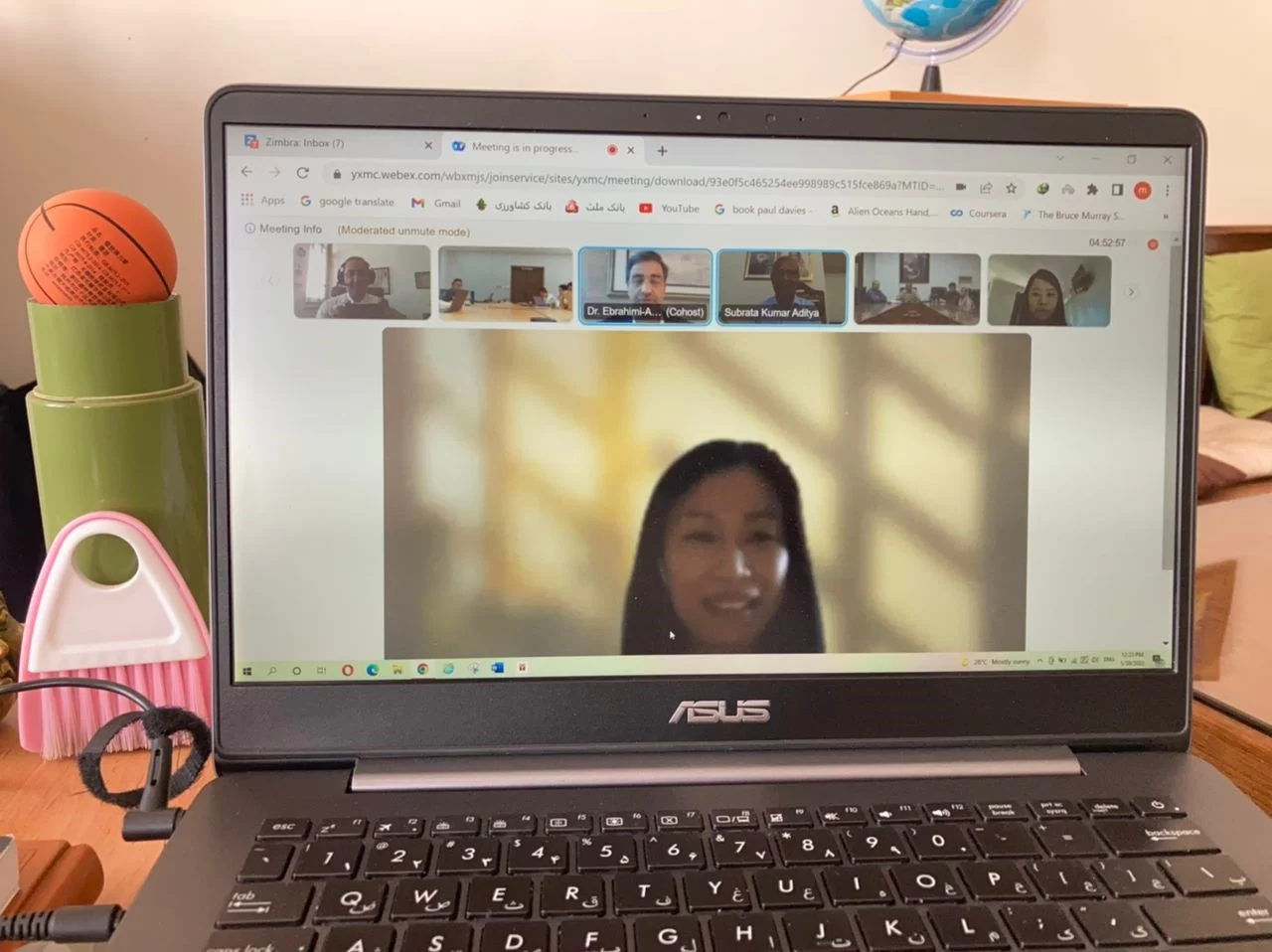
APSCO SSS project FRR meeting started!
More info
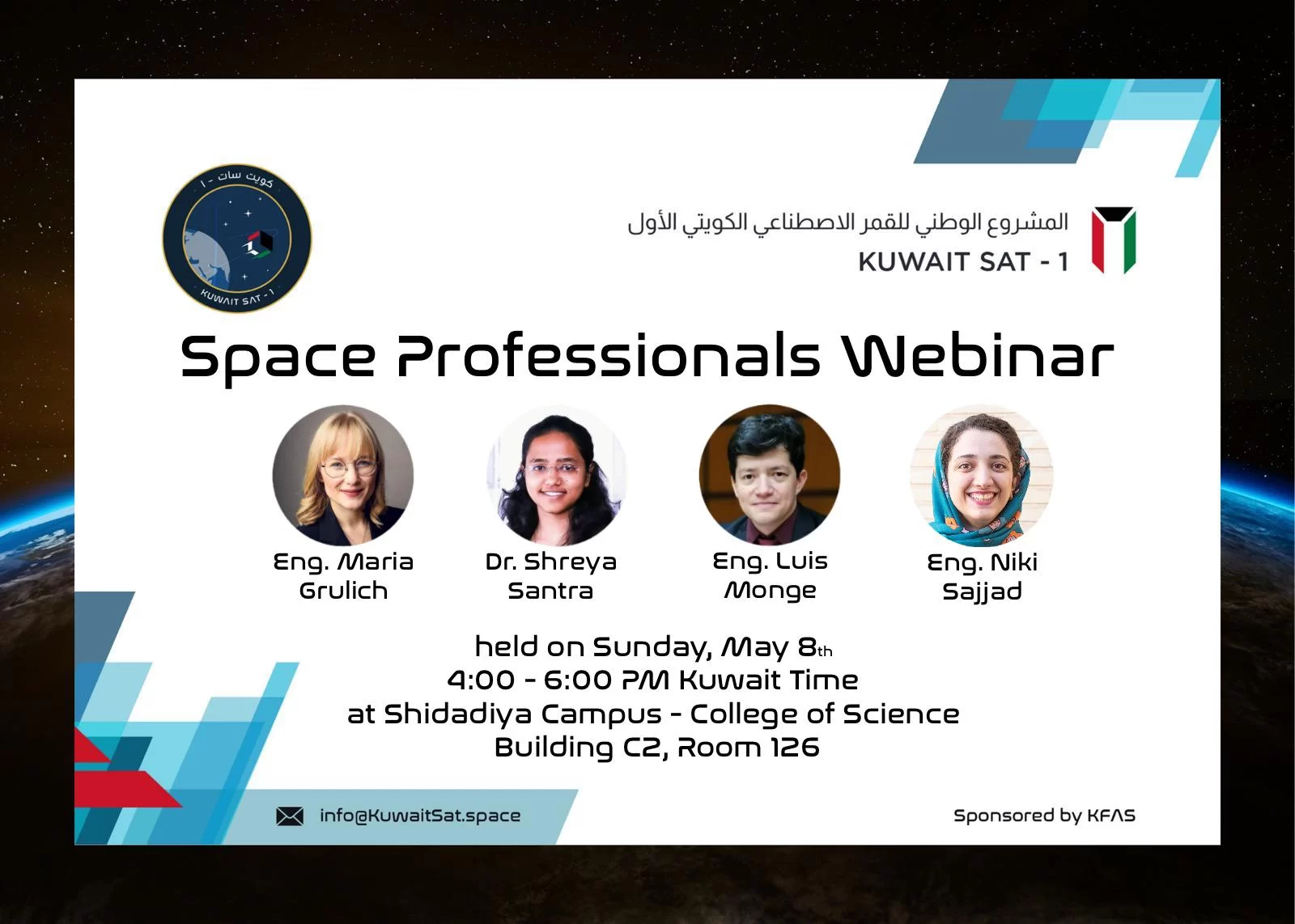
Space Professionals Webinar
Held on Sunday, May 8th
4:00 – 6:00 PM Kuwait Time