
+98 21 77334133
Contact Us

A Thesis Defense Session for MSc/Zahra Hoodan

Title: CubeSat Lunar Mission Design

By Zahra Hoodan
Supervisor: Dr. Mehran Mirshams
Chairmen: Dr. Hasan Naseh (Aerospace Research Institute), Dr. Mahdi Jafari Nadoushan (K. N. Toosi University of Technology)
September 12, 2018

Space exploration and travelling to The Moon and Mars, was the topic of world space week in 2017, and also the 2019-year theme will be “The Moon: Gateway to the stars”. Furthermore, the space society’s approach to using cubesats and the KNTU student cubesat team Nasir-1’s participating in student Iranian cube competition from ISA, were the starting point to formation of this thesis idea “Lunar Mission Design with a cubesat”. Thesis Submitted in Partial Fulfillment of the Requirements for the Degree of Master of Science (M.Sc.) in Aerospace Structures Engineering.

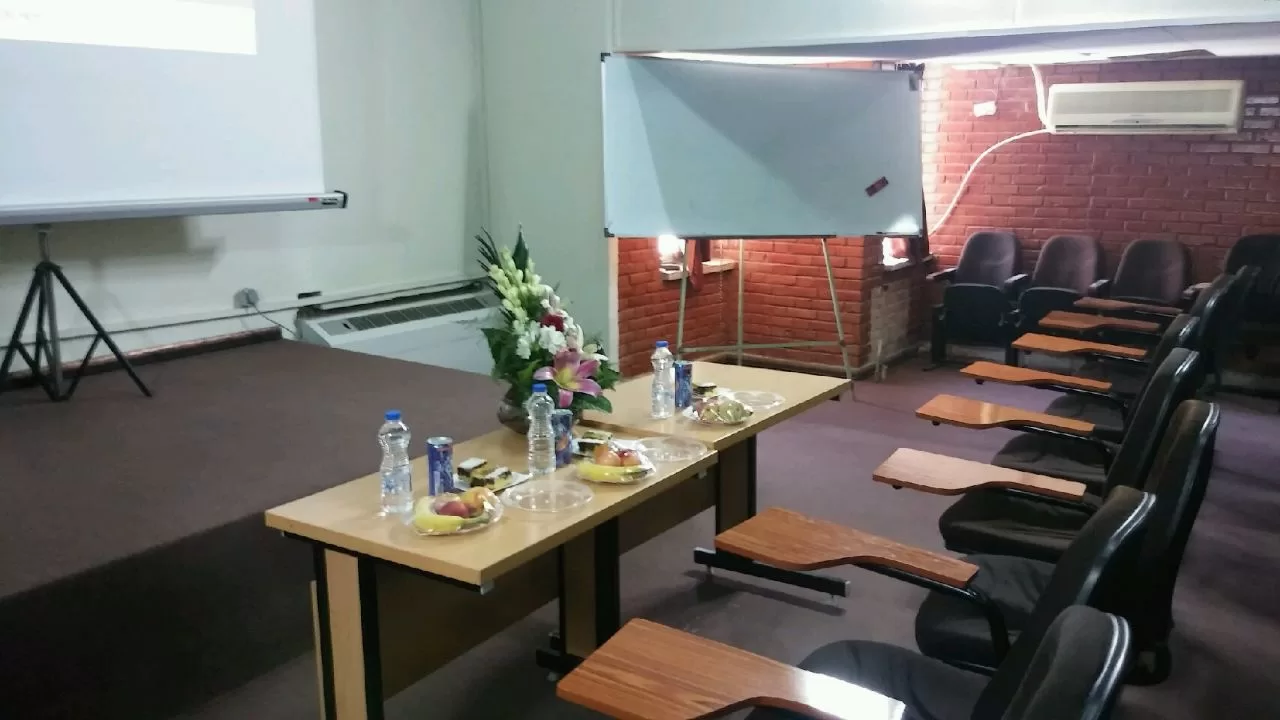
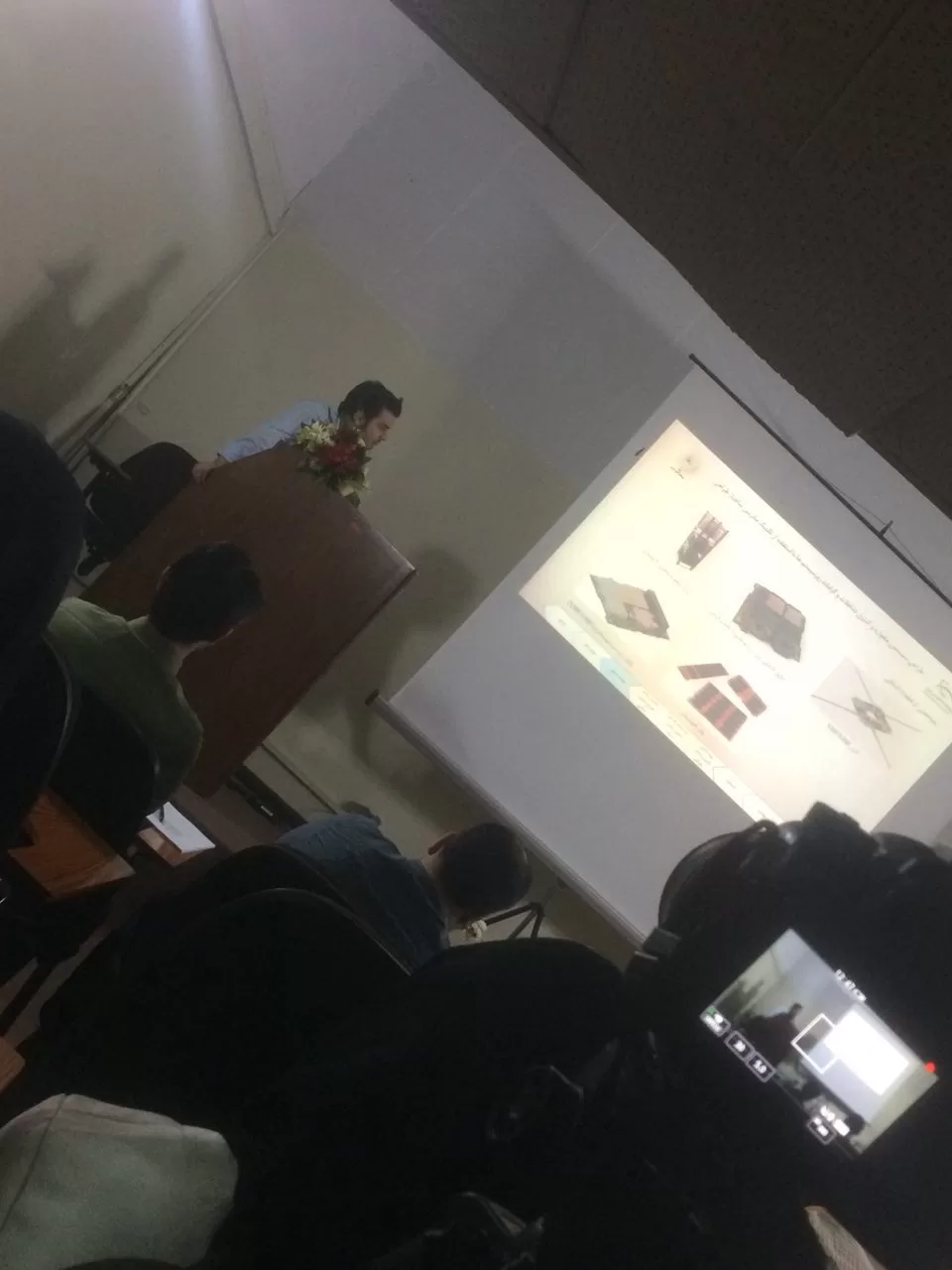
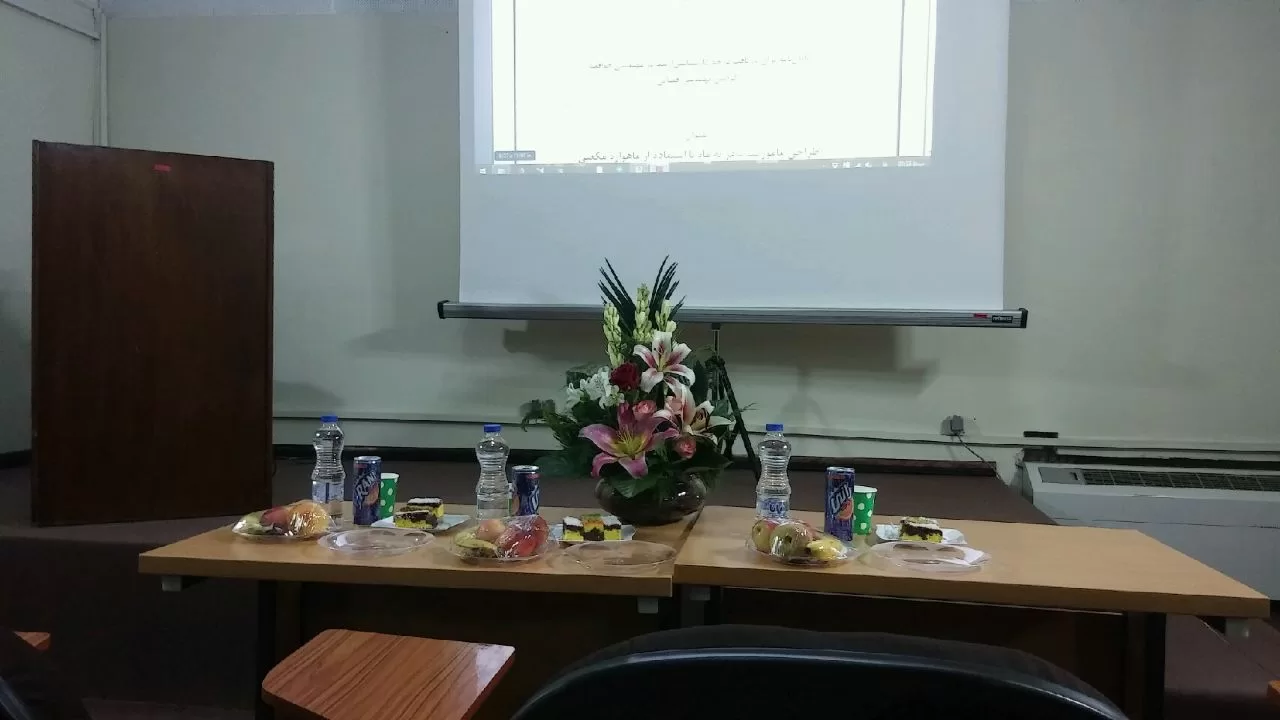
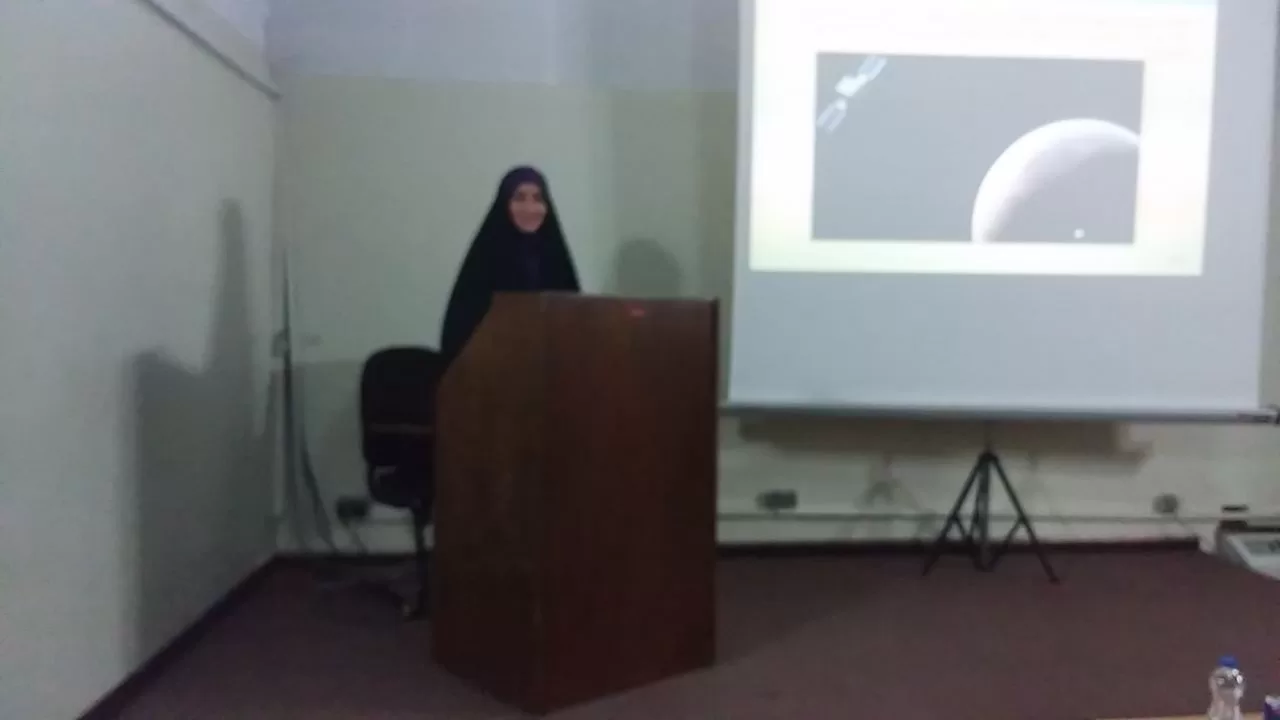
The presentation session of this thesis was held on 12th of September 2018 in KNTU, with the presence of supervisor of thesis, Dr. Mirshams, and the chairmen Dr. Jafari Nadushan and Dr. Naseh. The provider of this thesis was Engineer Mrs. Zahra Hoodan. In this thesis, the idea of having a mission to Moon using a cubesat and the process of mission design according to the defined steps, is presented. This process starts with presenting the mission definition and describing the parts that forms a mission. The mission analysis consists of describing the lunar mission objectives and constraints and also the idea of using Iranian Launch Vehicle, considering the mass constraint of third stage. The mission objective is technology demonstration and sending practical signal from lunar orbit. By defining mission concept elements, the mission analysis starts by defining orbit transfer and designing lunar trajectory and also calculating delta velocity budget for orbit part. After estimating mass budget of launch vehicles` third stage, the payload mass and dimensions of cubesats are determined. A brief description of cubesat subsystems characteristics is proposed, namely cubesat concept. The verification of project is done with STK software in order to design transfer trajectory and implement trajectory scenario.
A Thesis Defense Session for MSc/Sara Mirshekari

Title: GEO communication satellites reliability analysis based on operational life

By Sara Mirshekari
Supervisor: Dr. Mehran Mirshams
Advisor: Dr. Ehsan Zabihian
Chairman: Dr. Saeid Irani (K. N. Toosi University of Technology), Dr. Hasan Naseh (Aerospace Research Institute)
September 11, 2018

Abstract:

The geosynchronous satellites as a complicated system with high lifetime in order to design and manufacturing need to certain and step by step process allocation and analysis of reliability. Regard to type and importance of mission complexity, operational longevity and also impossibility for repairing and maintaining at time of operation, it is very important to consider all aspects (dimensions) of failure and possible mistakes in function of subsystems and equipments in different modes and phases of mission. because of what mentioned above, it led to attract attention in order to diagnosing and analyzing failure sources in design and manufacturing phases and also regard to complexity of design and number of subsystems has caused to become difficult and complicated analysis and allocation of reliability.

The purpose of this thesis is, presentation a comprehensive process for analysis and allocation of satellite reliability according to functional life.The presented process is combination of statistical methods and FMECA, FTA, RBD. It has the ability to present process of reliability allocation for a complicated system in different phases of design. Accuracy of presented method in this thesis was validated with two ways included: analytic and numerical. For analytic validation was used Kaplan-Meier method and numerical validation was done by using of a sample satellite. Inaccuracy of this process was less than five precent.

A Thesis Defense Session for MSc/Parsa Abbas Rezaei

Title: Conceptual design of GEO communication all electric satellite

By Parsa Abbas Rezaei
Supervisor: Dr. Mehran Mirshams
Advisor: Soheil S. Zamani
Chairmen: Dr. Ali Jafarsalehi, Dr. Mahdi Jafari Nadoushan (K. N. Toosi University of Technology)
September 11, 2018

The purpose of this thesis is the conceptual design of all-electric telecommunication satellites in GEO orbits. The design method uses statistical and parametric modeling. Statistical models are based on data analysis of all telecommunication satellites, as well as hybrid and chemical, from 2015 to June 2018. Parametric models have been used to increase the accuracy of the underlying design with the combination of existing classical models. Design results for a complete electrical telecommunications satellite sample are presented and evaluated in the dissertation. The design of the satellites is also at the conceptual design level. In the parametric design of subsystems of this satellite, the masses and power budgets of this design are verified with original references with less than 15% error for each subsystem at the conceptual design level.

A Thesis Defense Session for MSc/Mahdi Bayat

Title: Systematic Design of a Satellite with Design Structure Matrix (DSM) Method

By Mahdi Bayat
Supervisor: Dr. Mehran Mirshams
Advisor: E. Sajad Ghazanfarnia
Chairman: 
September 11, 2018

Abstract

The purpose of this study is to introduce and propose design structure matrix in the conceptual designing phase for CubeSats. The designing process began from eliciting performance parameters and culminated in the formation of design structure matrix, determining dependencies and finally their optimization. Optimization of design structure matrix includes achieving designing sequence, control of interferences and designing parameters determined for the satellite. This method has been applied on a CubeSat with three units. Designing a three-unit CubeSat includes 61 performance parameters. These parameters have dependencies which have been considered in designing design structure matrix. After optimization of the qualitative relationships, quantitative designing of the parameters were conducted. After determining characteristics of the parameters and selection of the needed parts, technical budgets were proposed. Finally, the technical budgets were compared with the statistical data of the similar satellites and part selection and technical budgets were confirmed.

Key words: CubeSat, design structure matrix, systematic designing, performance parameters, controlling requirements and interferences

The 2nd APSCO Summer Camp

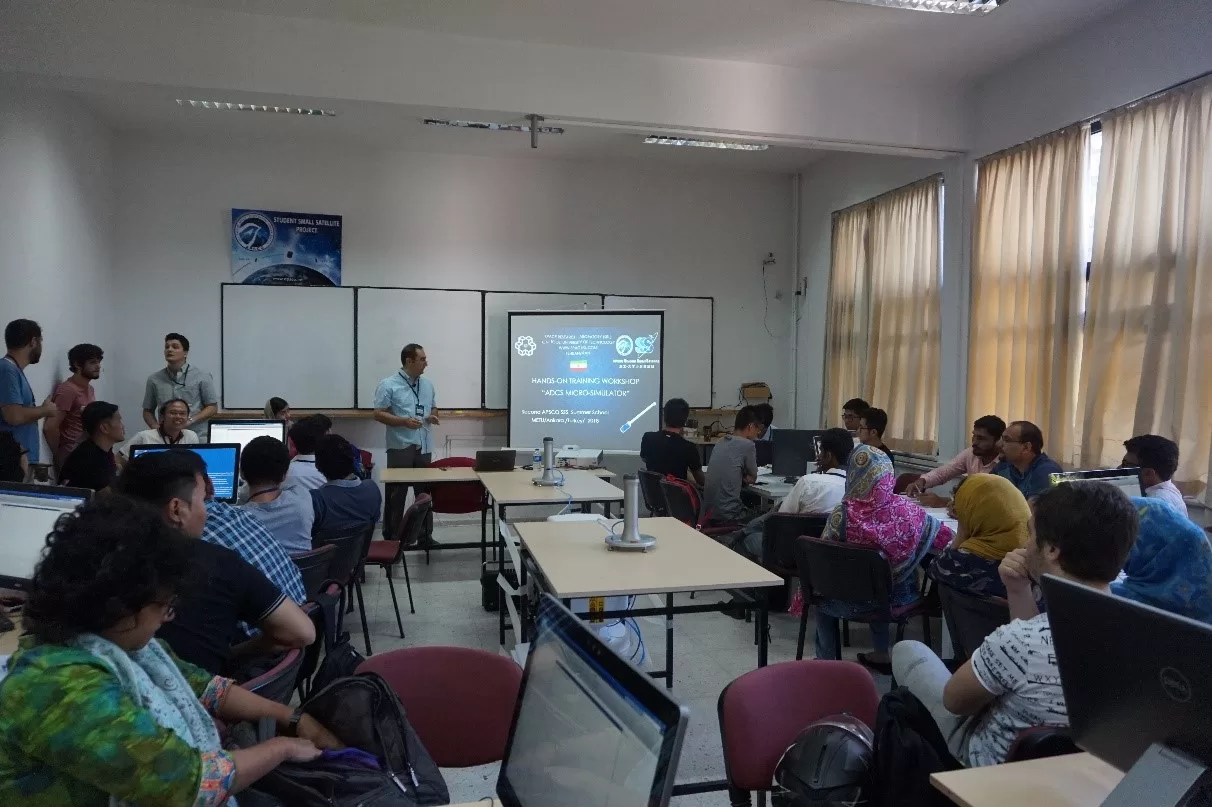
The Second Summer Camp of the APSCO Student Small Satellite (SSS) Project

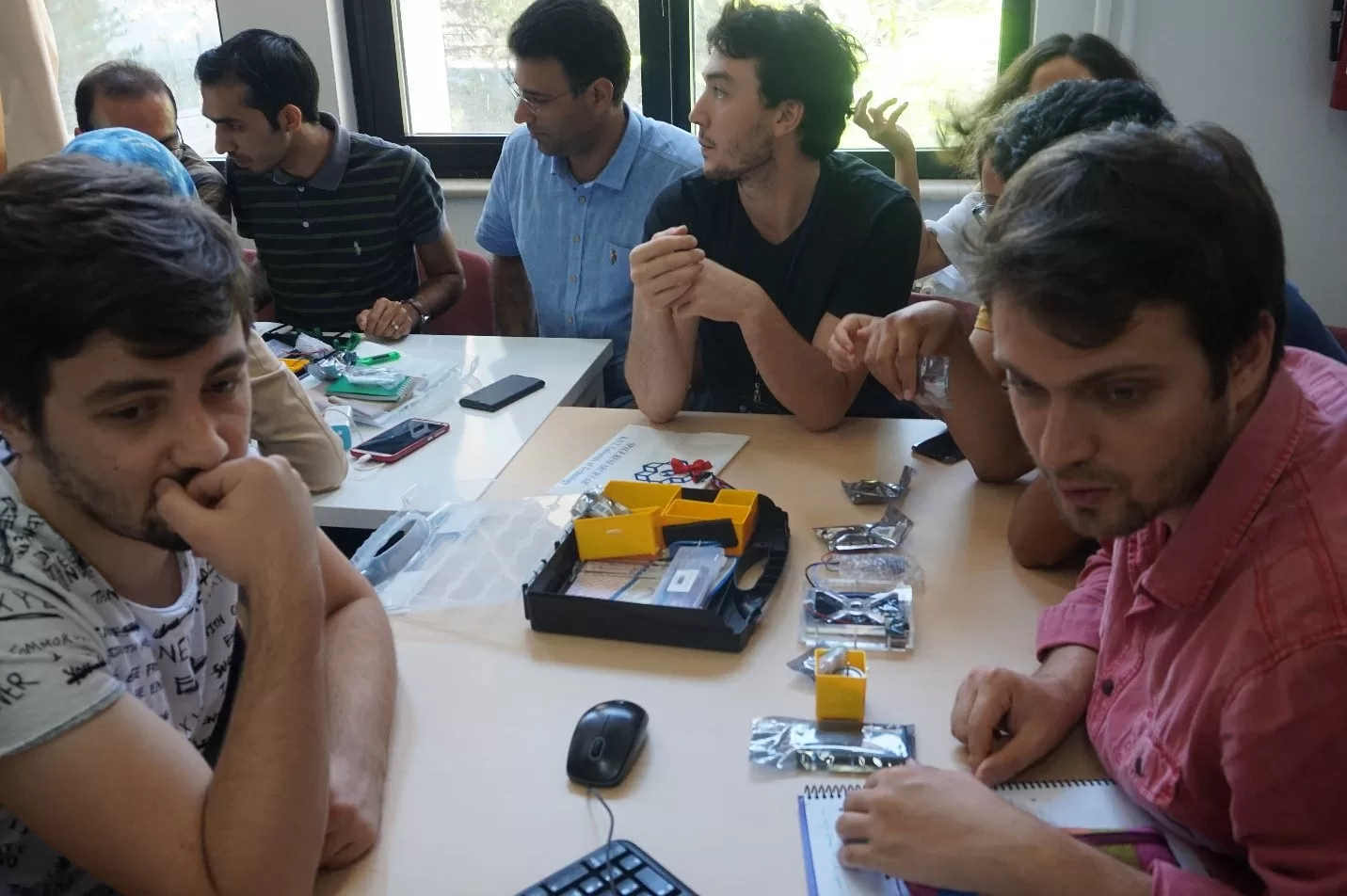
Lecturers from China and Iran was take part in the program. There were also a number of lecturers from METU (Middle East Technical University) and TUBİTAK-UZAY (Space Technologies and Research Institute of the Scientific and Technological Research Council of Turkey).

Fig1: 2nd APSCO Summer Camp

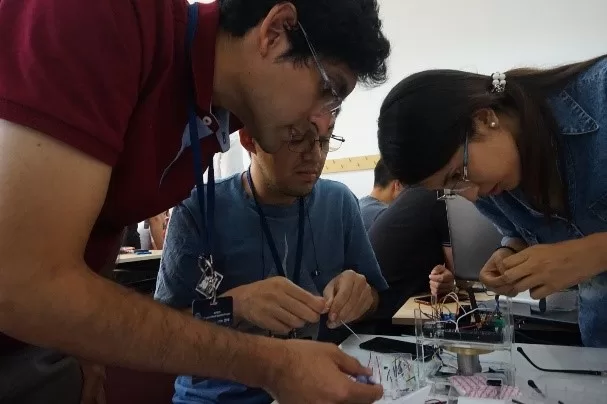
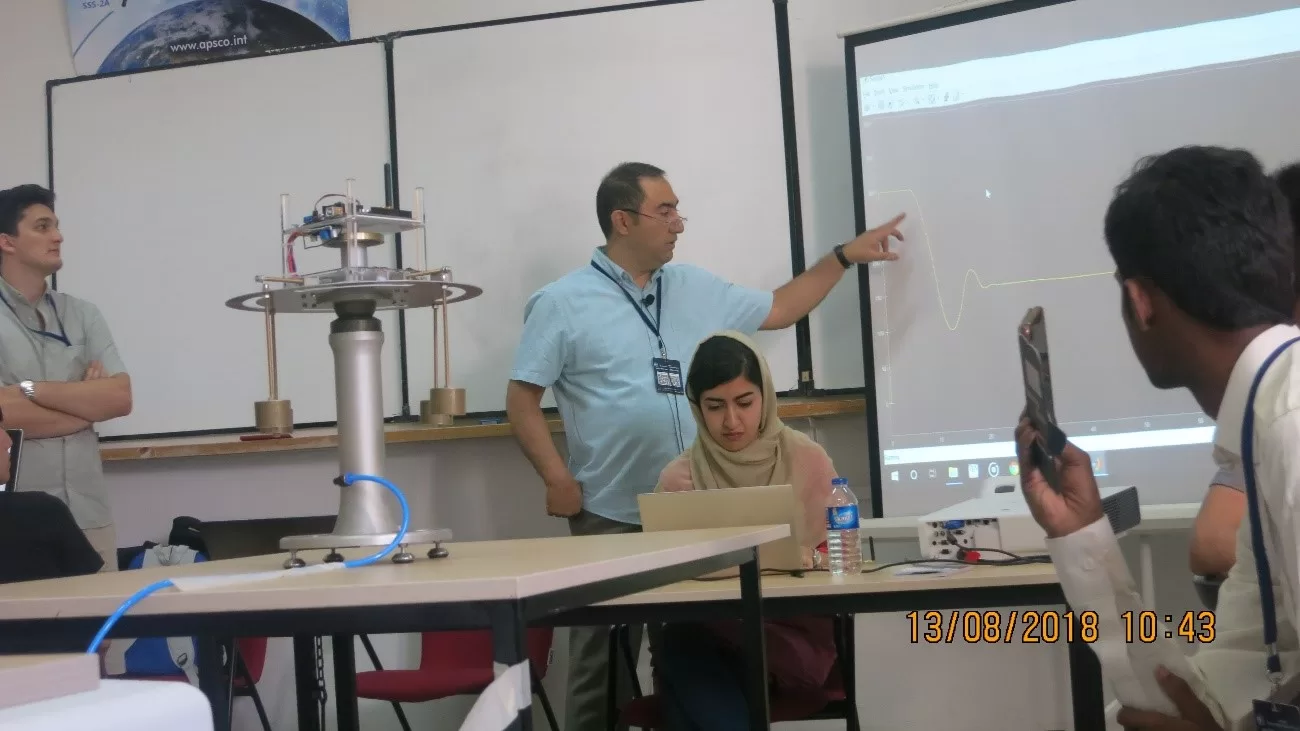
“ADCS Micro-simulator” HANDS-ON Training Workshop was held by doctor M. Mirshams on 13 and 14 August in the context of the second training camp project SSS APSCO (Fig2).

Fig2: Hands-On Training Workshop Micro-ADCS Simulator