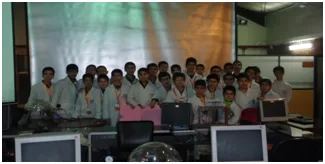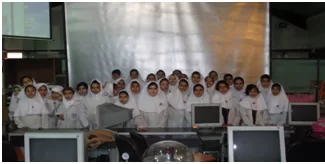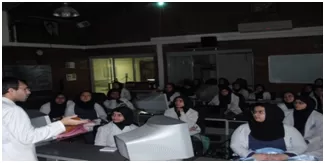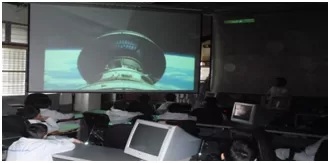

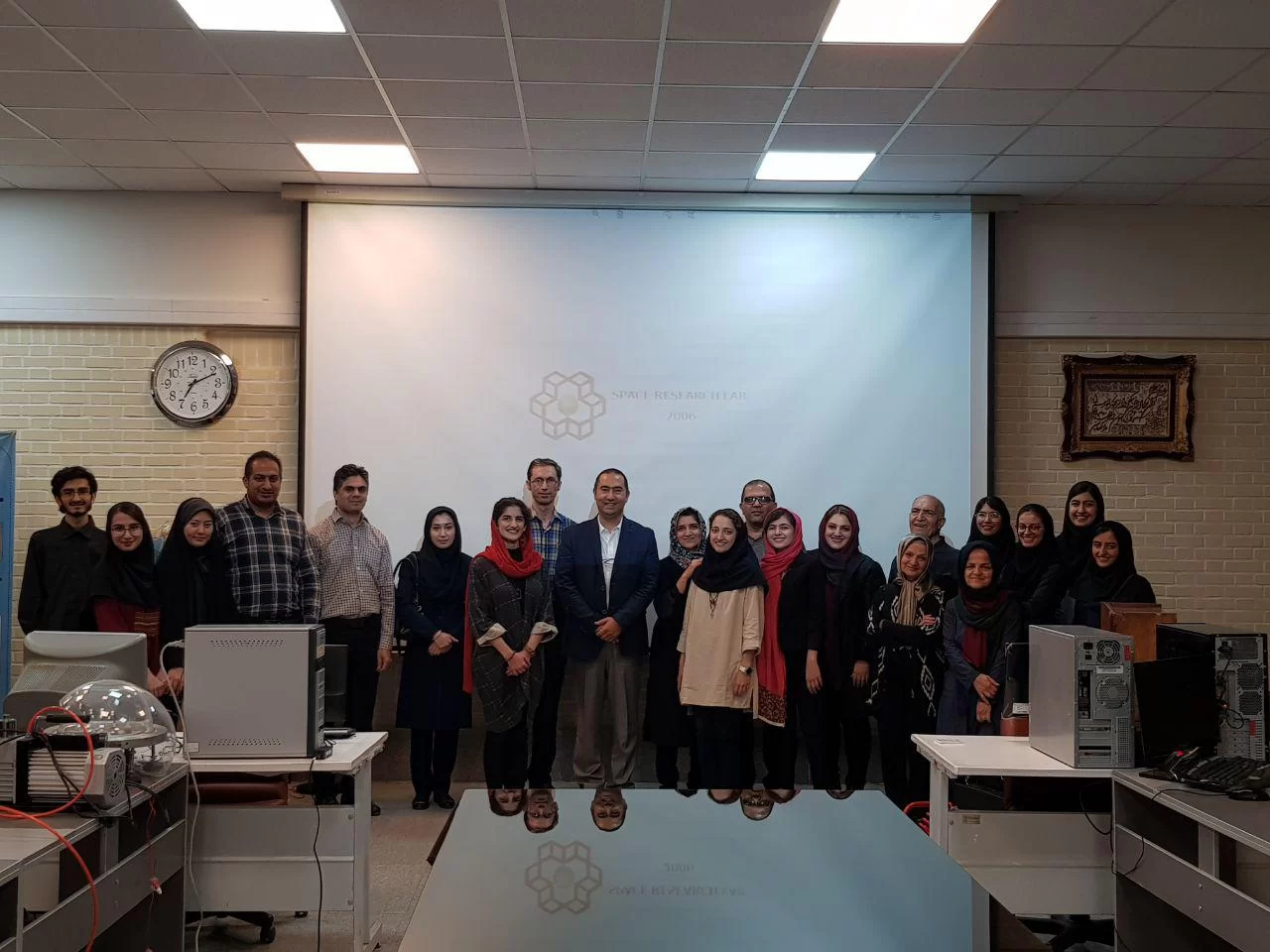
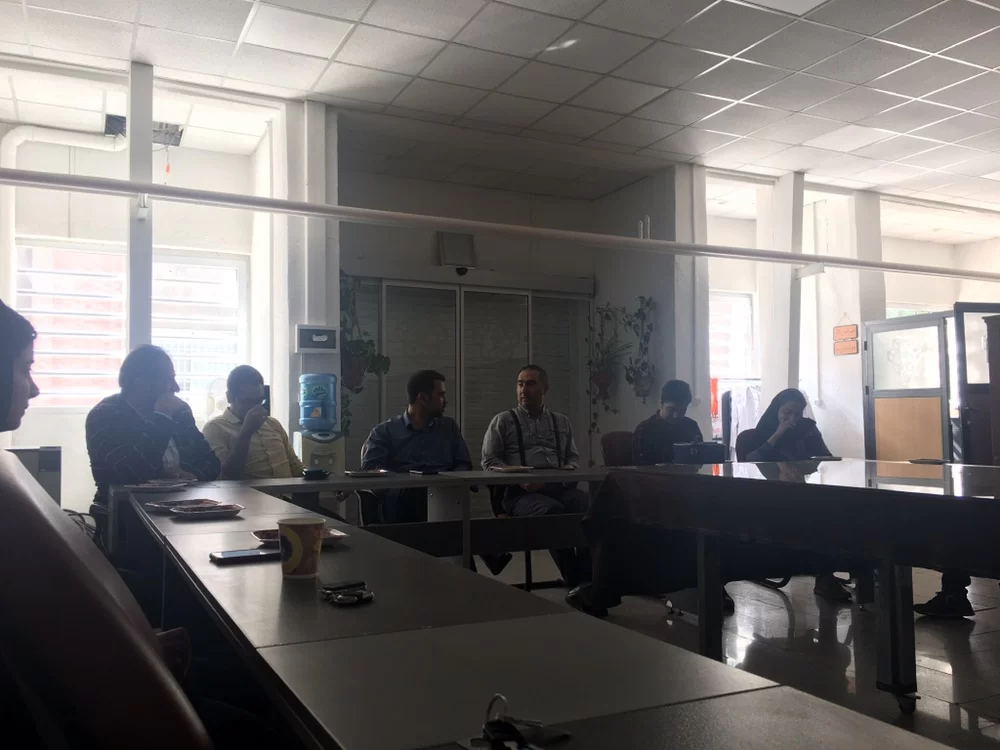
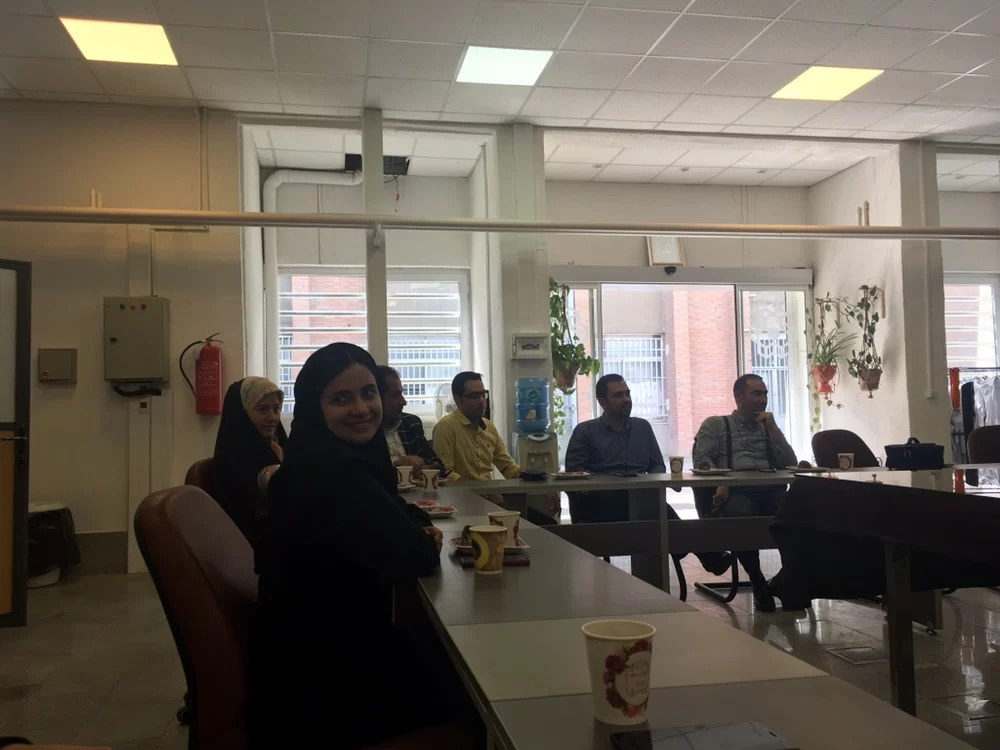
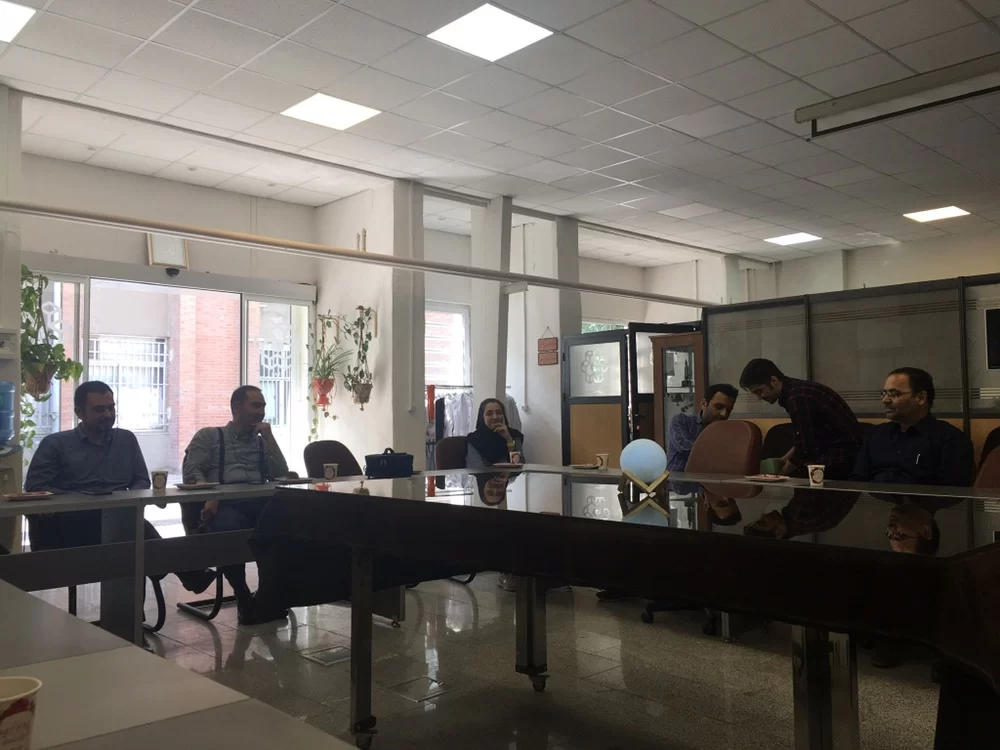
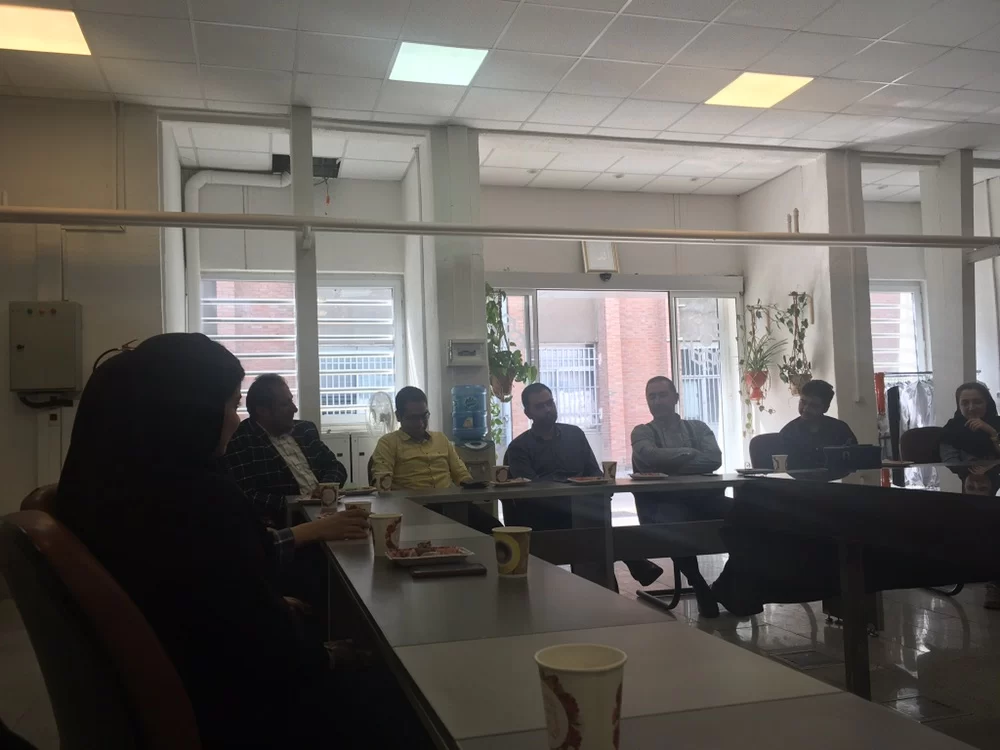
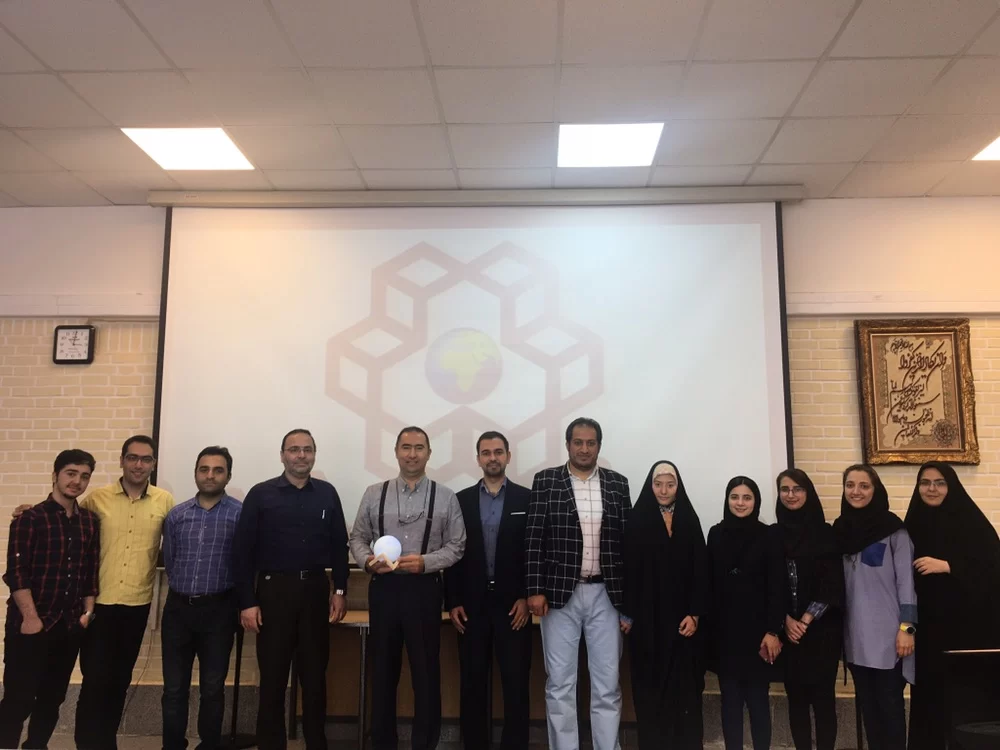
The Head of Iranian Space Agency, Dr. Morteza Barari visits space research lab on the occasion of World Space Week 2019
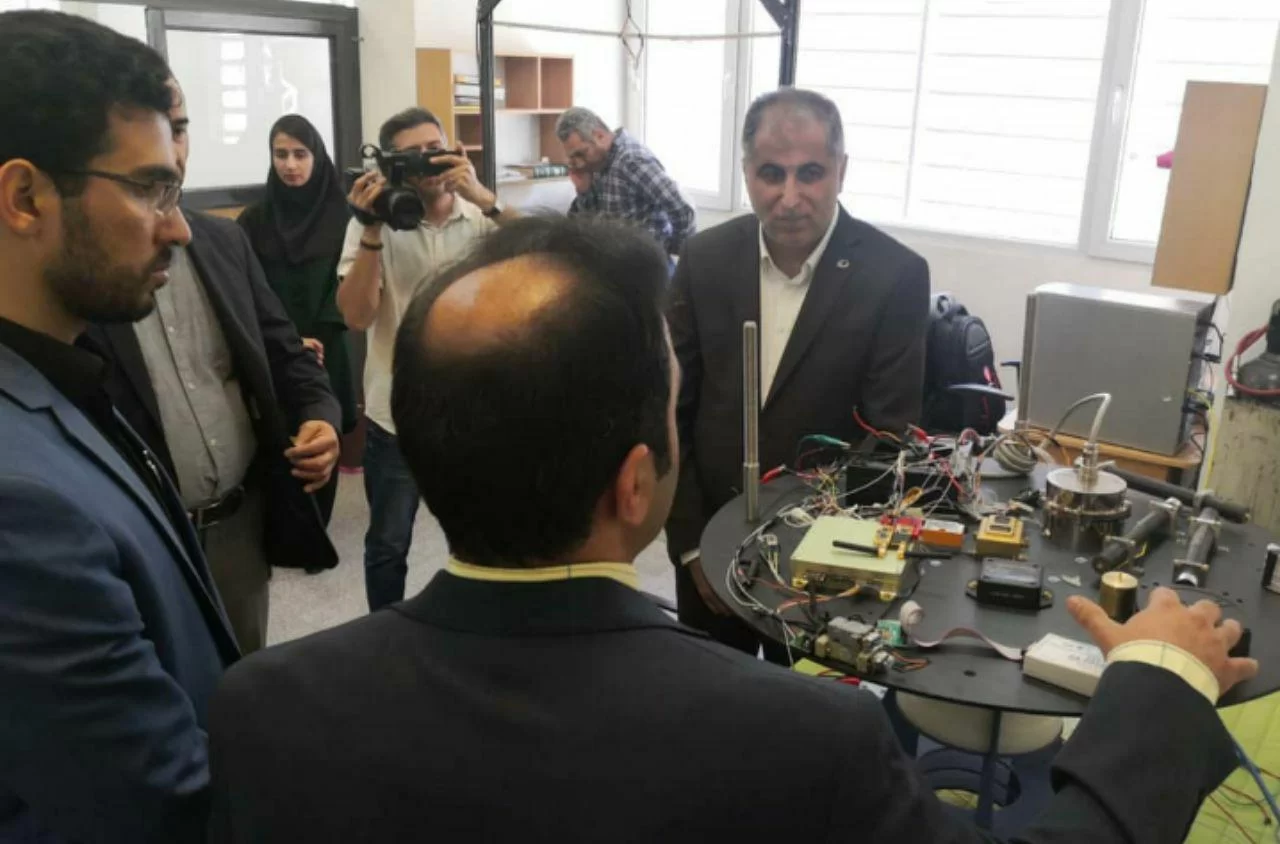
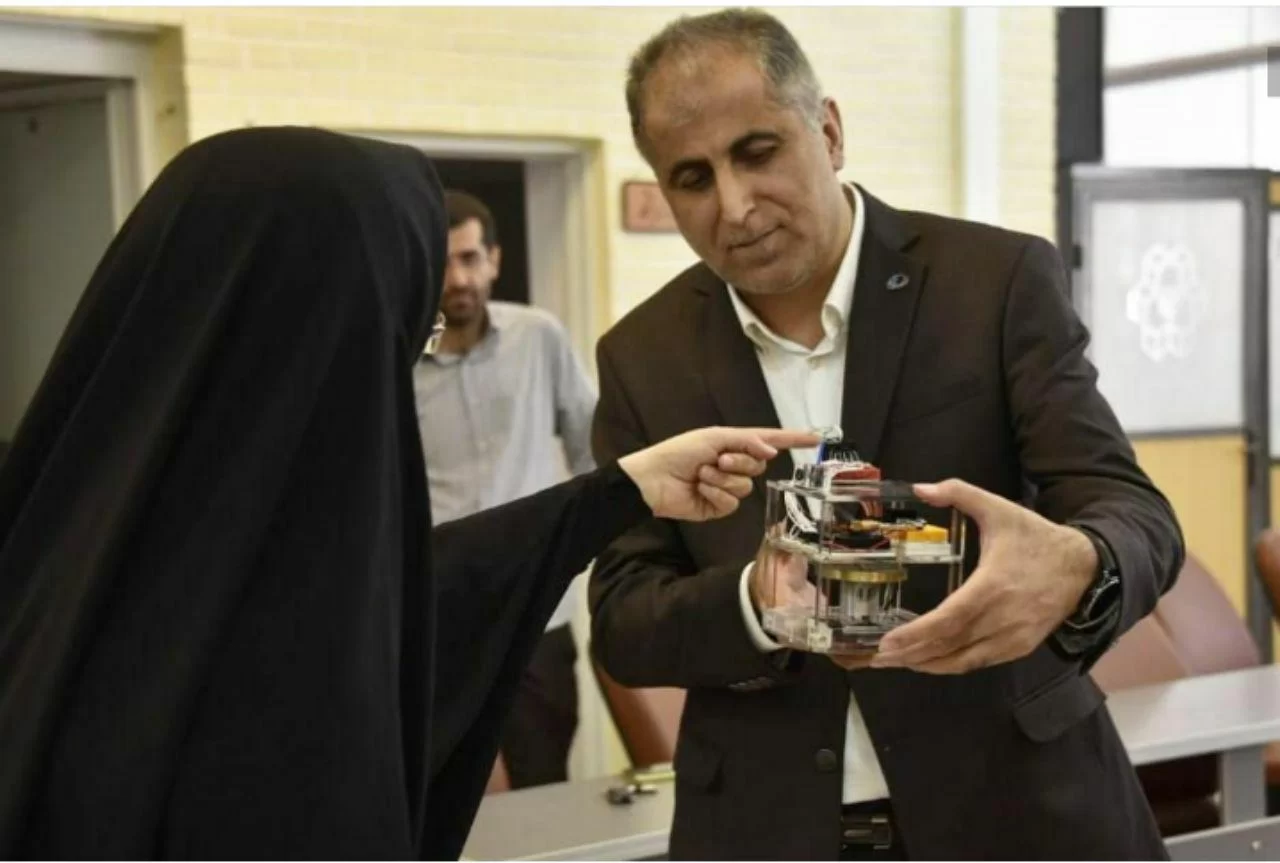
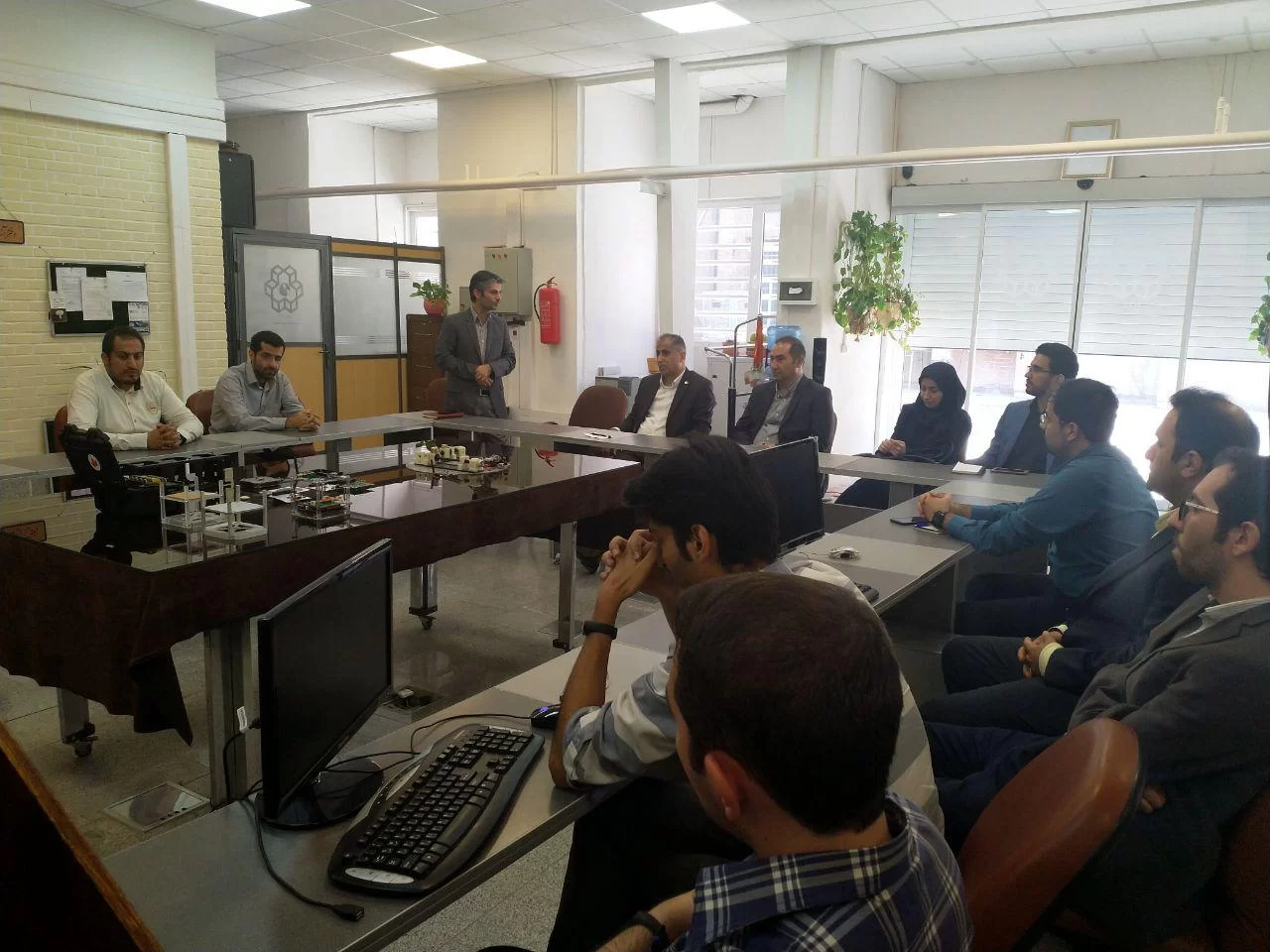
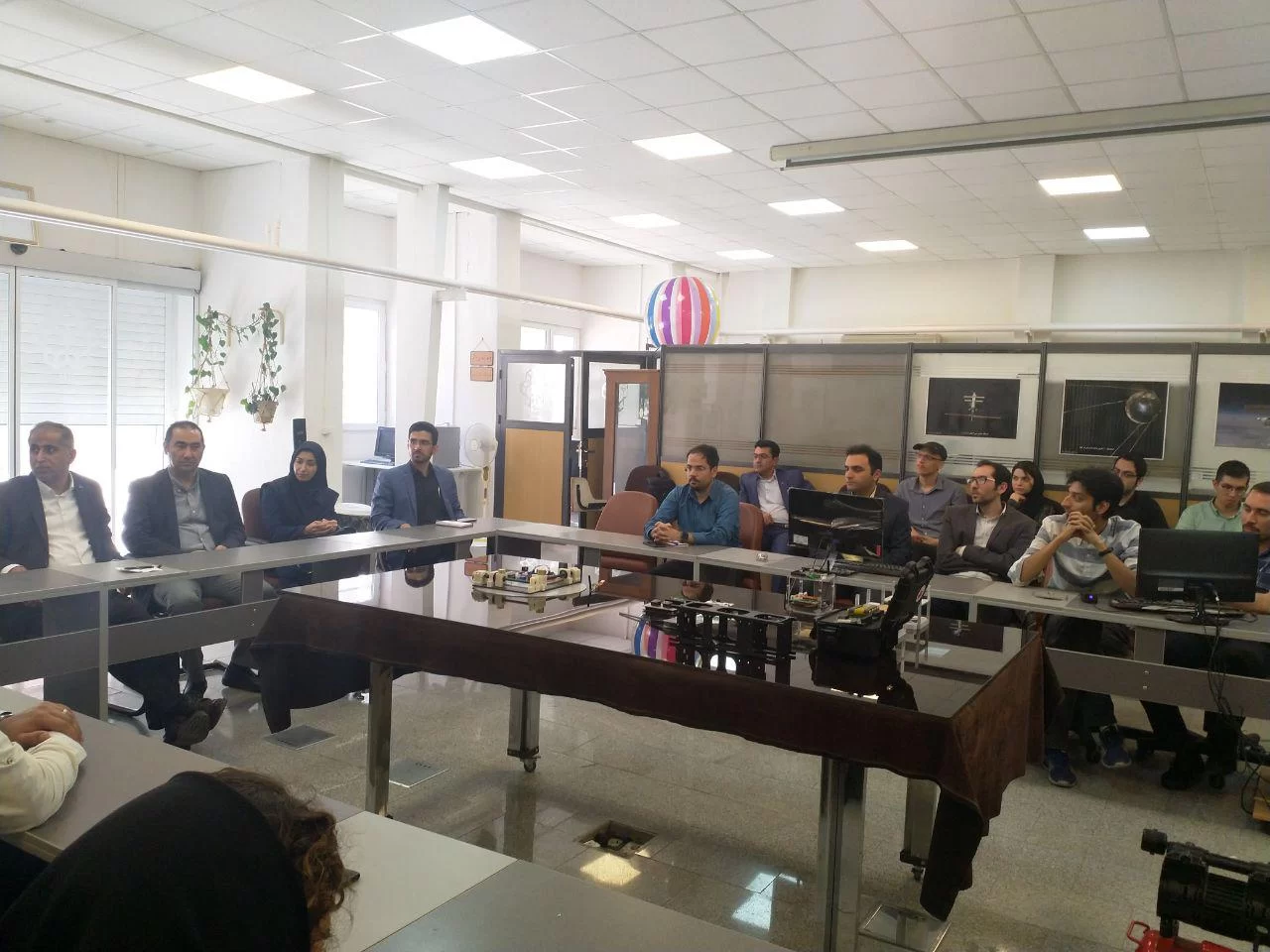
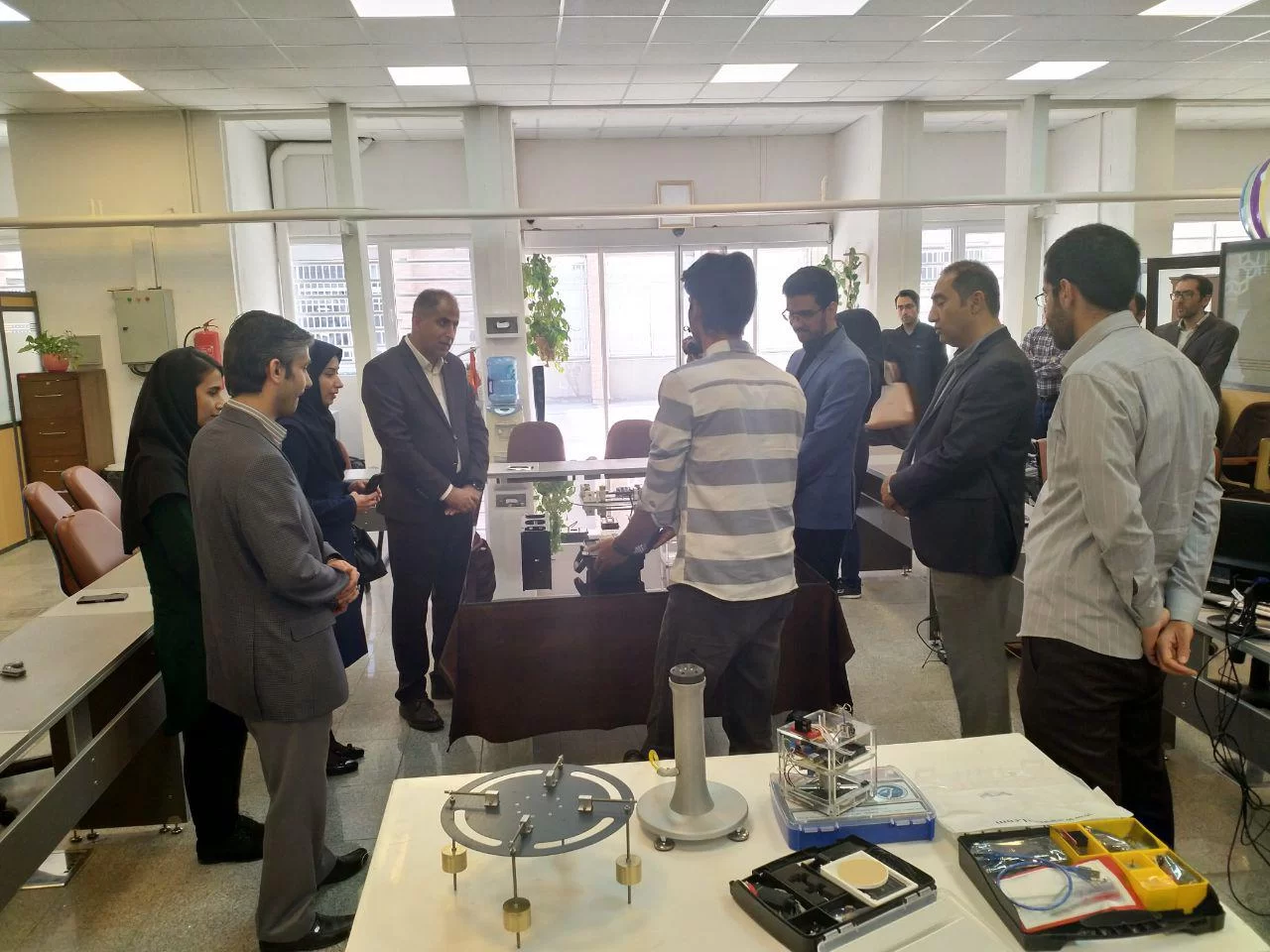
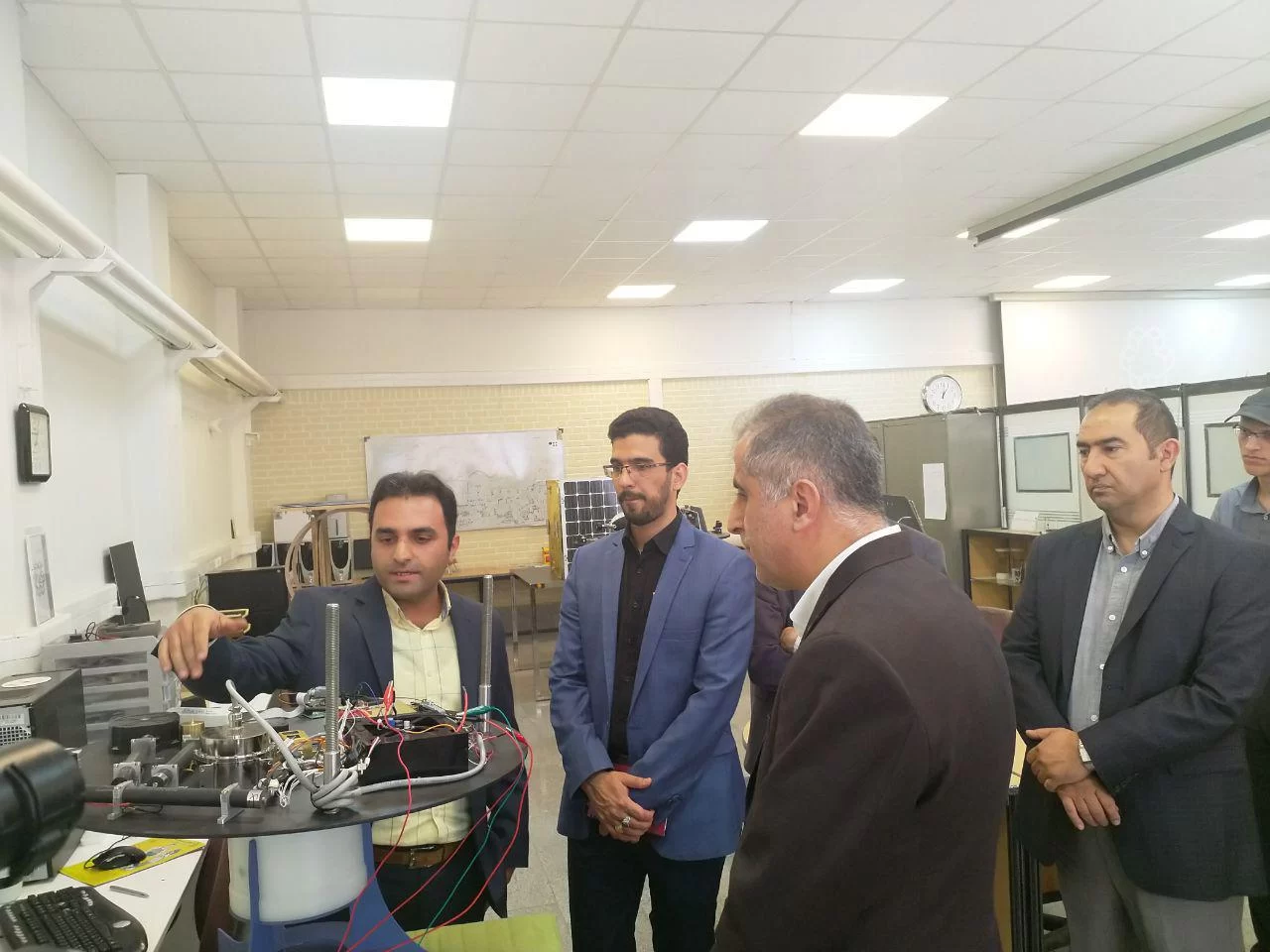
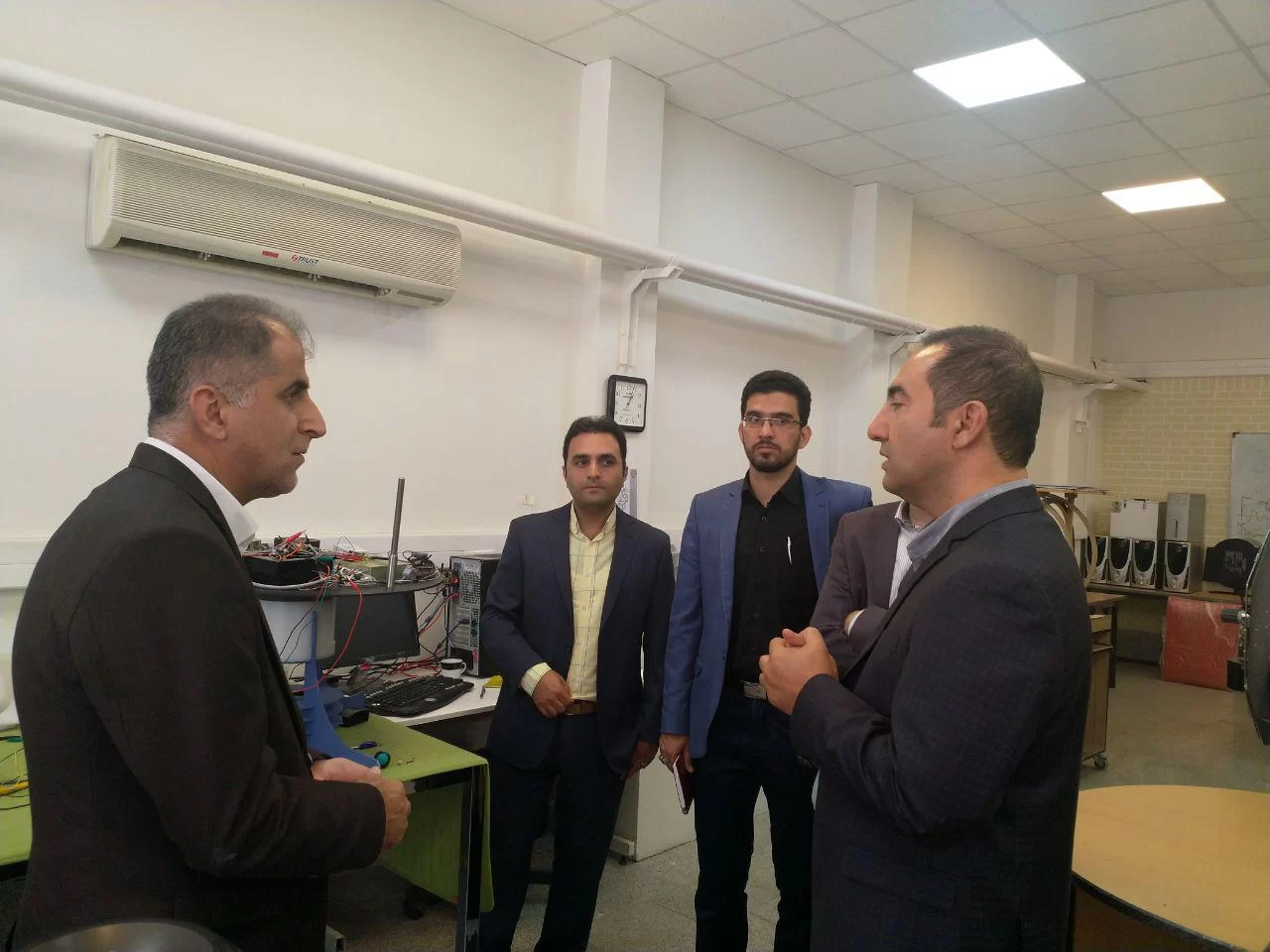
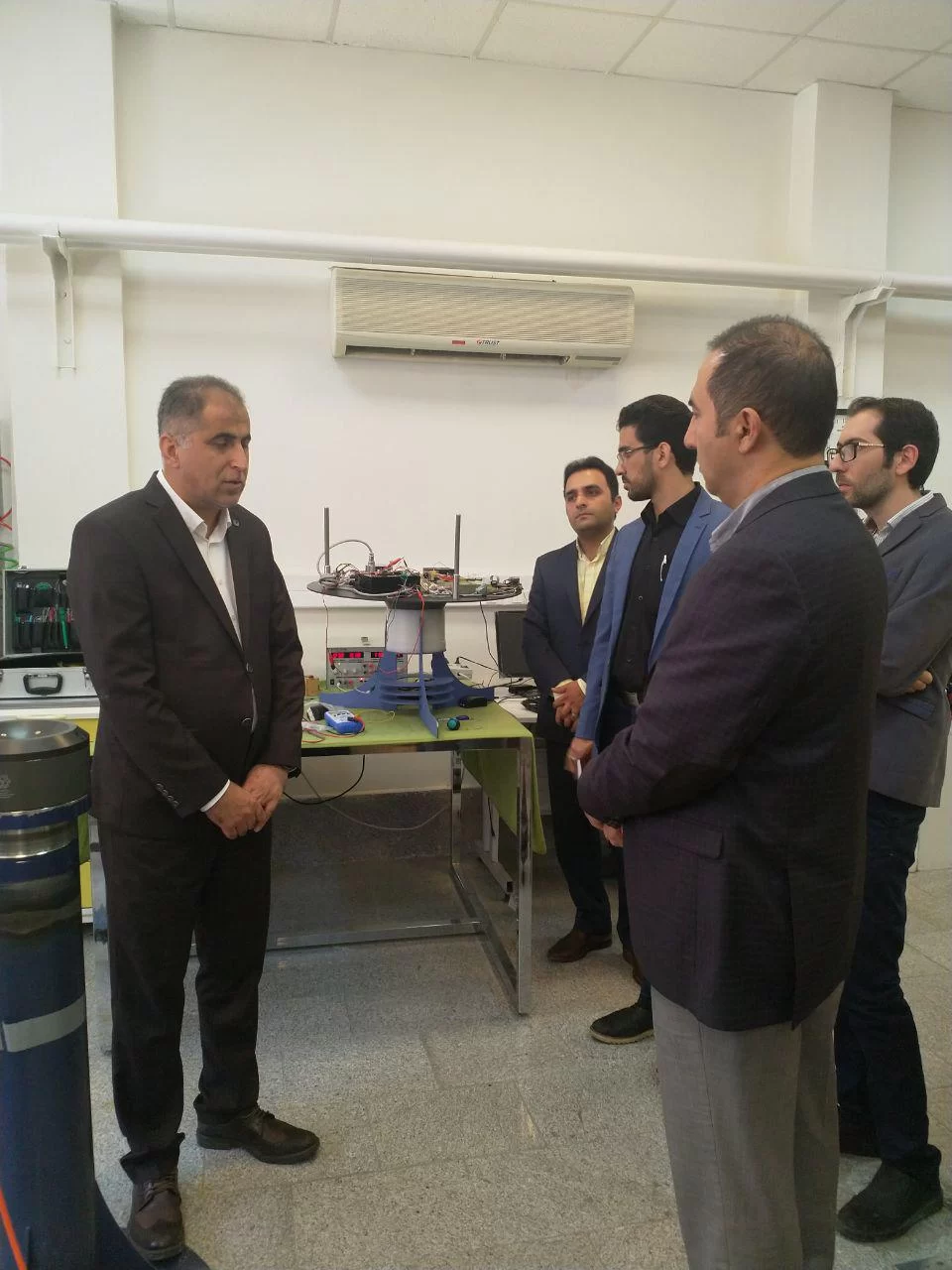
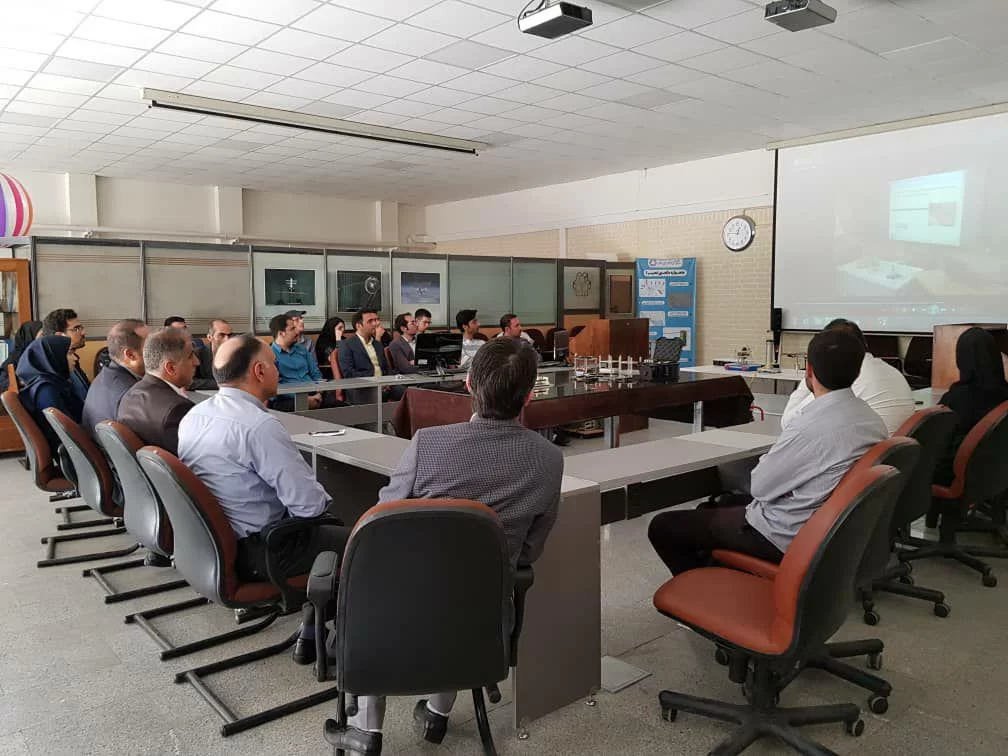
The Head of Iranian Space Agency, Dr. Morteza Barari visits space research lab on the occasion of World Space Week 2019
Abstract: According to the high cost of manufacturing and launching a satellite, confirming the accurate functionality of each subsystem is extremely momentous. So, many tests are supposed to be done to validate the performance of a satellite. One of the most significant subsystems of a satellite, that should be tested before its launch, is the attitude determination and control system (ADCS). For this purpose, a testbed must be prepared to simulate the environmental conditions of the space for the satellite. The zero-gravity condition is simulated using an air bearing, and a Helmholtz cage simulates the magnetic field that the satellite will face on the orbit. Different control modes are applied to the satellite during its mission. After the satellite is separated from the launch vehicle, the detumbling mode will decrease its angular velocities using magnetic actuators to prepare it for other required control modes on its mission. The purpose of this project was to manufacture and test a sample magnetic-based cubesat (a category of the satellites with specified standards) and test the functionality of the magnetorquers in the detumbling mode. Two sets of magnetorquers were tested using the prepared testbed and showed that the magnetorquers would damp the angular velocities of the cubesat in less than 20 minutes to approximately 0.5 degrees per second.
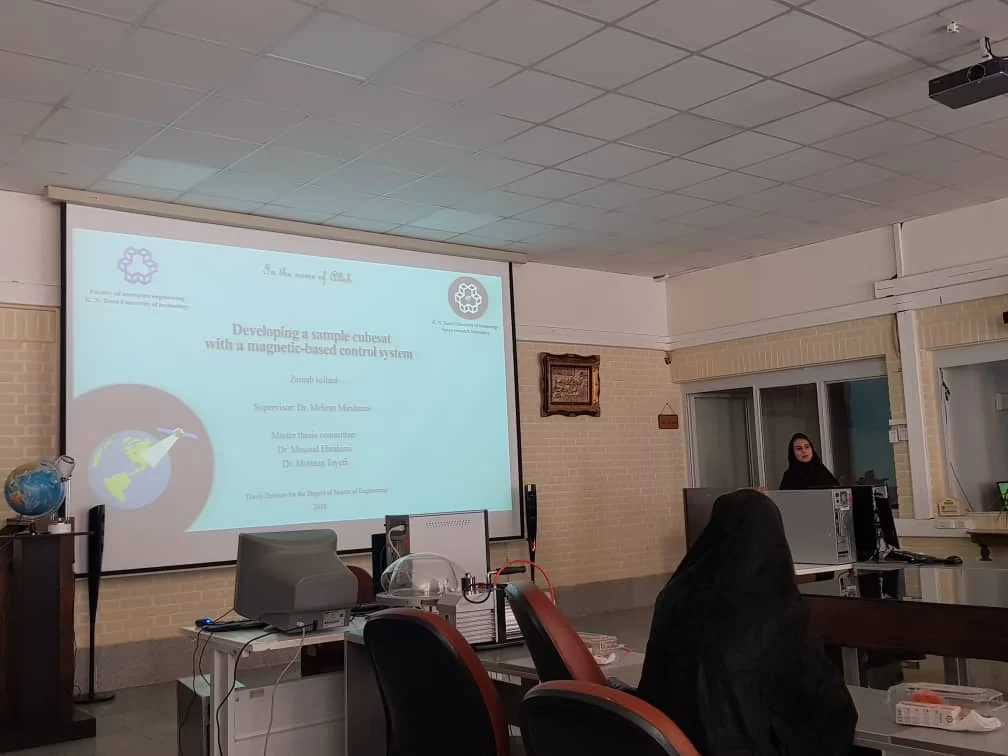
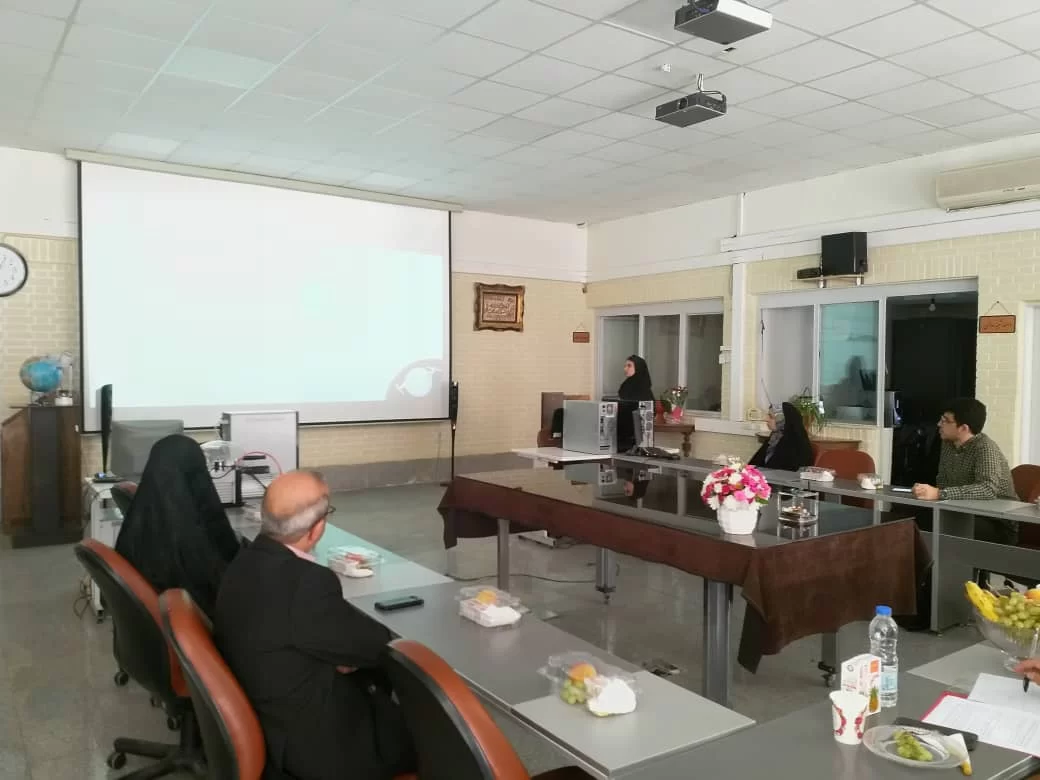
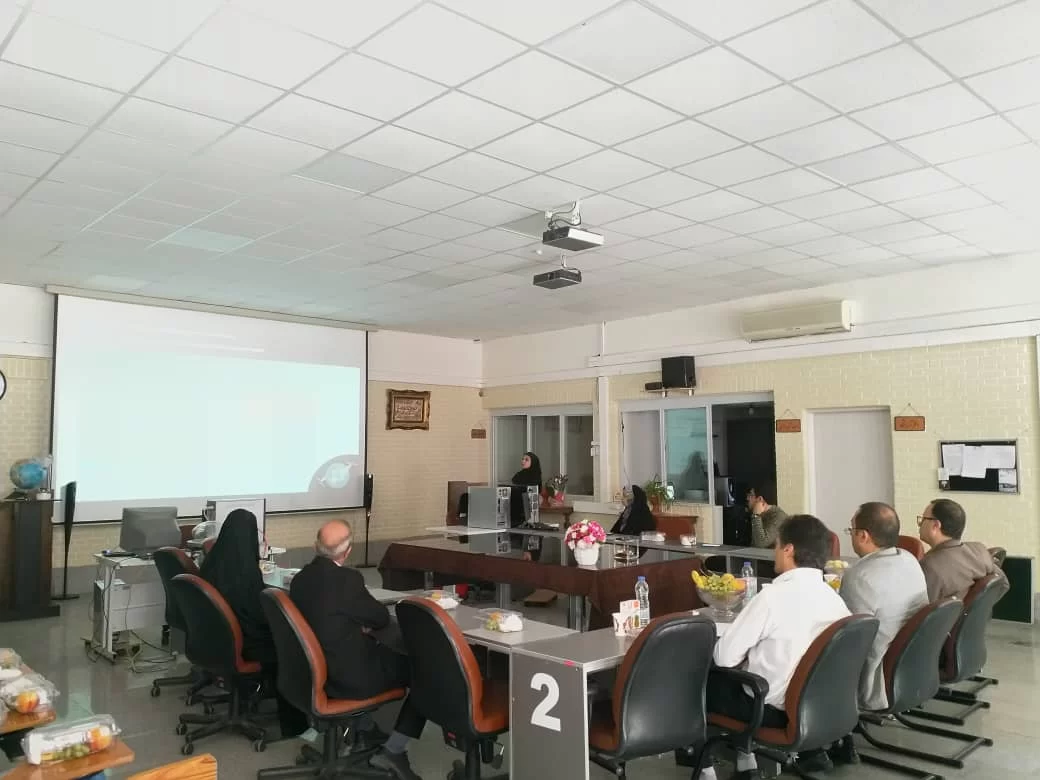
Abstract: This thesis represents design, analysis and performance verification test of student microsatellite Attitude Determination and Control Subsystem (ADCS). ADCS design and implementation procedure contains several various steps. There are four main test levels during simulation called “Model-in-the-Loop”, “Software-in-the-Loop”, “Processor-in-the-Loop” and “Hardware-in-the-Loop”. This paper is a result of scientific and practical research during two years, on the student microsatellite, which is an eight-nation collaboration project among Asia-Pacific universities. In what follows, “Model-in-the-Loop” and “Processor-in-the-Loop” test and simulation will be discussed. The aim of this thesis is to illustrate the result of these two tests and validate the ADCS design. At the end, it is demonstrated that designed control algorithms are precise enough to meet the student microsatellite ADCS requirements and they can be used in the next level of microsatellite development.
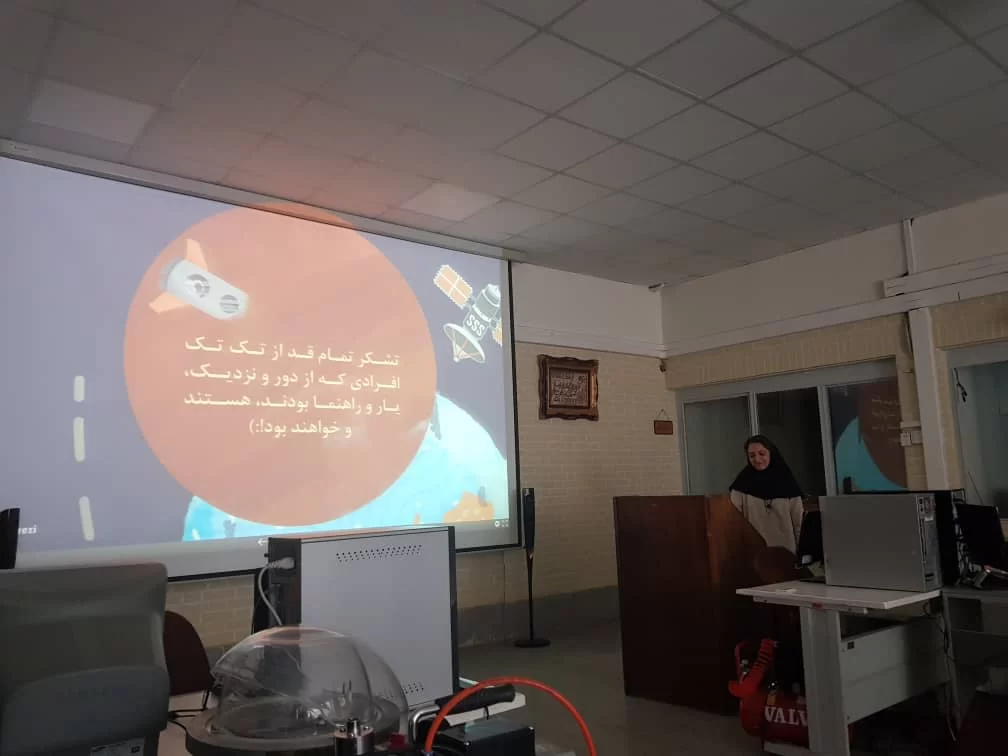
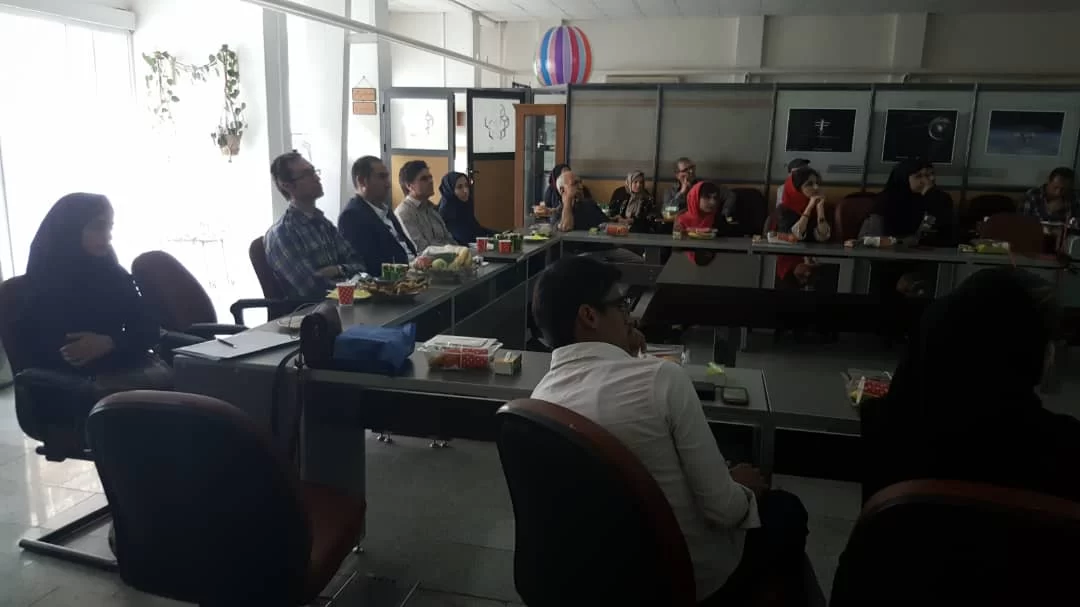
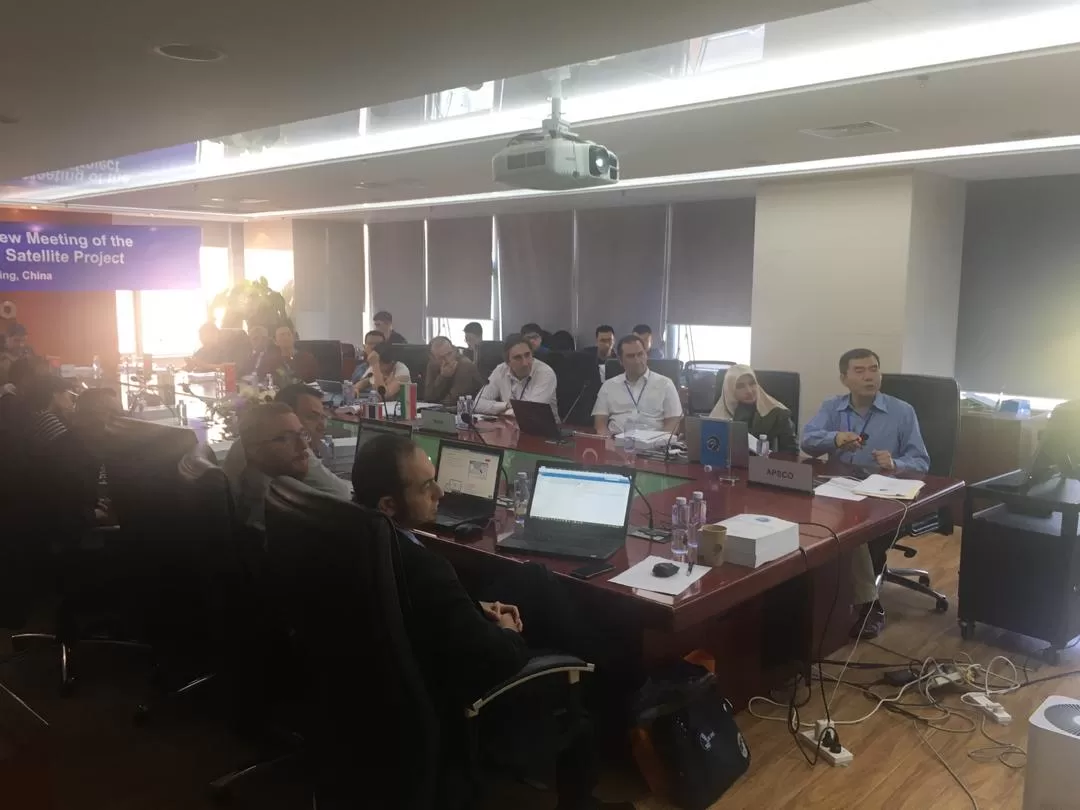
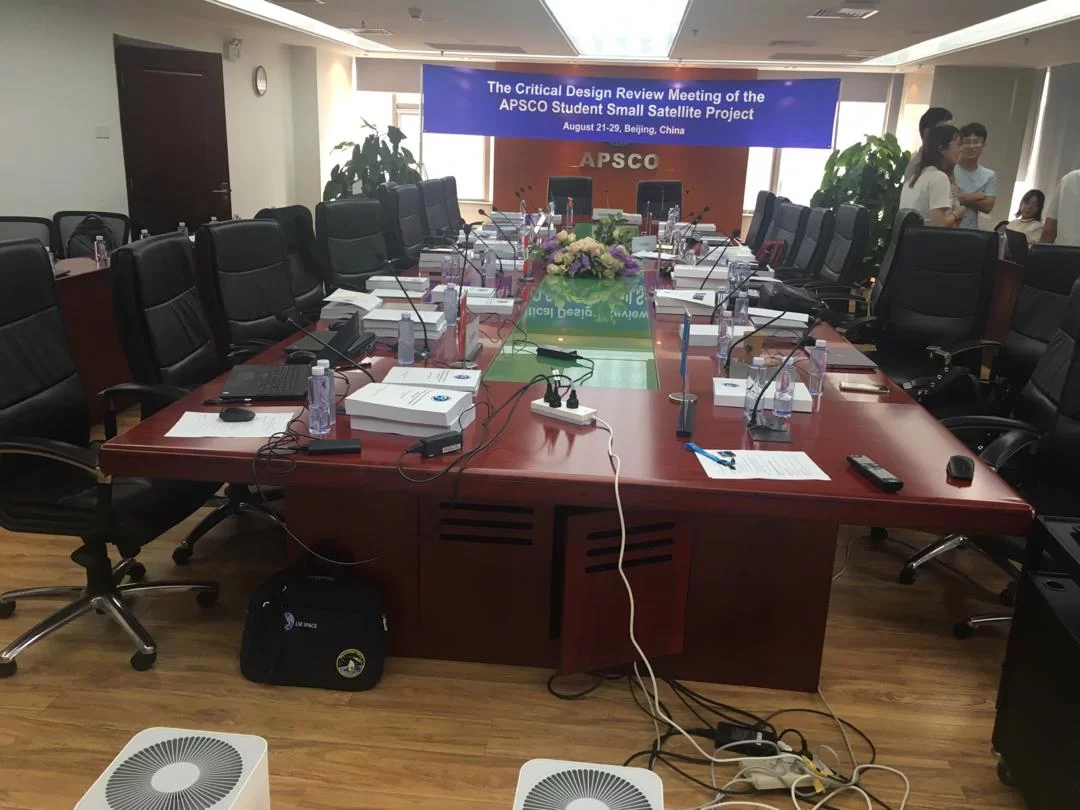
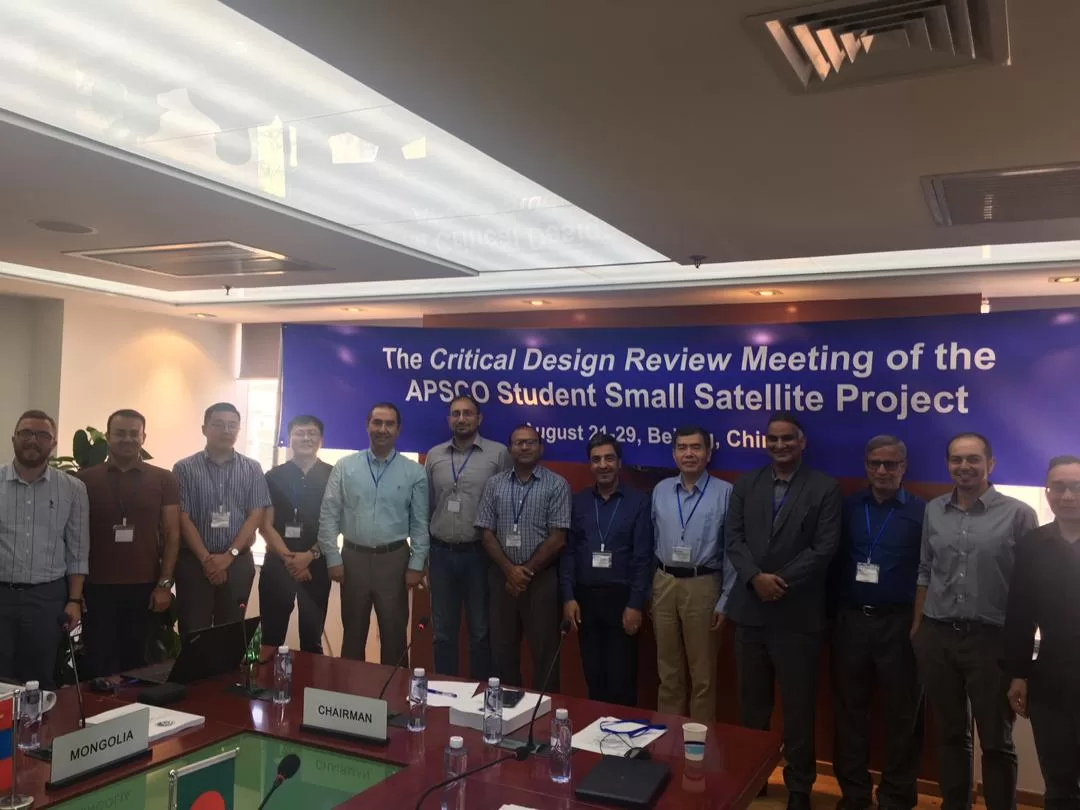
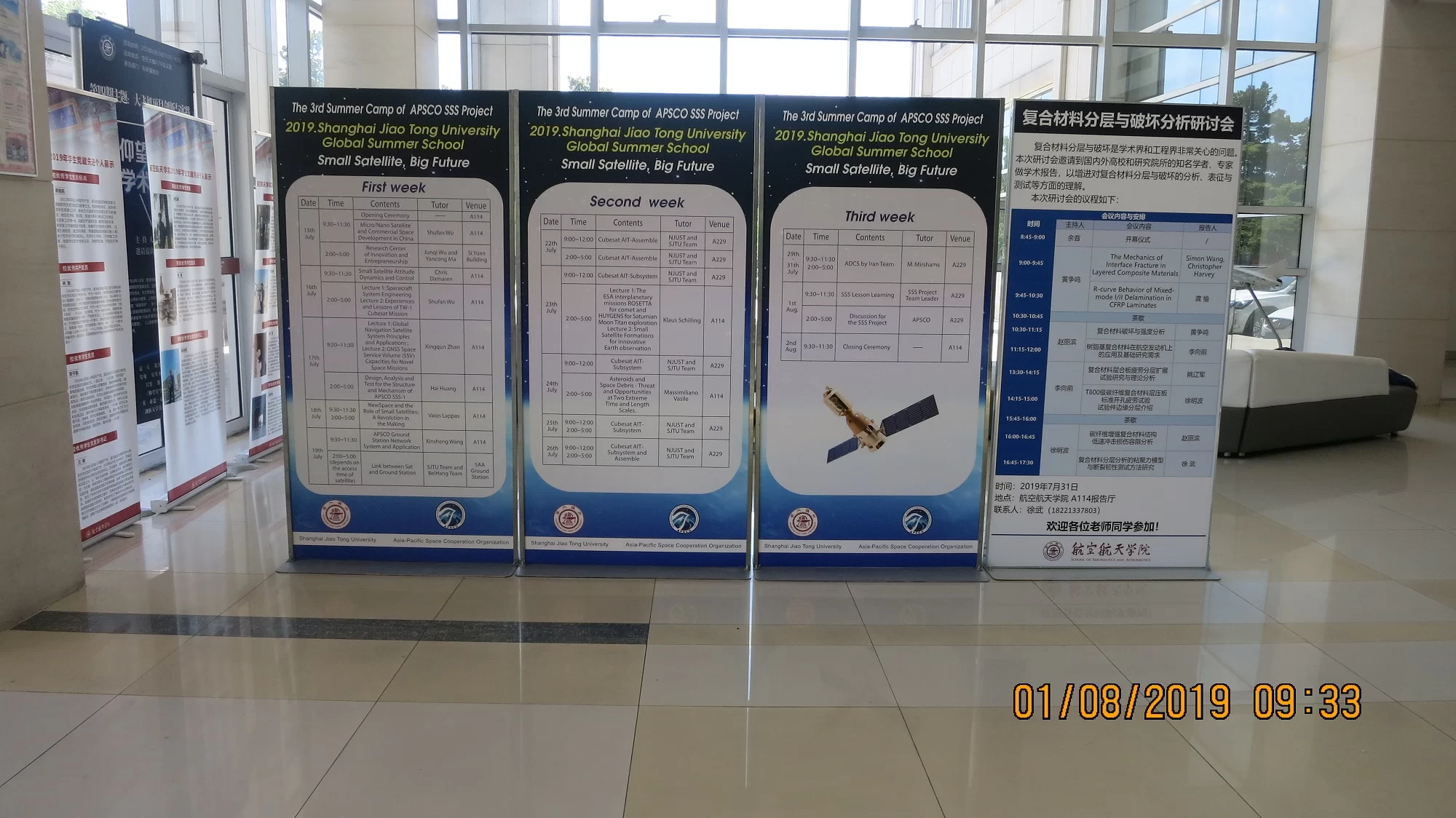
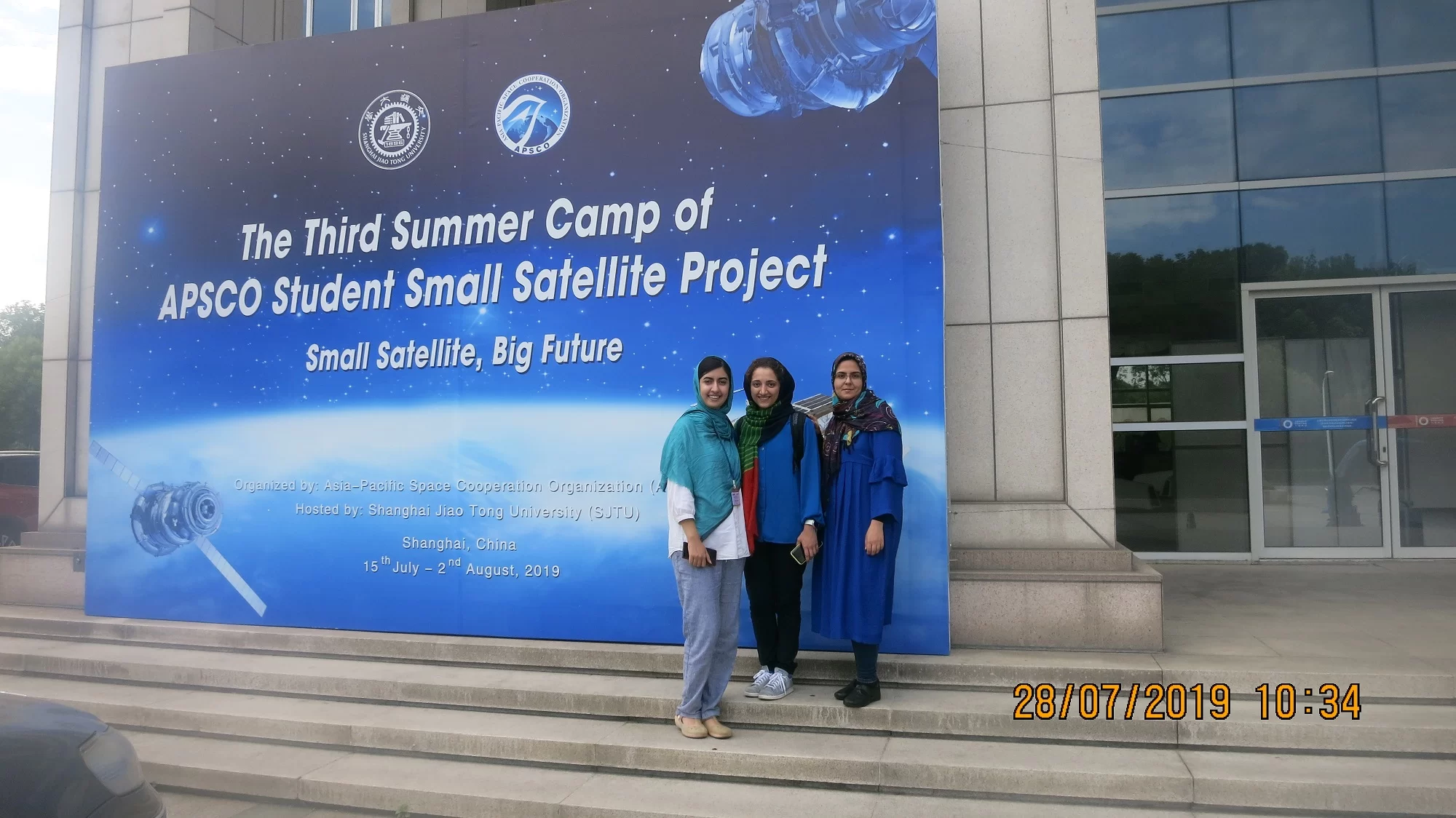
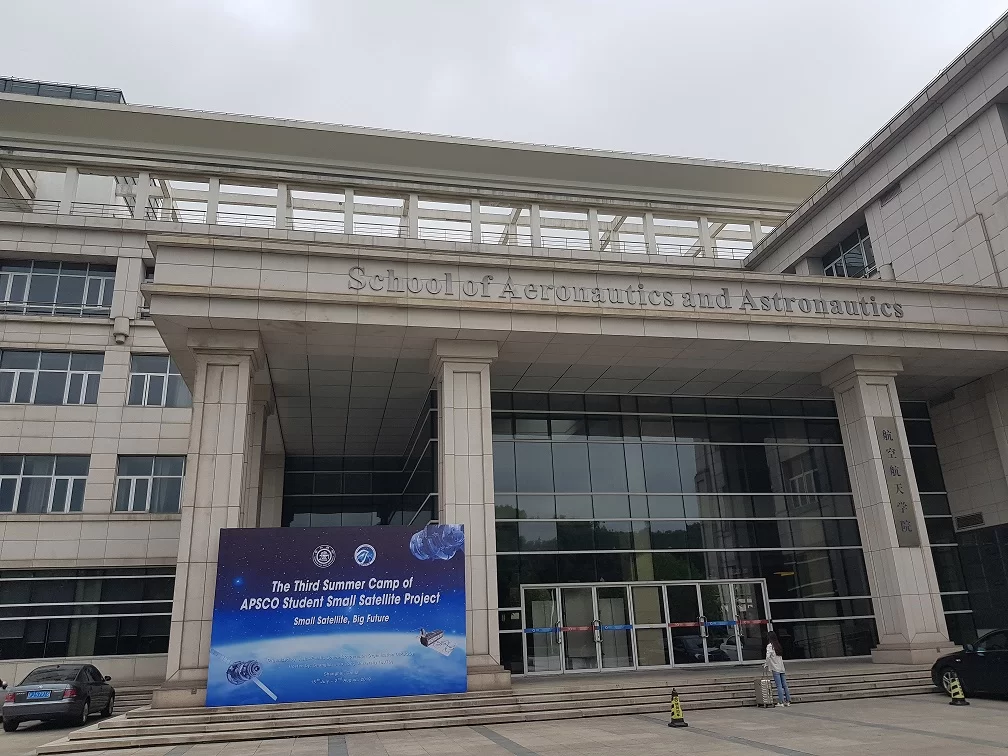
The Third Summer Camp of APSCO Student Small Satellite (SSS) Project
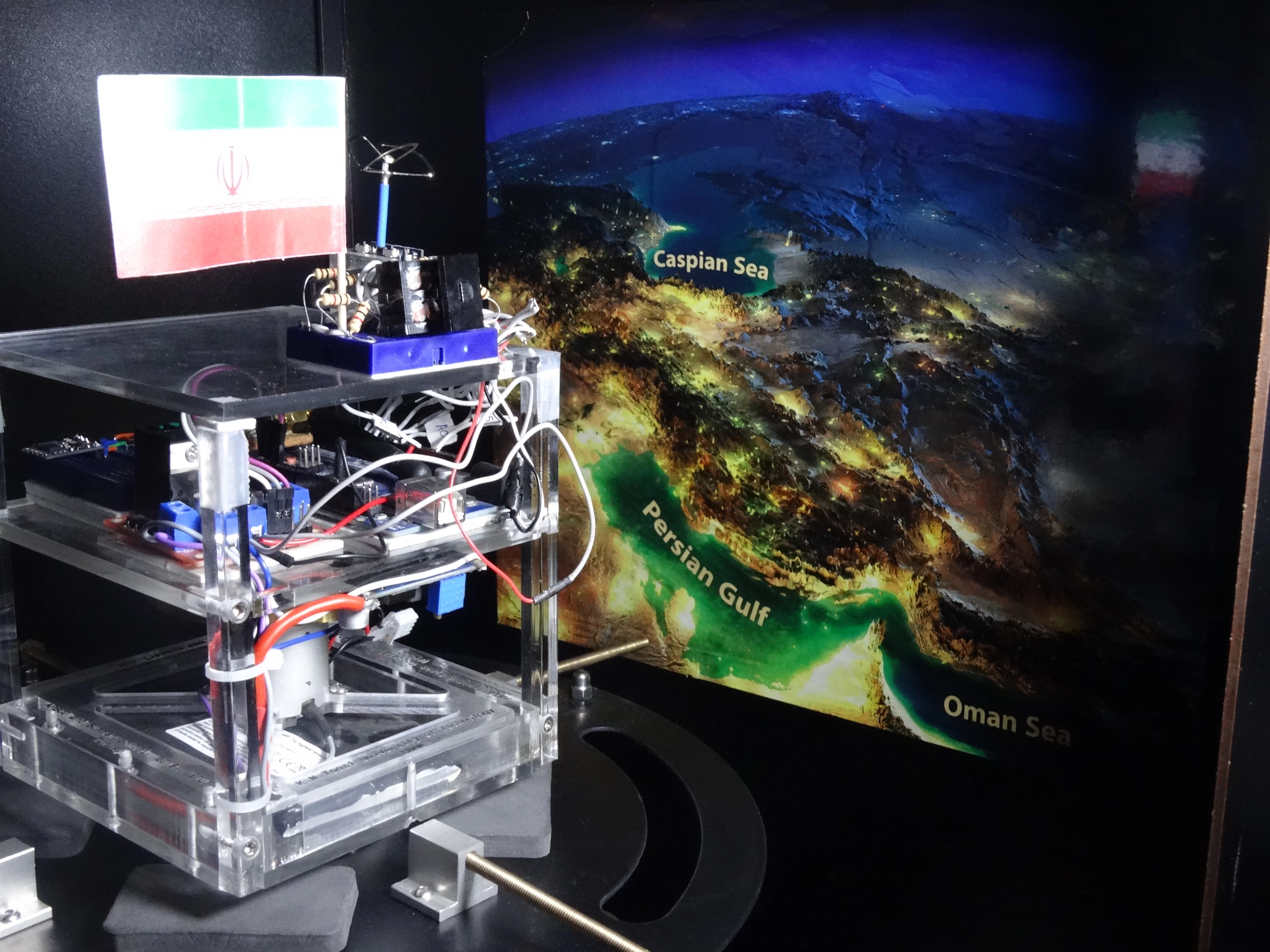
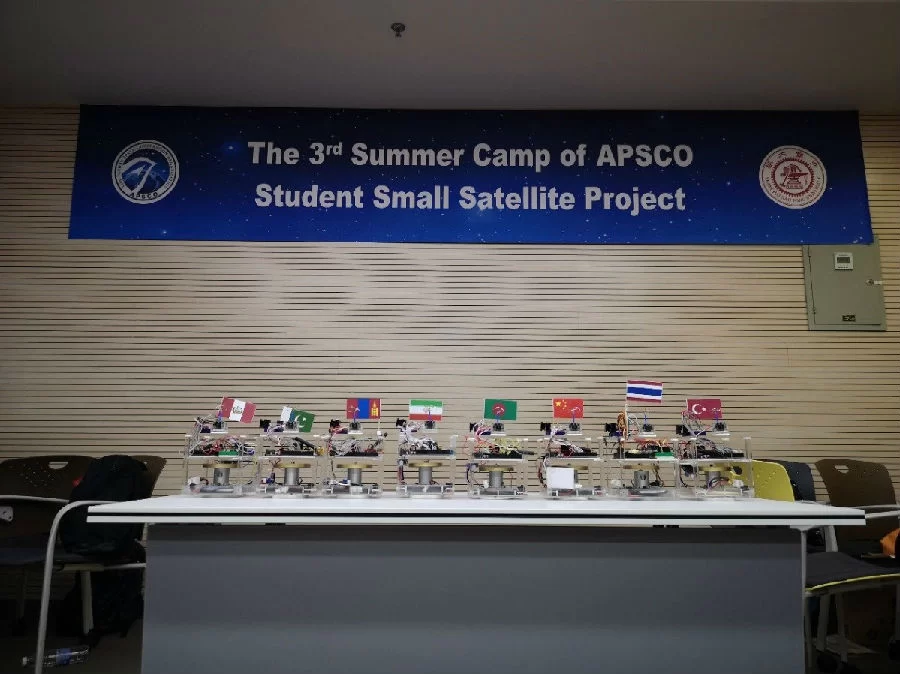
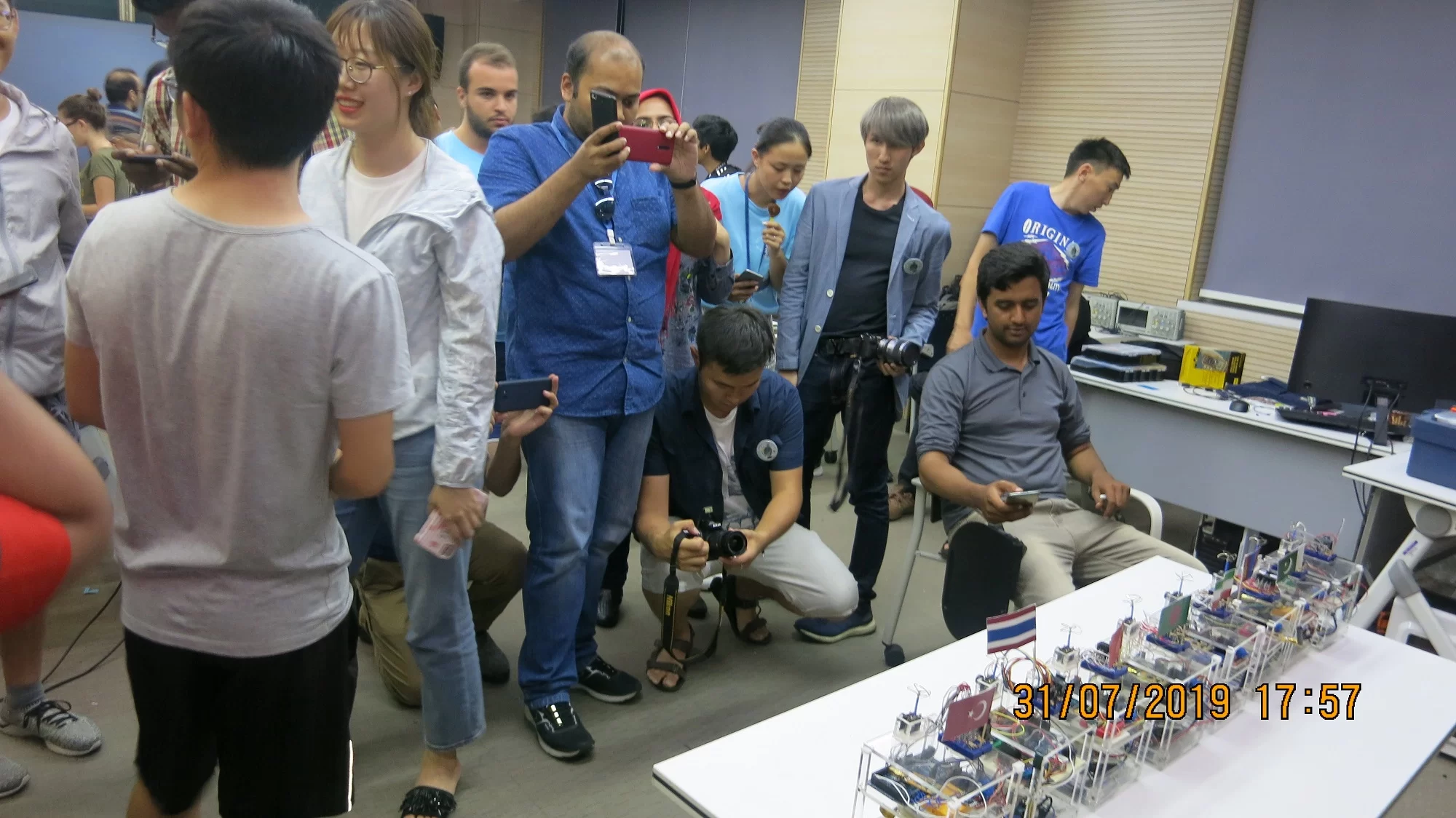
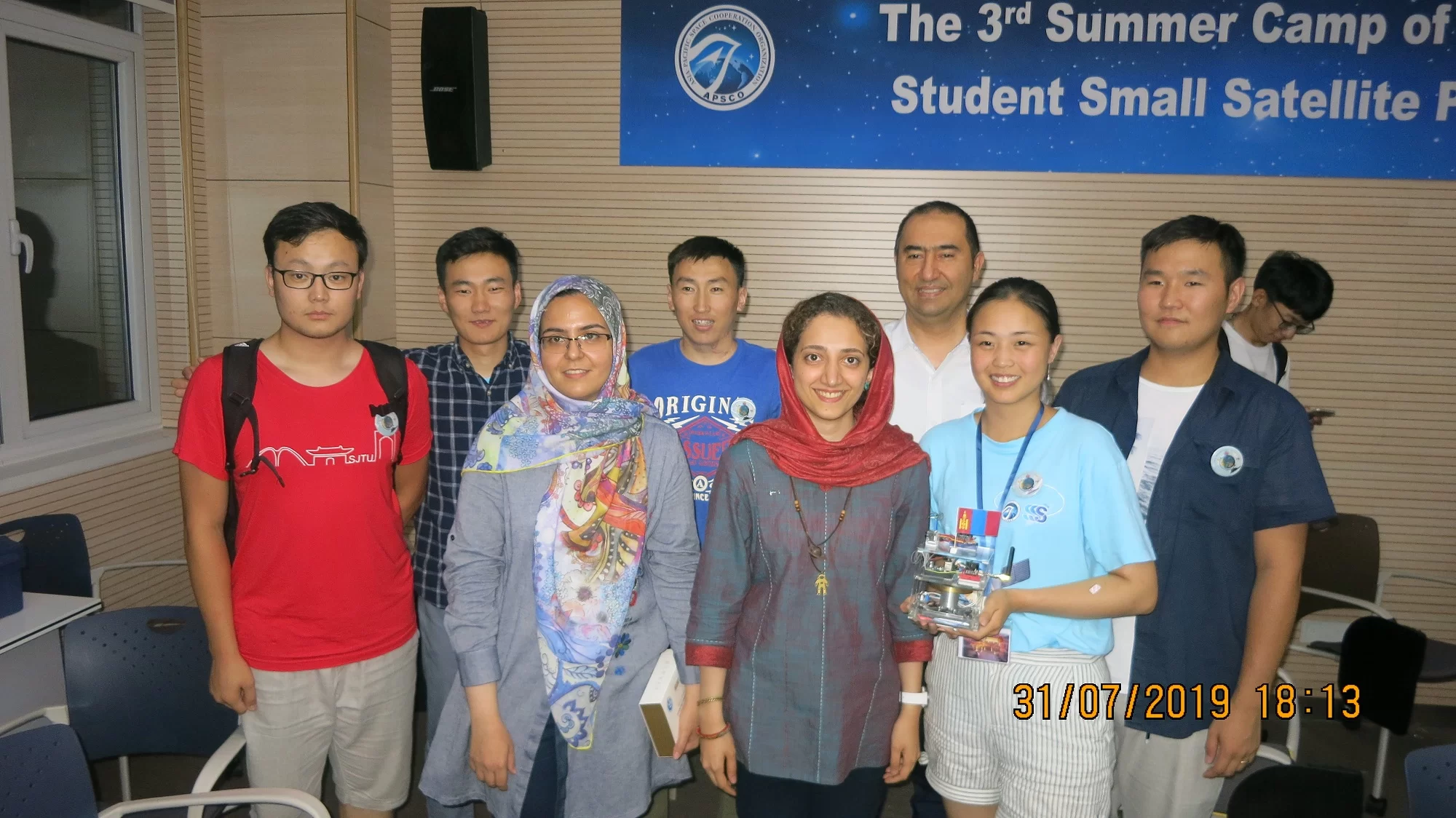
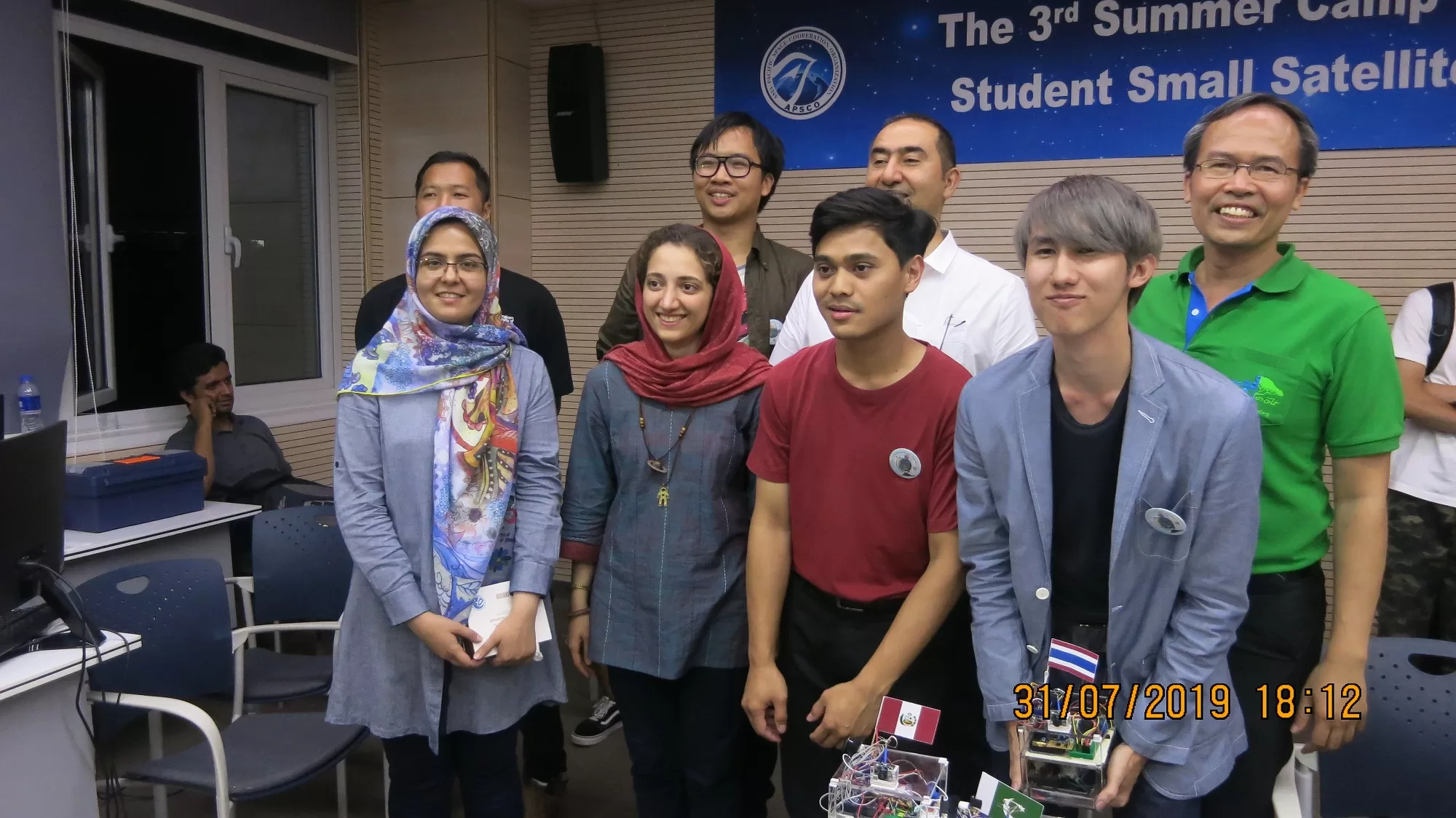
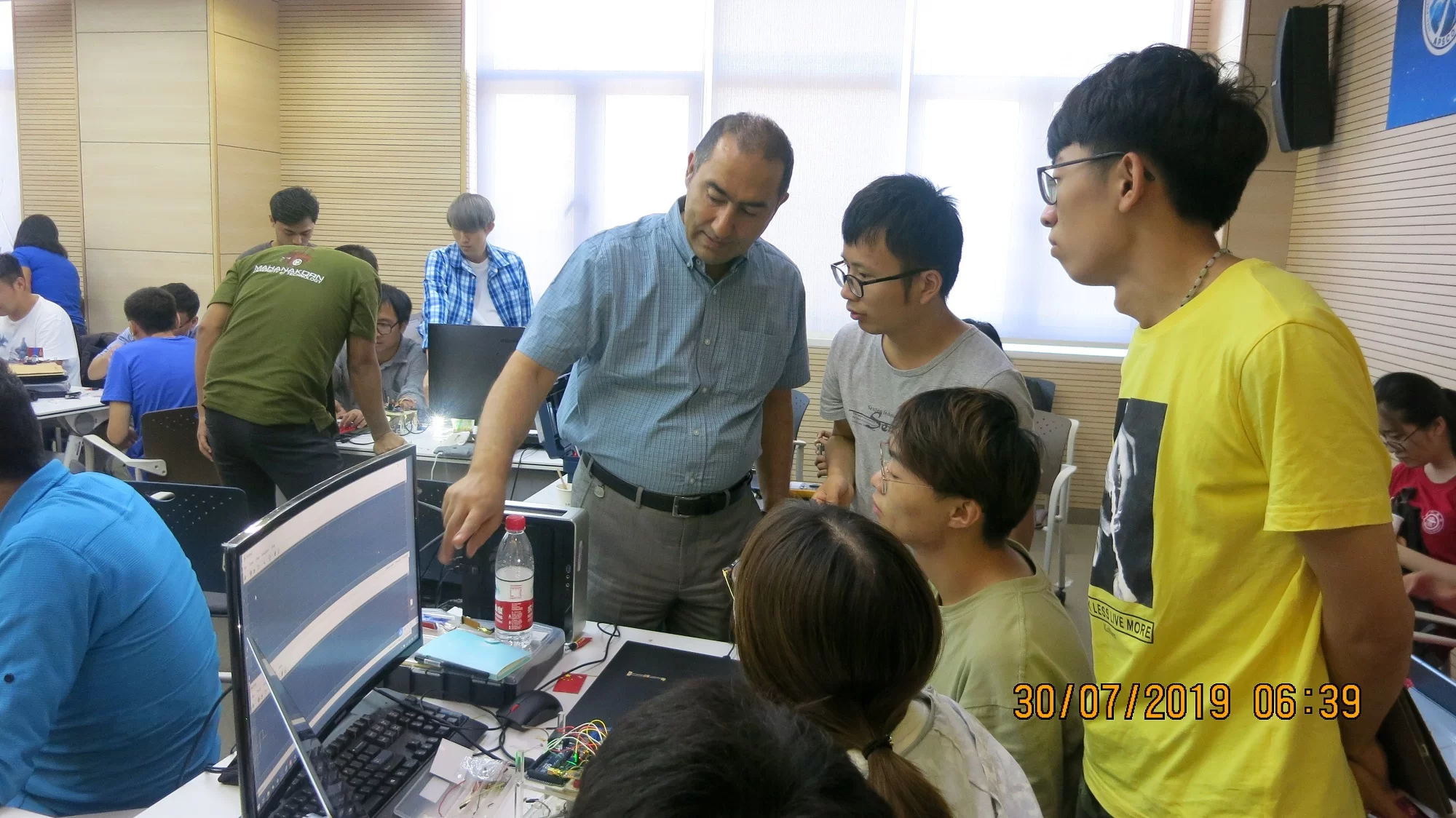
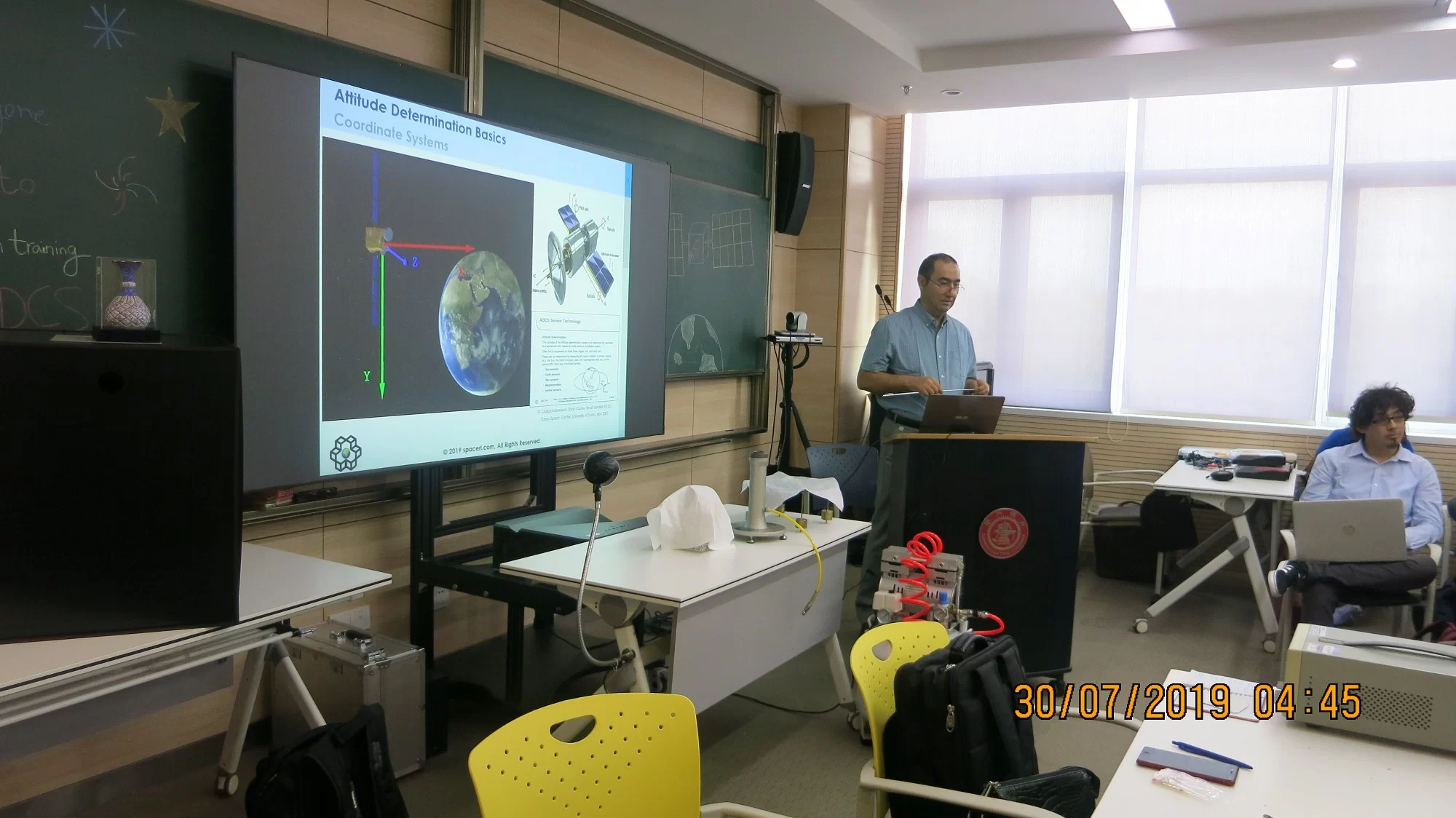
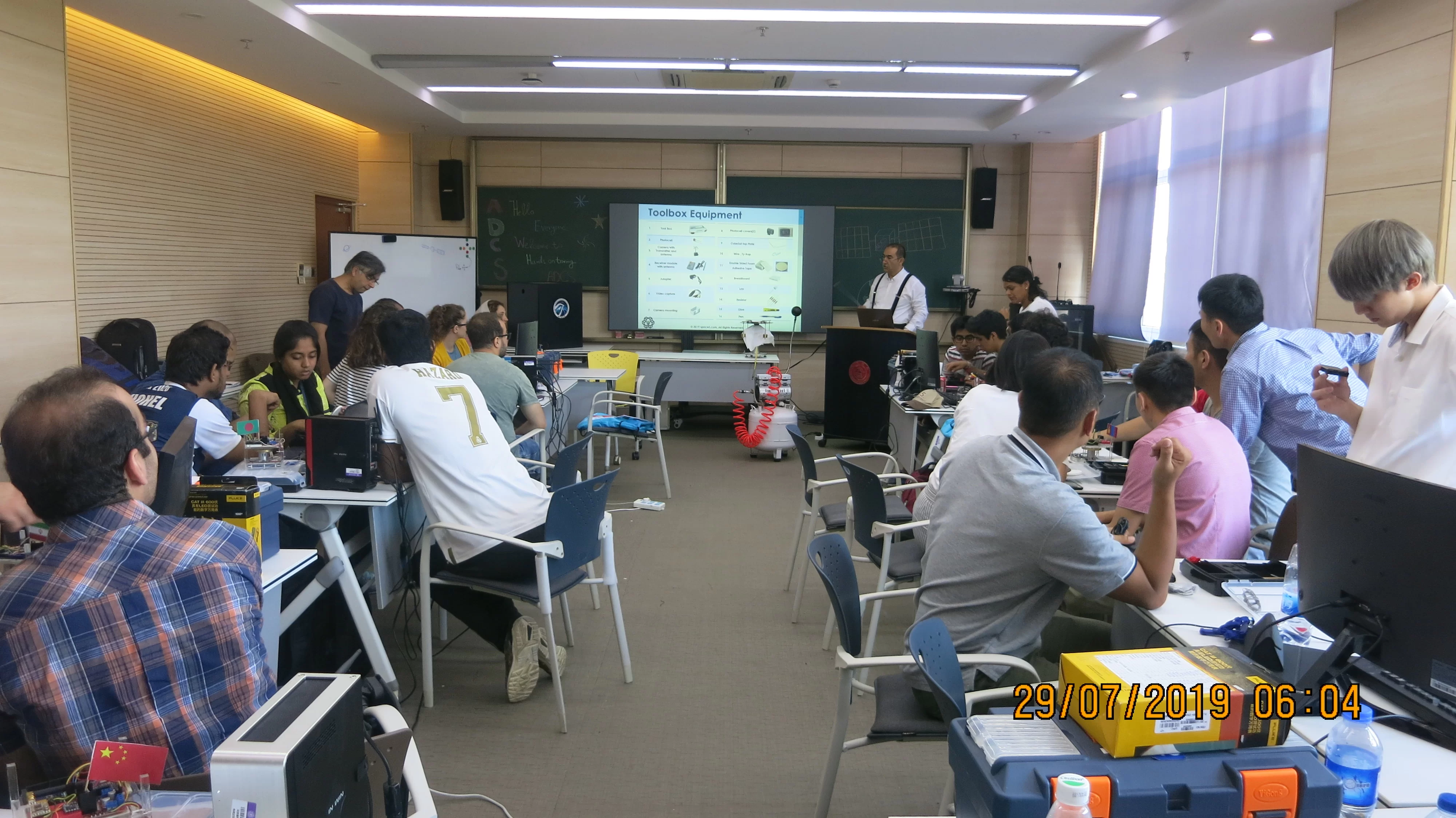
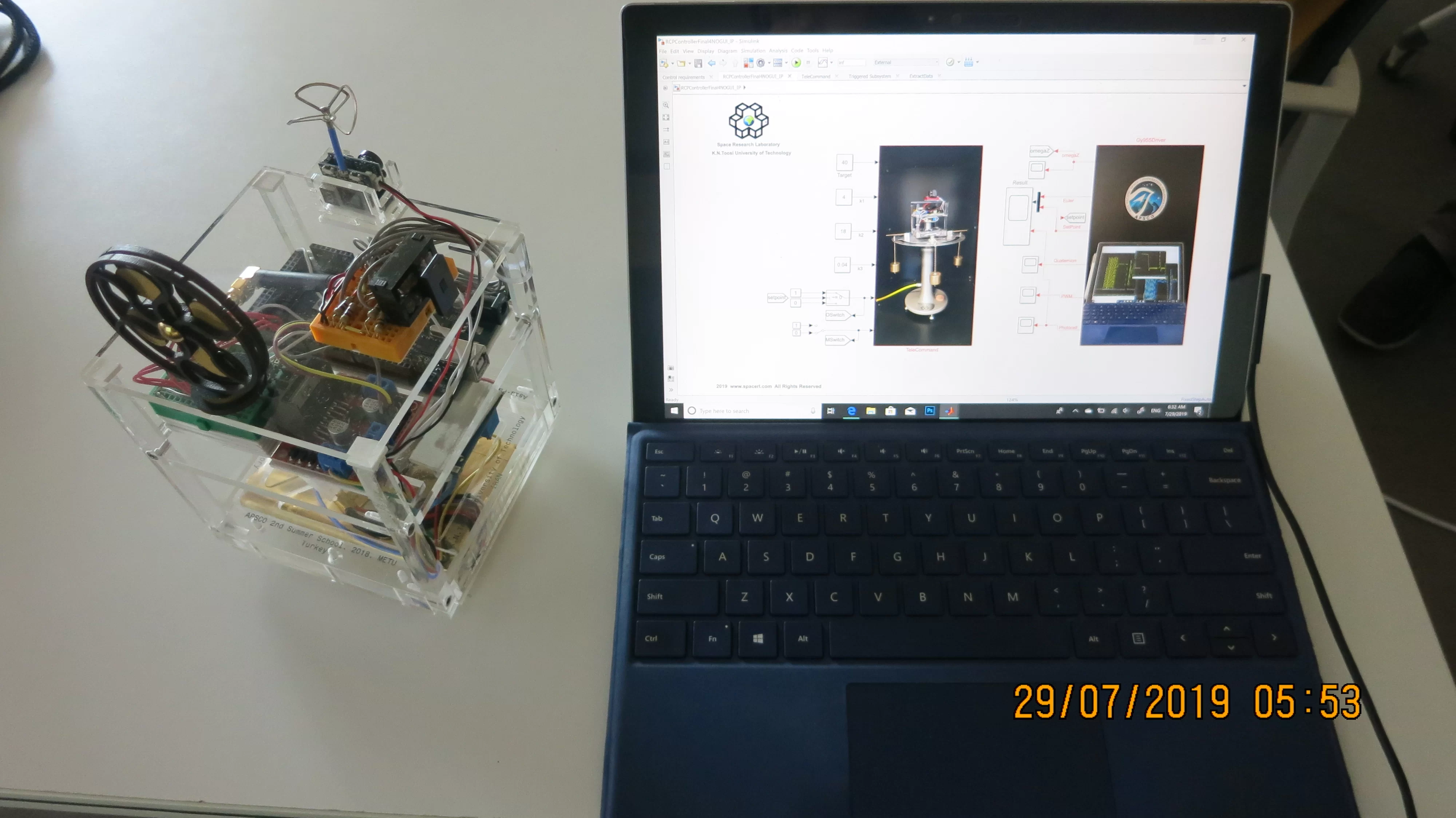
Training sessions of the Third Summer Camp continued during the third week. Focused on the ADCS hands-on training, the first three days of the week’s training was provided by Professor Dr. Mehran Mirshams and his team from K.N. Toosi University of Technology, Iran. On the foundation of the 2nd summer camp, the course this year moved forward the previous achievement, in which the participants integrated and programed on ADCS Micro-Simulator, tested and justified for model attitude control.
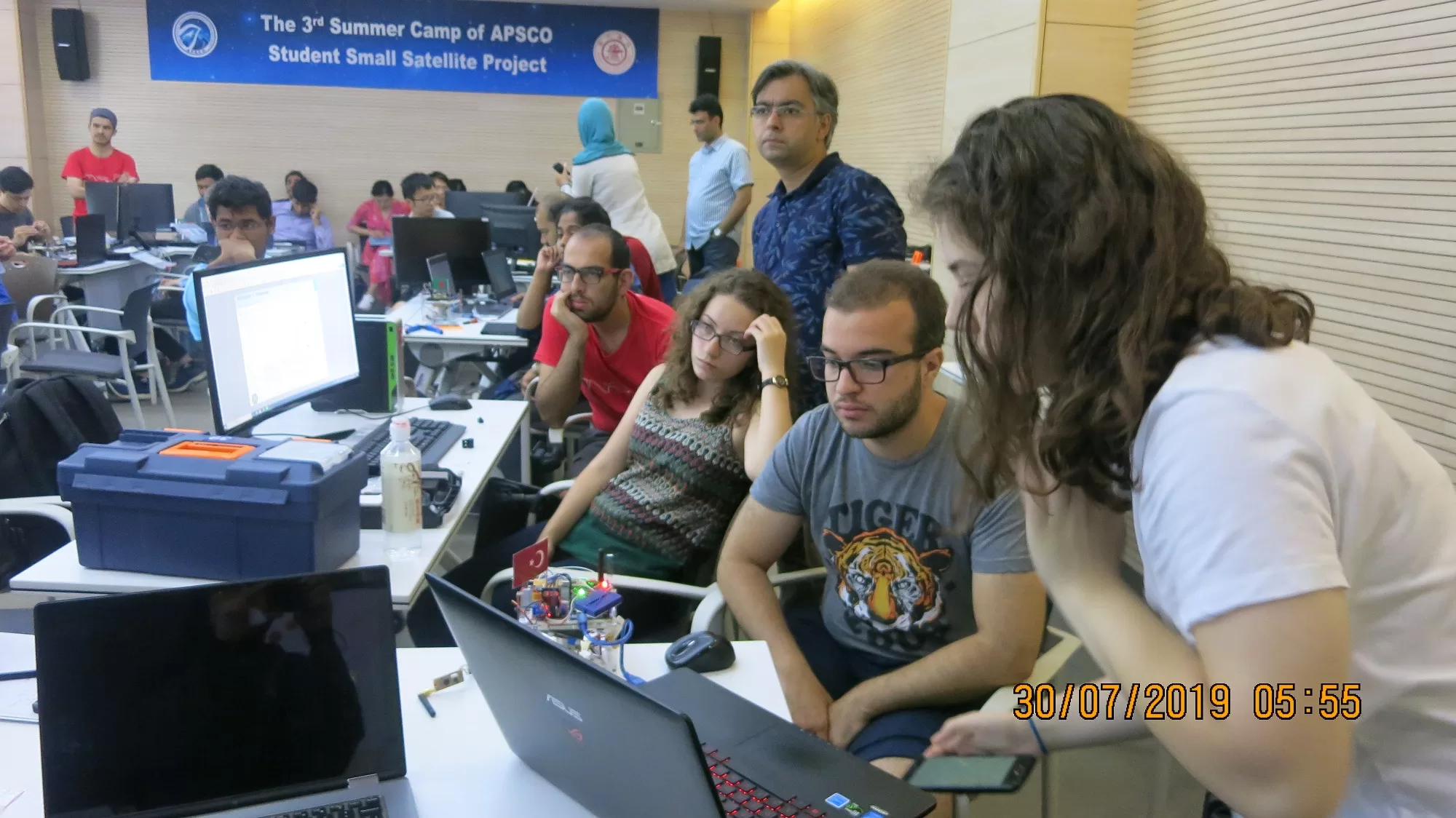
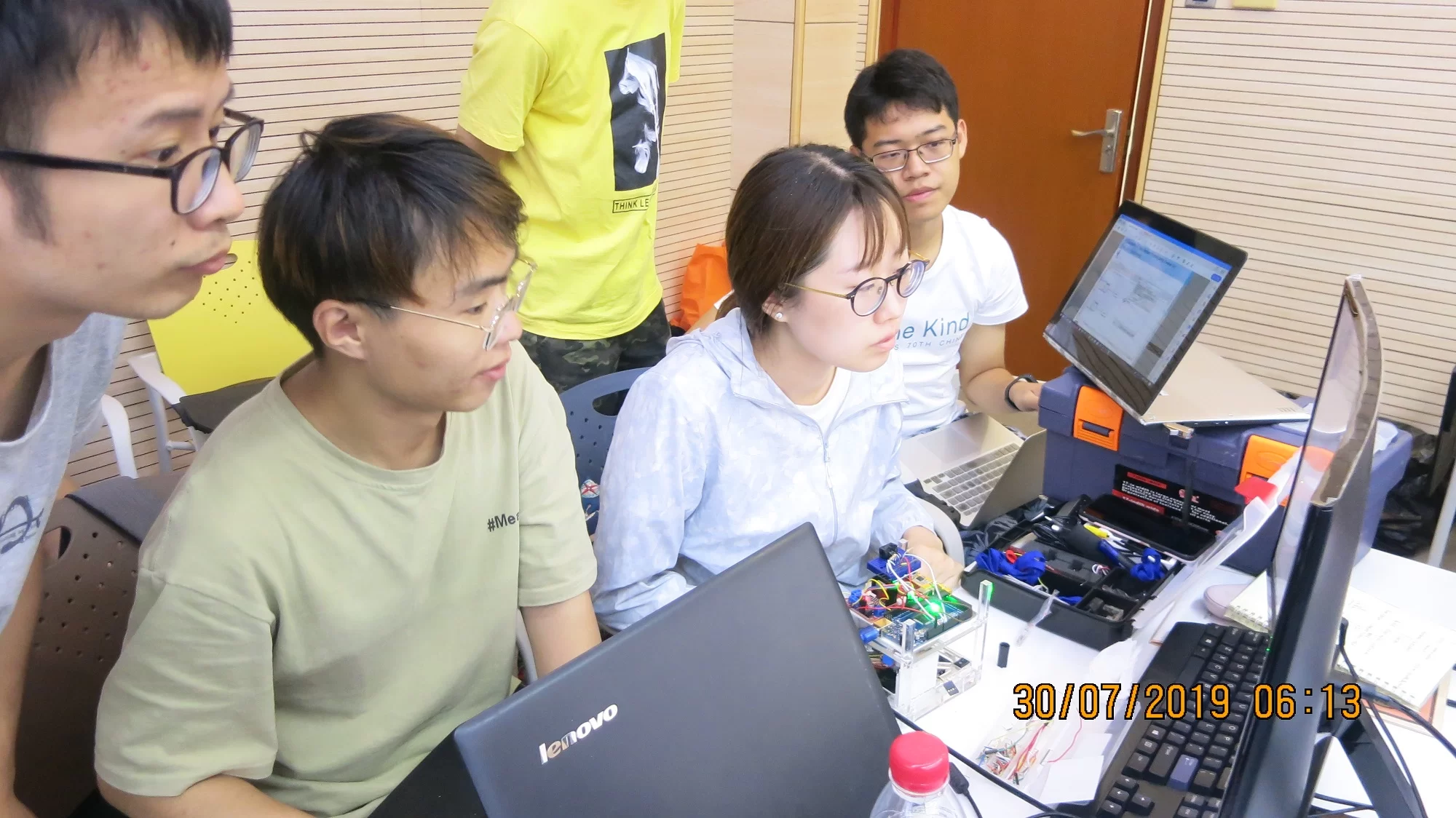
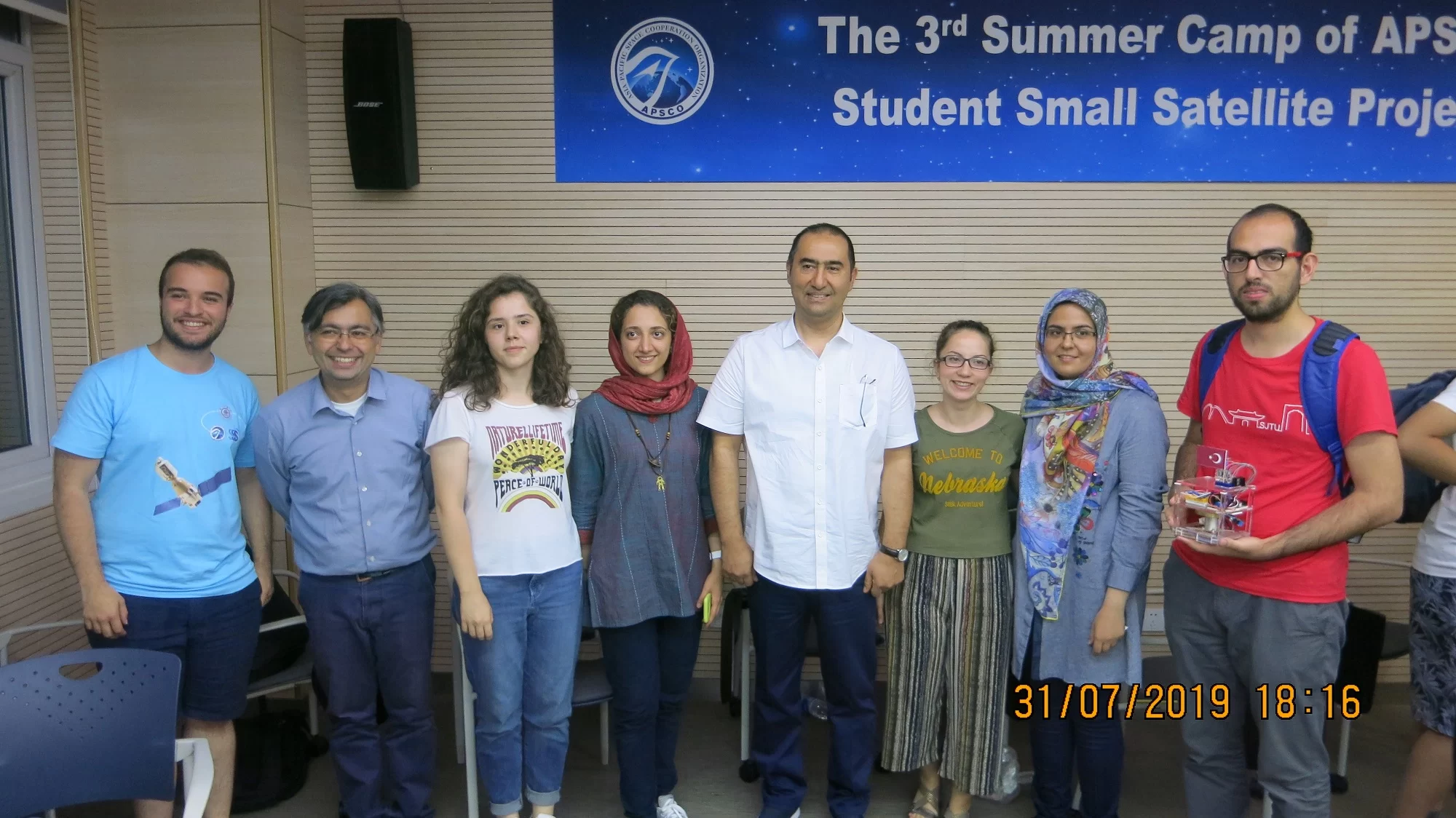
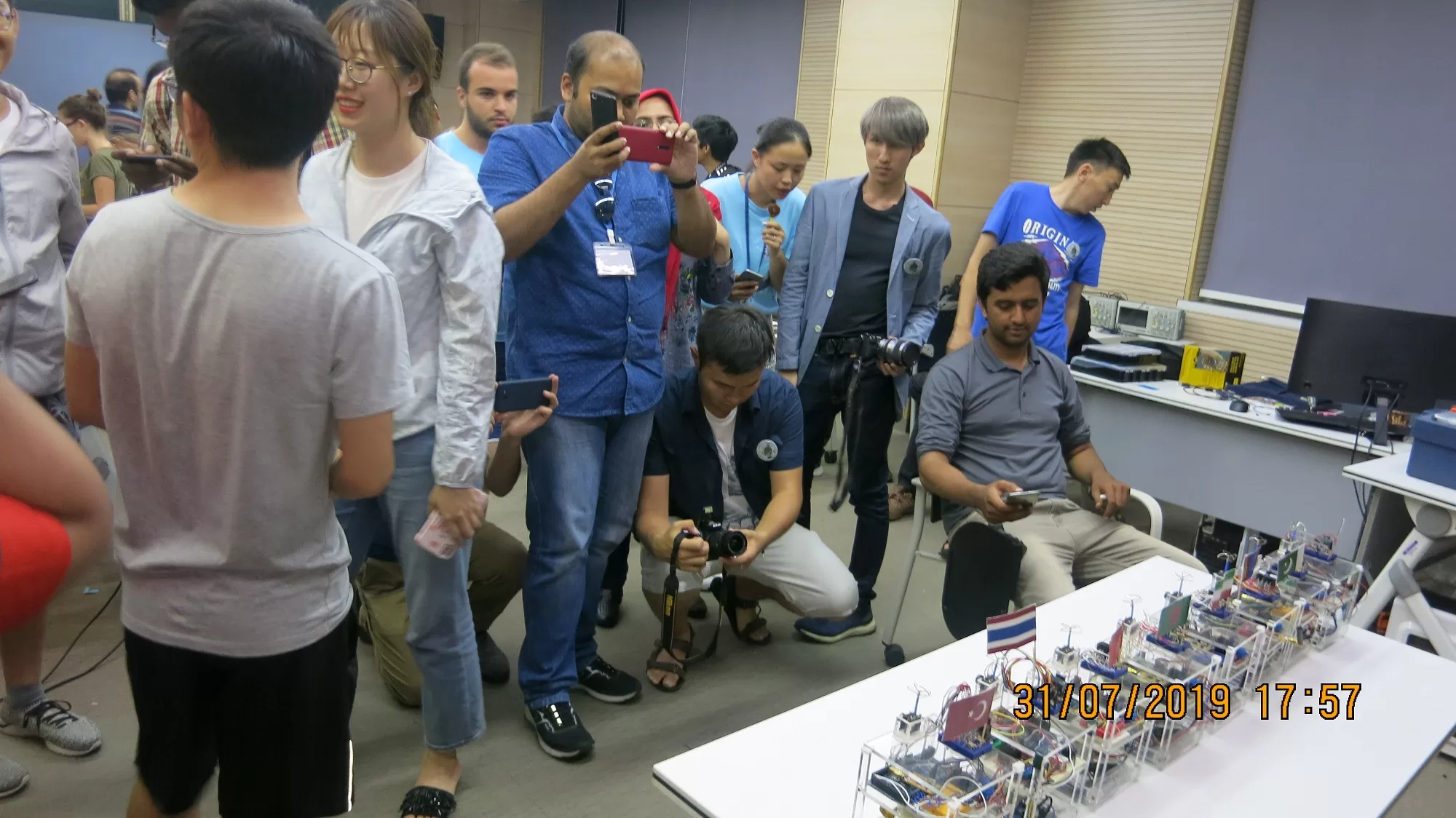
All participants were divided into 8 groups by country. Participants not only worked with the model of the ADCS subsystem, but also learned how to implement a developed software in the hardware, how to connect the model to the computer, and how to create a link with a model of the ground station. Most importantly, through the hands-on training, they learned how to detect the direction of a light source using a hand-made light detector and control the orientation of the CubeSat using a reaction wheel to point the camera to the screen. Finally, participants successfully took a picture of their countries shown on the screen among other countries using image processing software. The goal of this ADCS hands-on training exactly aligned with the mission tasks of the APSCO SSS Project. Under guidance of the team leaders, all teams have worked very hard until late night and made a great effort during these three days.
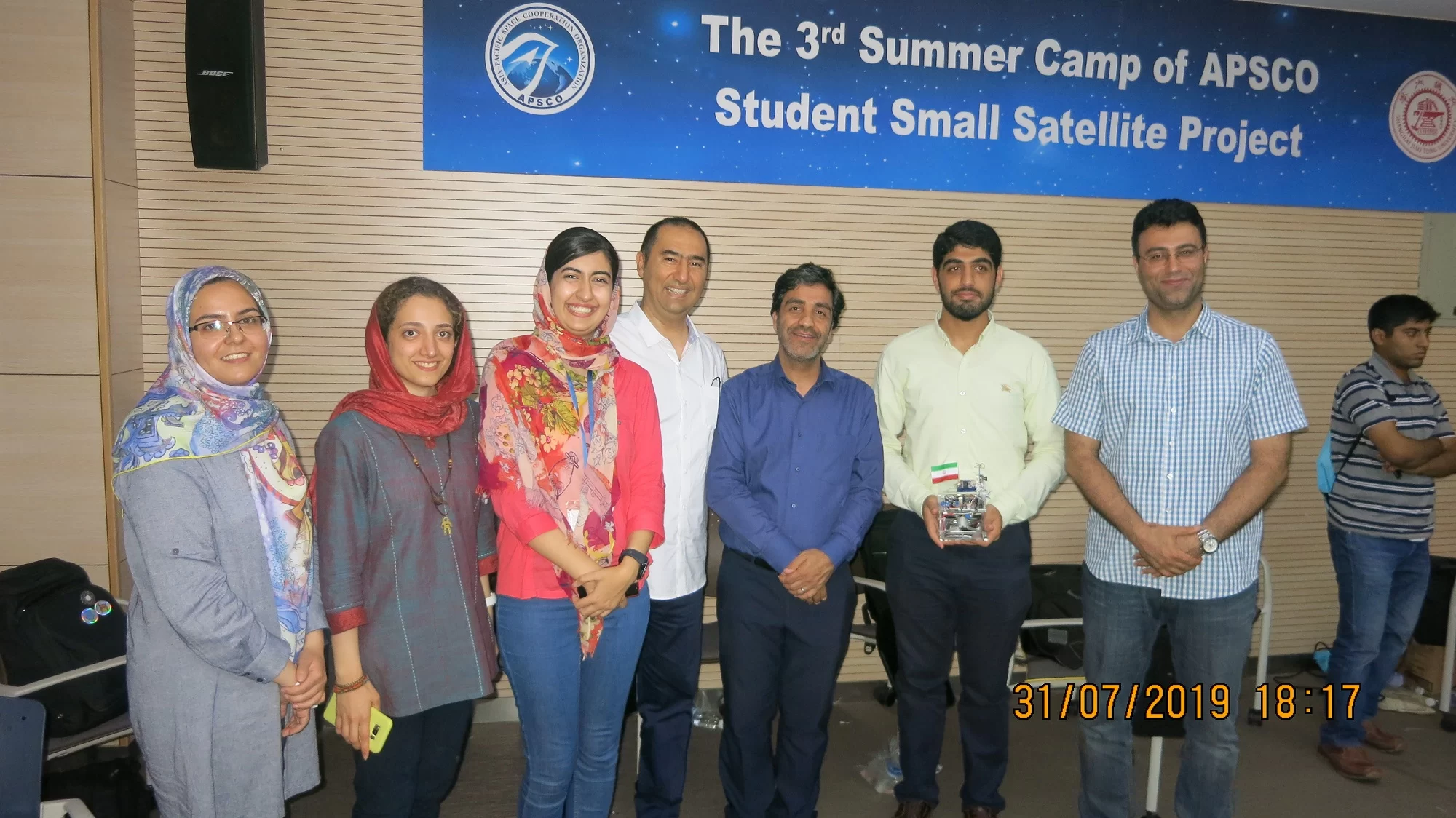
An amazing reward session was organized at Wednesday night, in which the Bangladesh team was selected to win the first prize by all team leaders from the MSs based on the training performance.
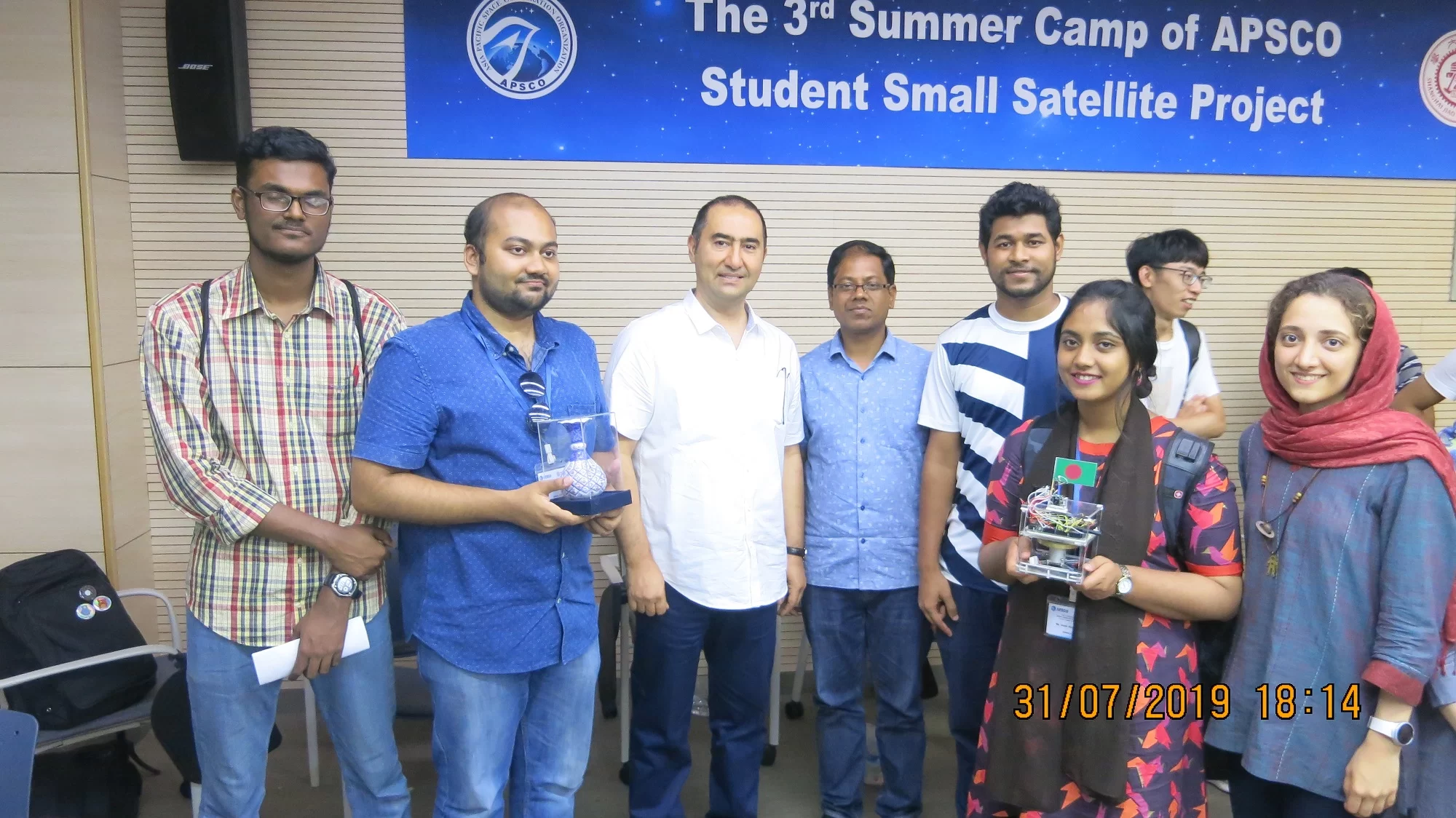
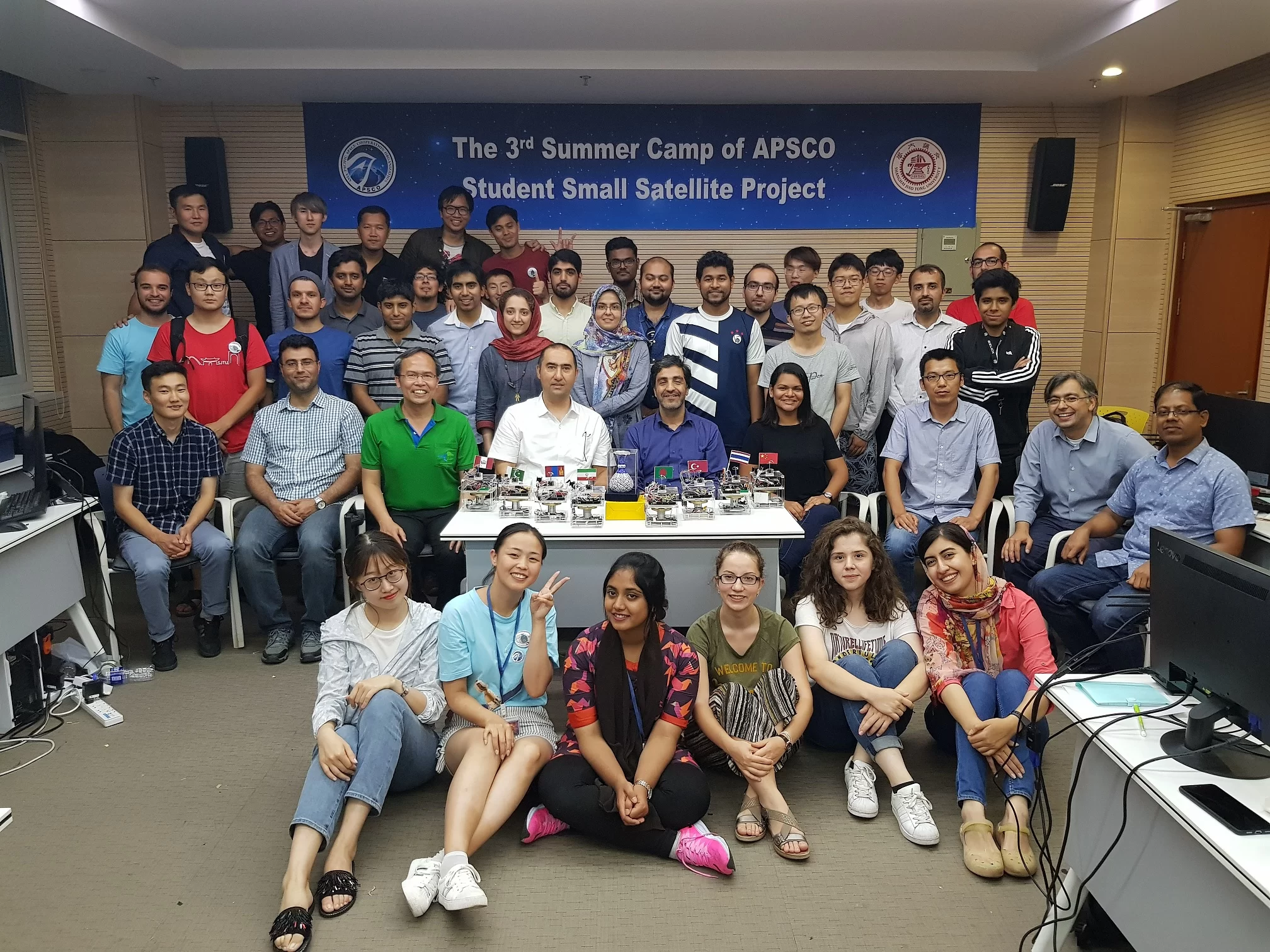
More info on APSCO site

More info on APSCO site







Read More
More info on APSCO site
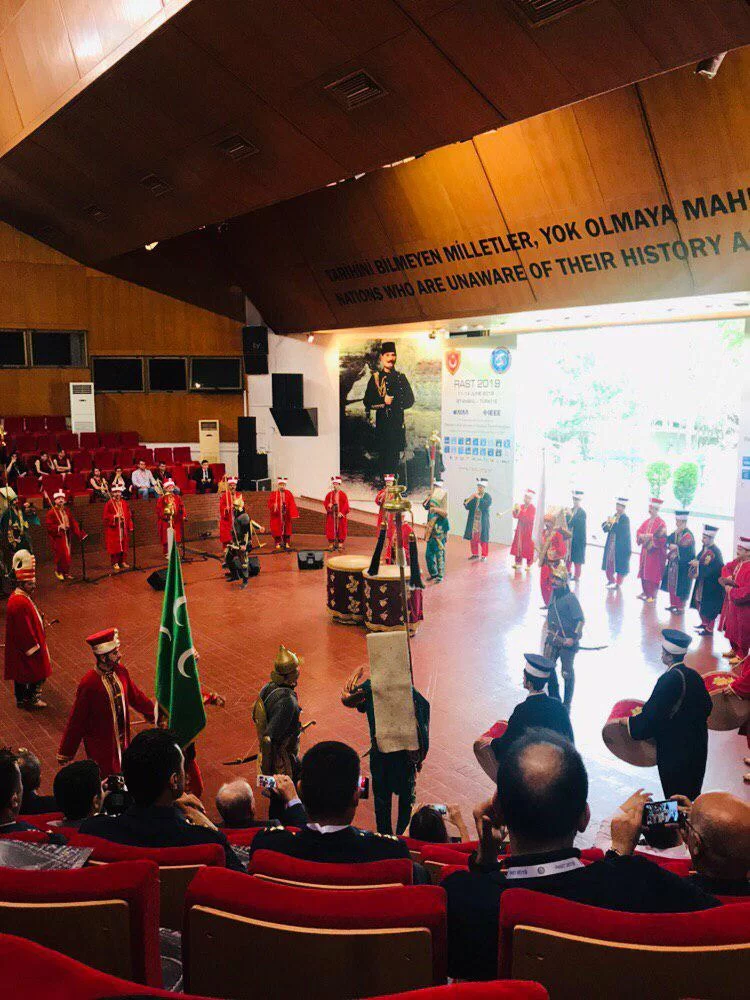
The 9th International Recent Advances in Space Technologies (RAST) 2019 conference was held in Istanbul 11-14 June, and Mr. Parsa Abbasrezaei present his paper 13th June which was about “Conceptual GEO Telecommunication All-electric Design Base on Statistical Model.”



School space lab team and The IAU Einstein Schools team from SRL Participated in the Astronomy Day in Mahani Observatory at Shahid Mahdavi Educational Complex.
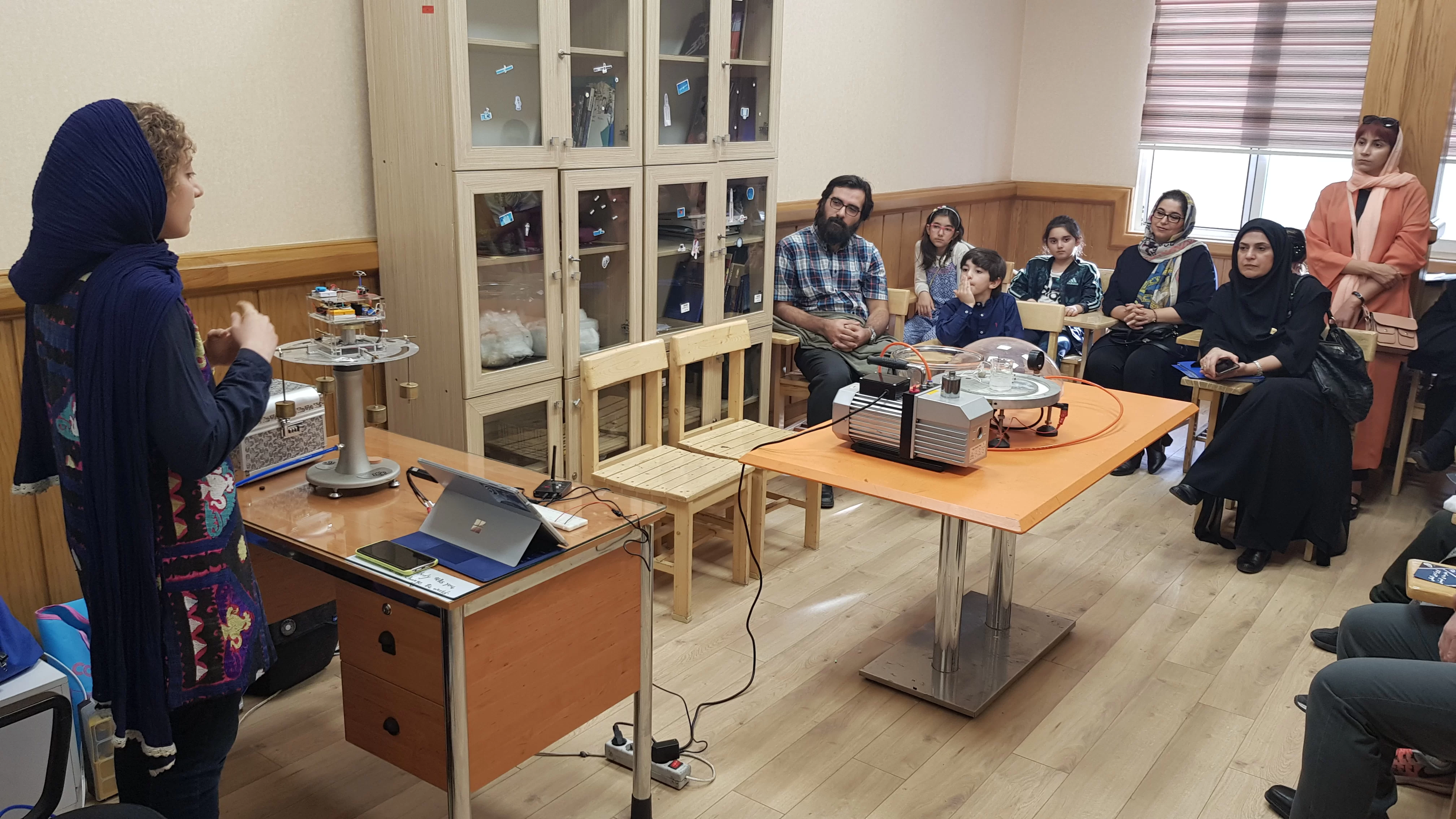
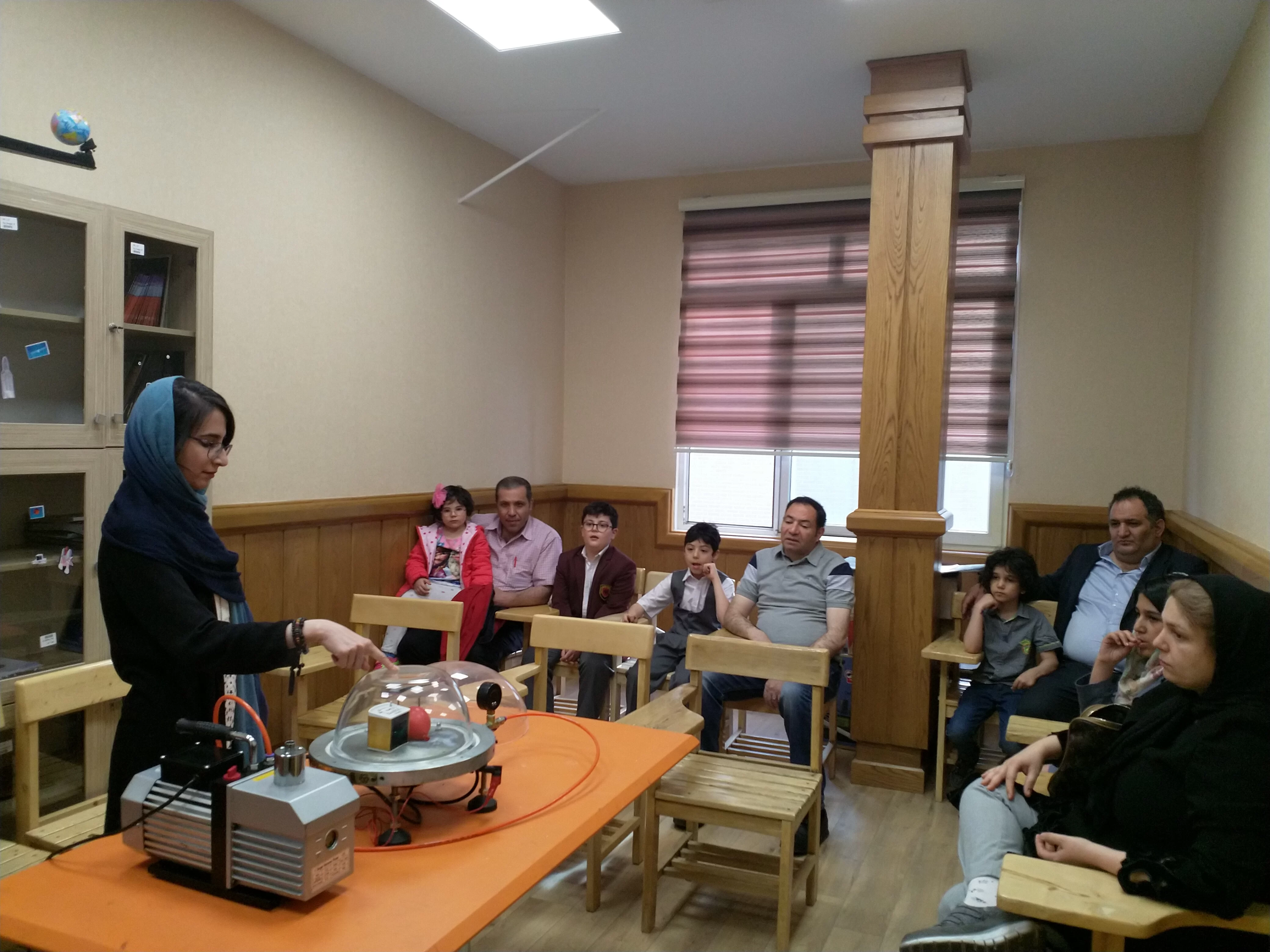
The vacuum simulator and the cubesat ADCS simulator were exhibited for the general public





A group of students from the Space Research Laboratory gathered at the Space Research Laboratory on Sunday May 15th to congratulate Professor Dr. Mehran Mirshams.
The use of scientific abilities of graduates and students in the field of aerospace
The use of practical experiments and training aids

School Vacuum Simulator
This simulator is composed of a vacuum chamber, a motor suckers and some valves. Five different experiment recipes have been developed for this device; using such experiments, the concepts of vacuum and the quality of its effect on the physical phenomena may be taught to students. The lack of pressure and a material environment, the quality of sound and light transfer in vacuum, and transfer of electric current in vacuum are of such cases .
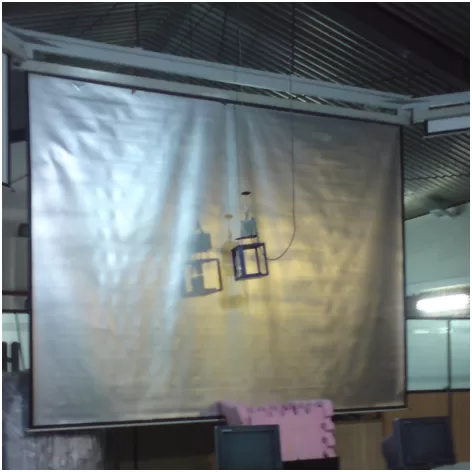
Weightlessness Simulator
This simulator is composed of a launching pad, imaging rack, and electromagnets. Using this simulator and its four designed experiments, the concept of the weightlessness conditions are simulated for the students.
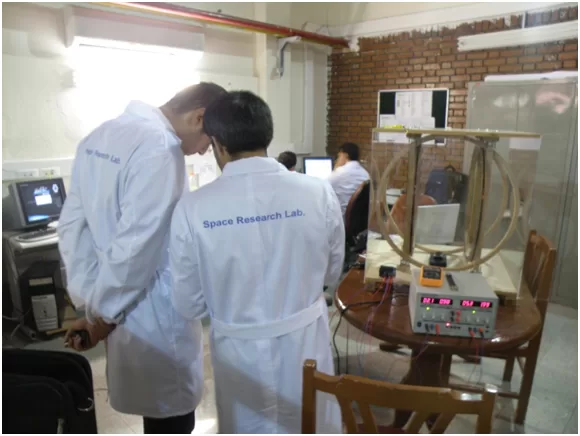
Magnetic Field Simulator
This simulator is used to simulate a magnetic field; by which the usage of the magnetic field in the control subsystem of the satellite situation, as well as the nature of Earth’s magnetic field is explained for the students .
In this experiment, a maquette of a space satellite is located within the simulator’s magnetic field space to be influenced by the simulated field so that the students can observe how the satellite operate in the real conditions of space, then the necessary concepts are explained by the teachers and transferred to the students.
the Laboratory transfers the basic concepts in the field of satellite, the space carrier and the space environment to the students. For this purpose, the SRL also employs all its facilities including a maquette of satellite, a maquette of lunch vehicle motor and a 3-D movie play system.
SRL benefits from training aids aiming at the better transfer of the aerospace concepts to the students. Observing the procedures of the experiment closely and even by reviewing the experiment’s recorded film; the students may communicate with the process of the experiment and obtain the necessary knowledge. A part of designed and built training aid devices in laboratory of space research are: 1) School Vacuum Simulator: This simulator is composed of a vacuum chamber, a motor suckers and some valves. Five different experiment recipes have been developed for this device; using such experiments, the concepts of vacuum and the quality of its effect on the physical phenomena may be taught to students. The lack of pressure and a material environment, the quality of sound and light transfer in vacuum, and transfer of electric current in vacuum are of such cases .